

Inside the Cartiva Lawsuits – What Lawyers Are Discovering About Device Failures
What the Cartiva Lawsuits Are Revealing About Device Failures
The wave of lawsuits filed over the Cartiva Synthetic Cartilage Implant is doing more than seeking compensation for injured patients-it’s exposing what really went wrong behind the scenes. As law firms dig into company documents, surgeon reports, and regulatory filings, a troubling picture is emerging.
Thousands of patients believed they were receiving a breakthrough treatment for arthritis in the big toe joint. Instead, many ended up with failed implants, painful revision surgeries, and permanent mobility loss. Now, legal teams across the country are piecing together how this could have happened-and why it took nearly a decade for the truth to come to light. For the full background on how this story began, see our Cartiva Implant Lawsuit Overview.
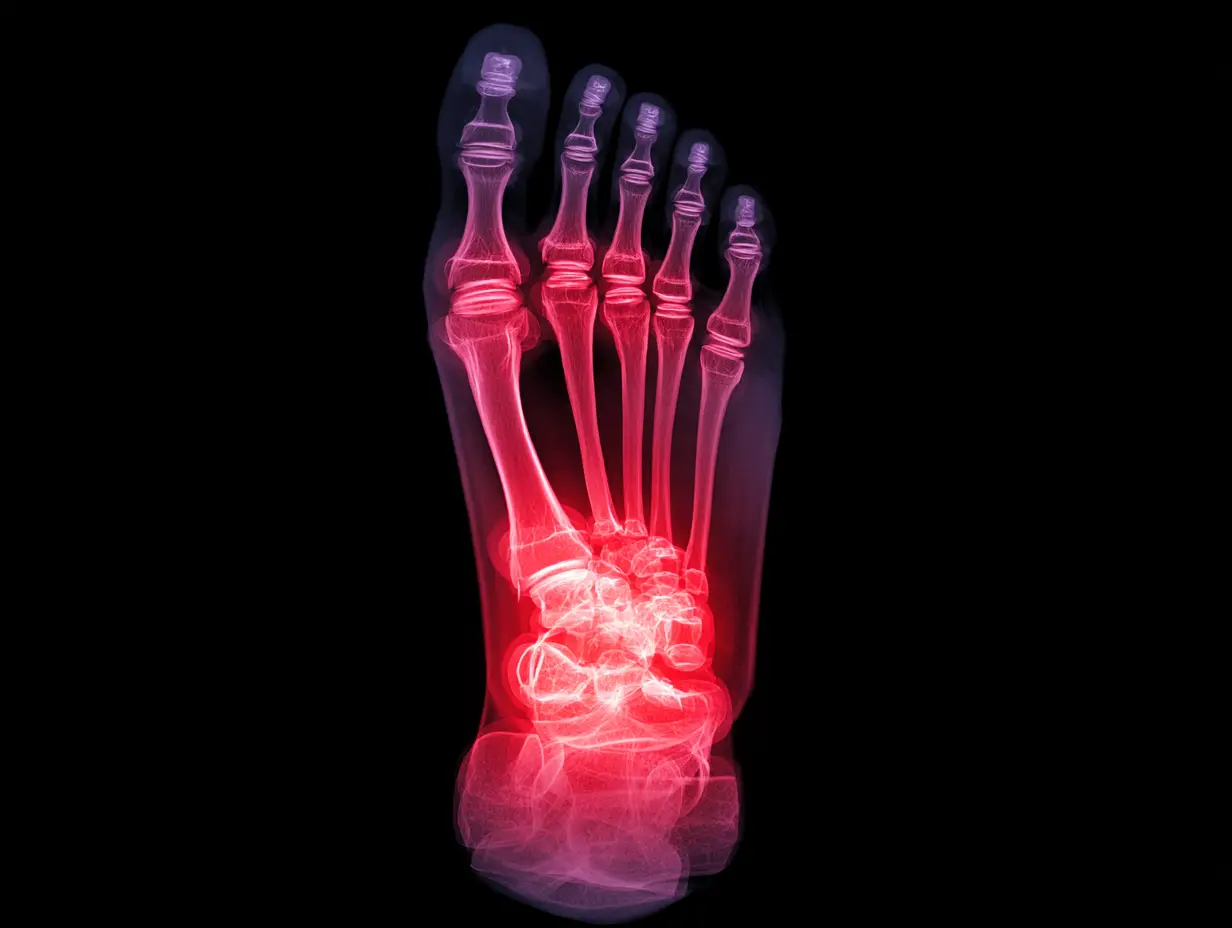
A Look Inside the Legal Investigations
Since the nationwide recall in October 2024, lawyers representing Cartiva patients have gained access to a growing body of internal records and expert analyses. These materials are helping reveal how early warning signs of failure were downplayed or ignored. Preliminary findings suggest that Stryker and its subsidiary Cartiva, Inc. may have known about high failure rates years before pulling the product off the market.
According to court filings, complaints from surgeons began as early as 2018-just two years after FDA clearance. The device, made of polyvinyl alcohol hydrogel, was shrinking and sinking into bone at alarming rates. Surgeons reported that patients were returning with pain, stiffness, and swelling, often requiring removal of the implant and fusion surgery. These same complications are described in detail in How to Tell If Your Cartiva Implant Is Failing.
Yet the company’s marketing continued to claim “high success rates” and “durable outcomes.” Only in 2024, after thousands of patient injuries and mounting data, did Stryker announce a voluntary recall citing “performance concerns.” By then, the damage was widespread.
Internal Data Suggests the Company Knew More Than It Admitted
Attorneys leading the litigation have uncovered internal testing data that paints a different story than the company’s public claims. In depositions and discovery requests, lawyers allege that Stryker was aware of serious performance issues long before the recall but continued to sell the device to hospitals and surgeons.
Documents produced in the litigation reportedly show that engineers raised concerns about the hydrogel’s tendency to dehydrate and deform over time, particularly in load-bearing joints. Despite these warnings, Stryker continued to market the device aggressively as a “long-term cartilage replacement.” These revelations echo the themes covered in From Innovation to Injury – The Rise and Fall of the Cartiva Toe Implant.
Surgeon Complaints and Adverse Event Reports
Another major area of discovery involves the FDA’s MAUDE database, which tracks adverse events and complications from medical devices. Lawyers have identified hundreds of reports involving the Cartiva implant dating back years before the recall. Many describe recurring patterns: implant migration, bone erosion, cyst formation, and severe pain requiring revision surgery.
In some cases, surgeons directly contacted the manufacturer to raise concerns about repeat failures. Internal memos obtained in the lawsuits allegedly show that these complaints were acknowledged but not shared publicly or with the wider medical community. This lack of transparency is now a key issue in the ongoing litigation, as detailed in our Cartiva Recall Analysis.
Common Legal Allegations Against Stryker and Cartiva
The lawsuits against Stryker share several recurring claims, including:
- Defective design: The implant’s hydrogel material was unstable and prone to shrinkage, migration, and failure.
- Failure to warn: The company did not adequately inform surgeons or patients about the risks or high failure rates.
- Negligent misrepresentation: Marketing materials overstated success rates and durability.
- Breach of warranty: The device did not perform as promised under normal use conditions.
- Negligent testing: Pre-market and post-market studies were insufficient to identify real-world performance issues.
Many complaints also include claims for punitive damages, arguing that Stryker acted with reckless disregard for patient safety by continuing to sell a product known to cause harm.
What Discovery Is Expected to Reveal Next
As more documents are released through discovery, attorneys expect to learn even more about how the device was marketed and monitored. Areas of focus include:
- Internal emails between Stryker executives and Cartiva engineers discussing failure data
- Minutes from corporate safety review meetings
- Post-market surveillance reports submitted-or not submitted-to the FDA
- Financial analyses showing profits from continued sales despite complaints
These materials may help establish a timeline showing when the company first learned of widespread problems and what actions it took (or failed to take) in response.
Why the 2024 Recall Matters in Court
The October 2024 recall is a turning point in the litigation. It serves as official acknowledgment that the product had “performance concerns,” giving plaintiffs a strong foundation to argue that the device was defective. Courts often view recalls as powerful evidence of a company’s awareness of product risk, even if issued years after release.
In similar medical device cases, recalls have played a central role in achieving large settlements. Attorneys expect the Cartiva litigation to follow a similar path, especially as the number of lawsuits continues to rise nationwide. You can learn more about filing deadlines and eligibility in Is It Too Late to File a Cartiva Lawsuit?.
What Patients Should Know
If you received a Cartiva implant and have experienced pain, swelling, stiffness, or required a revision surgery, you may qualify to join the growing number of patients pursuing claims. These lawsuits not only seek financial compensation but also aim to hold Stryker accountable for the harm caused by its product.
Each case is unique, and deadlines to file vary by state, so it’s critical to act quickly. An attorney can review your medical records, confirm your implant details, and ensure your claim is filed within the statute of limitations. For details on what symptoms may indicate failure, see Cartiva Implant Failure Symptoms.
The Bigger Picture: Accountability and Change
Beyond the courtroom, the Cartiva lawsuits are about restoring trust in medical innovation. Patients deserve to know that the devices placed in their bodies are safe and thoroughly tested. When companies prioritize profits over safety, the legal system becomes a vital tool for accountability and reform.
As the evidence continues to mount, one thing is becoming clear: the failures of the Cartiva implant were not random. They were the result of systemic problems in design, testing, and transparency-and those responsible must be held accountable.
Injured by a Failed Cartiva Implant? Call Alonso Krangle, LLP Today
If your Cartiva Synthetic Cartilage Implant failed or you’re experiencing pain, swelling, or stiffness after surgery, Alonso Krangle, LLP can help. Our attorneys represent patients nationwide in claims against Stryker and Cartiva, holding them accountable for defective medical devices that cause lasting harm.
Call 800-403-6191 or contact Alonso Krangle, LLP online for a free, no-obligation consultation. There are no upfront fees, and you pay nothing unless we win your case.
Liability Law
Speak with An Attorney
Submit This Form or Call 800-403-6191