

Nursing Home Abuse in New York: Legal Rights & Help
Nursing Home Abuse: A Hidden Crisis in New York
Nursing home abuse is a silent epidemic affecting thousands of vulnerable seniors across New York State. Despite stringent regulations and oversight, cases of mistreatment continue to occur at alarming rates, often hidden behind closed doors and hushed voices.
In New York alone, over 100,000 residents call nursing homes their residence. While many facilities provide excellent care, reports of abuse and neglect surface with disturbing frequency. The New York State Department of Health receives thousands of complaints annually, ranging from minor infractions to severe cases of abuse that shock the conscience.
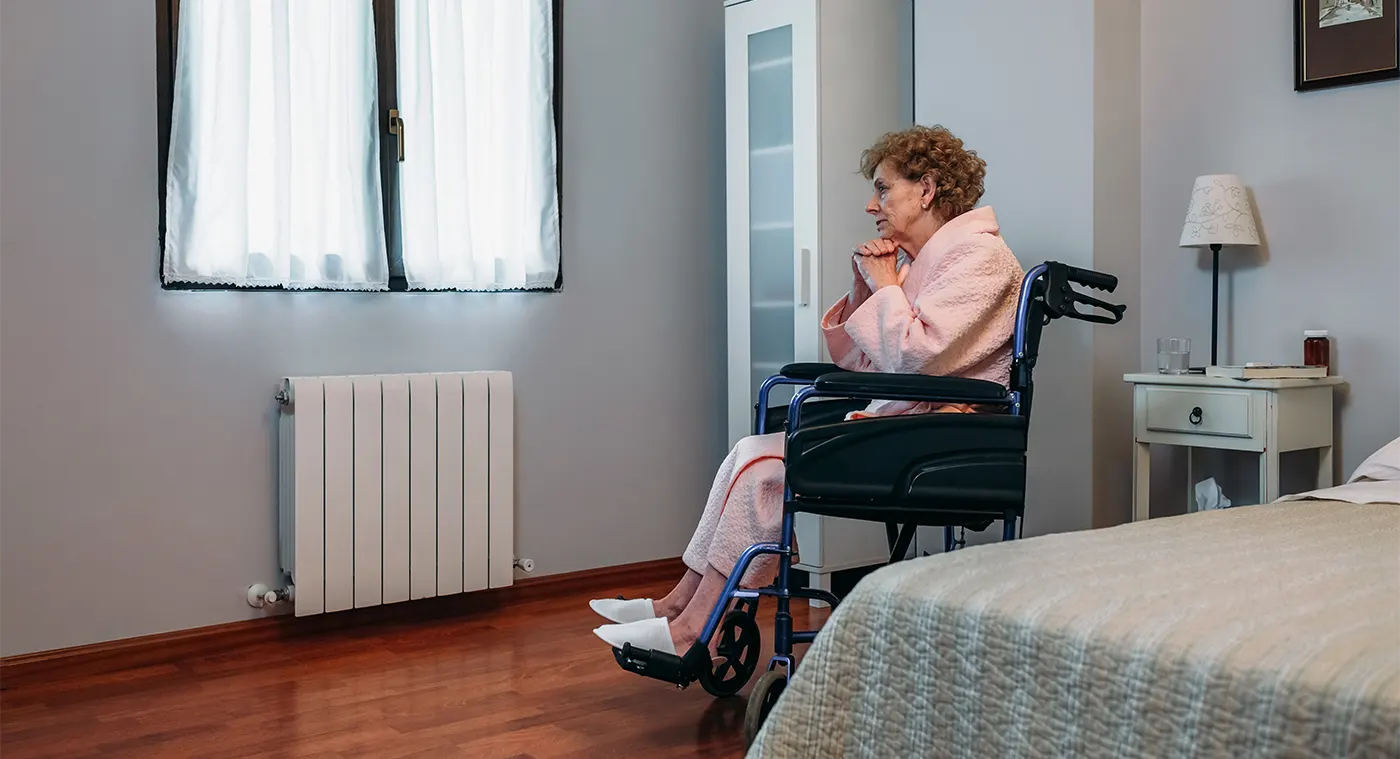
Understanding the scope of this problem is crucial for families entrusting their loved ones to these facilities. Recognizing the signs of abuse, knowing your legal rights, and taking swift action can make the difference between a dignified elder care experience and a nightmare of neglect and mistreatment.
Types of Nursing Home Abuse: A Multifaceted Threat
Nursing home abuse manifests in various forms, each with its own set of warning signs and devastating consequences. Recognizing these different types is the first step in protecting our elderly loved ones from harm.
The most commonly recognized forms of abuse include physical, emotional, sexual, and financial exploitation. However, neglect – the failure to provide necessary care and services – is equally damaging and alarmingly prevalent.
Each type of abuse requires a unique approach to identification and intervention. Understanding these distinctions is crucial for family members, caregivers, and legal professionals working to safeguard the rights and well-being of nursing home residents.
Physical Abuse: Beyond Visible Bruises
Physical abuse in nursing homes encompasses any non-accidental use of force that results in bodily injury, pain, or impairment. Abuse can include hitting, slapping, pushing, or improperly restraining residents. The consequences of such abuse extend far beyond visible bruises, often leading to long-term physical and psychological trauma.
In New York, physical abuse of nursing home residents is not only unethical but also criminal. The state’s Penal Law § 260.25 specifically addresses endangering the welfare of an incompetent or physically disabled person, underscoring the seriousness with which such actions are viewed.
Identifying physical abuse requires vigilance and attention to subtle signs. Unexplained injuries, sudden changes in behavior, or fear of certain staff members can all be red flags that warrant further investigation.
Emotional and Psychological Abuse: The Invisible Wounds
Emotional abuse in nursing homes involves inflicting mental pain, anguish, or distress through verbal or nonverbal acts. Emotional abuse can include humiliation, intimidation, isolation, or ignoring the resident. While it may not leave physical marks, the psychological impact can be equally, if not more, devastating.
The New York State Office for the Aging recognizes emotional abuse as a serious form of mistreatment. Its effects can be long-lasting, leading to depression, anxiety, and a diminished quality of life for victims.
Detecting emotional abuse requires close observation of behavioral changes. Withdrawal from social activities, sudden mood swings, or uncharacteristic agitation may indicate underlying emotional trauma.
Sexual Abuse: Breaking the Silence
Sexual abuse in nursing homes is a particularly heinous form of mistreatment, often underreported due to shame, fear, or cognitive impairments of victims. It includes any non-consensual sexual contact, ranging from unwanted touching to rape.
New York Public Health Law § 2803-d mandates reporting of such incidents, recognizing the vulnerability of nursing home residents to sexual exploitation. However, the sensitive nature of these crimes often leads to underreporting and inadequate investigation.
Signs of sexual abuse may include unexplained sexually transmitted infections, bruising around the genitals or breasts, or sudden changes in behavior, particularly around certain staff members. Prompt reporting and thorough investigation are crucial in these cases.
Financial Exploitation: Preying on the Vulnerable
Financial abuse involves the illegal or improper use of a resident’s resources for someone else’s benefit. This can range from theft of personal items to complex schemes involving manipulation of financial documents or coercion to change wills.
The New York State Office of Children and Family Services provides resources and reporting mechanisms for suspected financial exploitation of vulnerable adults. However, the complexity of these cases often requires specialized legal intervention.
Warning signs of financial abuse may include unexplained withdrawals from bank accounts, missing personal belongings, or sudden changes in financial arrangements. Maintaining detailed financial records and monitoring transactions is key to preventing and detecting such exploitation.
Neglect: The Silent Killer
Neglect occurs when a nursing home fails to provide necessary care, services, or supervision to ensure a resident’s well-being. Such nelect can lead to serious health consequences, including malnutrition, dehydration, untreated medical conditions, and preventable accidents.
New York Public Health Law § 2803-c outlines the rights of nursing home residents, including the right to appropriate and sufficient medical care. Facilities that fail to meet these standards can be held legally accountable for neglect.
Signs of neglect may be subtle but cumulative. Poor personal hygiene, unattended medical needs, or unsafe living conditions are all potential indicators that require immediate attention and intervention.
Recognizing the Red Flags: Signs of Abuse and Neglect
Early detection of abuse or neglect is crucial for protecting vulnerable nursing home residents. Families and caregivers must remain vigilant for signs that may indicate mistreatment. These signs can be physical, behavioral, or financial.
Physical indicators may include unexplained bruises, welts, or fractures. Sudden weight loss, bedsores, or poor hygiene can signal neglect. Behavioral changes such as withdrawal, depression, or sudden fearfulness around certain staff members may indicate emotional or physical abuse.
Financial red flags include unexplained withdrawals from bank accounts, missing personal belongings, or sudden changes in financial documents. Trusting your instincts is important – if something feels wrong, it’s worth investigating further.
Legal Framework: Rights and Protections in New York
New York has established a robust legal framework to protect nursing home residents, encompassing state and federal laws. These regulations set standards for care, outline residents’ rights, and provide mechanisms for reporting and addressing abuse and neglect.
At the federal level, the Nursing Home Reform Act of 1987 sets national standards for nursing home care. This includes the right to be free from abuse, neglect, and exploitation, as well as the right to privacy, dignity, and self-determination.
New York State has enacted additional protections, including the Nursing Home Residents’ Bill of Rights and specific statutes allowing residents to sue for deprivation of rights. Understanding these legal protections is crucial for advocating effectively for nursing home residents.
Reporting Abuse and Neglect: Taking Action
If you suspect abuse or neglect in a New York nursing home, it’s crucial to report it promptly. The state provides several avenues for reporting, including a dedicated hotline operated by the Department of Health. Reports can be made anonymously, and the law protects whistleblowers from retaliation.
In cases of immediate danger, calling 911 or local law enforcement is appropriate. Contacting the Long-Term Care Ombudsman Program can provide advocacy and support for less urgent situations. Documentation of suspected abuse, including dates, times, and specific incidents, can be invaluable in any subsequent investigation.
Remember, reporting suspected abuse is not just a moral obligation – in many cases, it’s a legal requirement. Prompt reporting can prevent further harm and ensure appropriate interventions are implemented.
Legal Recourse and Remedies
Victims of nursing home abuse and their families have several legal options under New York law. These range from civil lawsuits seeking compensation for damages to regulatory actions against non-compliant facilities. In severe cases, criminal prosecution may be pursued against individual perpetrators or the facility.
Civil lawsuits can seek compensation for medical expenses, pain and suffering, and other damages resulting from abuse or neglect. New York’s statute of limitations for personal injury cases is generally three years. Still, consulting with an attorney is crucial to ensure all deadlines are met.
The New York State Department of Health can impose fines, require corrective actions, or even revoke facility licenses based on substantiated complaints. Working with an experienced attorney can help navigate these complex legal and regulatory processes.
Prevention Strategies: Safeguarding Your Loved Ones
While legal protections are crucial, prevention remains the best defense against nursing home abuse and neglect. Families can take proactive steps to safeguard their loved ones, starting with thorough research before choosing a facility. This includes reviewing inspection reports, complaint histories, and staff-to-resident ratios.
Regular visits, at varying times of day, can provide valuable insights into the care being provided. Staying actively involved in care planning and decision-making processes helps ensure your loved one’s needs are met. Building relationships with staff members and other residents’ families can create a support network and increase oversight.
Education is also key. Understanding residents’ rights, facility policies, and the signs of abuse empower families to advocate effectively for their loved ones. Some families consider installing cameras in resident rooms, which is permitted in New York with proper consent and compliance with state laws.
How Alonso Krangle, LLP Can Help
At Alonso Krangle, LLP, we are dedicated to protecting the rights and well-being of nursing home residents in New York. Our experienced attorneys understand the complexities of elder law and the devastating impact of abuse and neglect on victims and their families.
We offer comprehensive legal services, from investigating allegations of abuse to representing clients in civil lawsuits and regulatory proceedings. Our team works tirelessly to gather evidence, navigate the legal system, and seek maximum victim compensation.
If you suspect your loved one has been a victim of nursing home abuse or neglect, don’t hesitate to reach out. Contact Alonso Krangle, LLP at 800-403-6191 for a confidential consultation. We listen, advise, and advocate for your family’s rights and dignity.
Speak with An Attorney
Submit This Form or Call 800-403-6191