

How Nursing Home Staff Can Prevent Abuse: Legal Duties and Responsibilities
Understanding the Responsibility of Nursing Home Staff
Nursing home staff in New York hold a profound legal and ethical duty to safeguard the health, safety, and dignity of their residents. This responsibility goes beyond mere day-to-day care; it encompasses a commitment to creating a nurturing environment where the elderly can live with the respect and security they deserve. Ensuring that residents are free from abuse, neglect, or any form of mistreatment is not just an expectation—it’s a legal obligation. When families entrust their loved ones to a nursing home, they have every right to expect that these duties will be upheld with the utmost diligence.
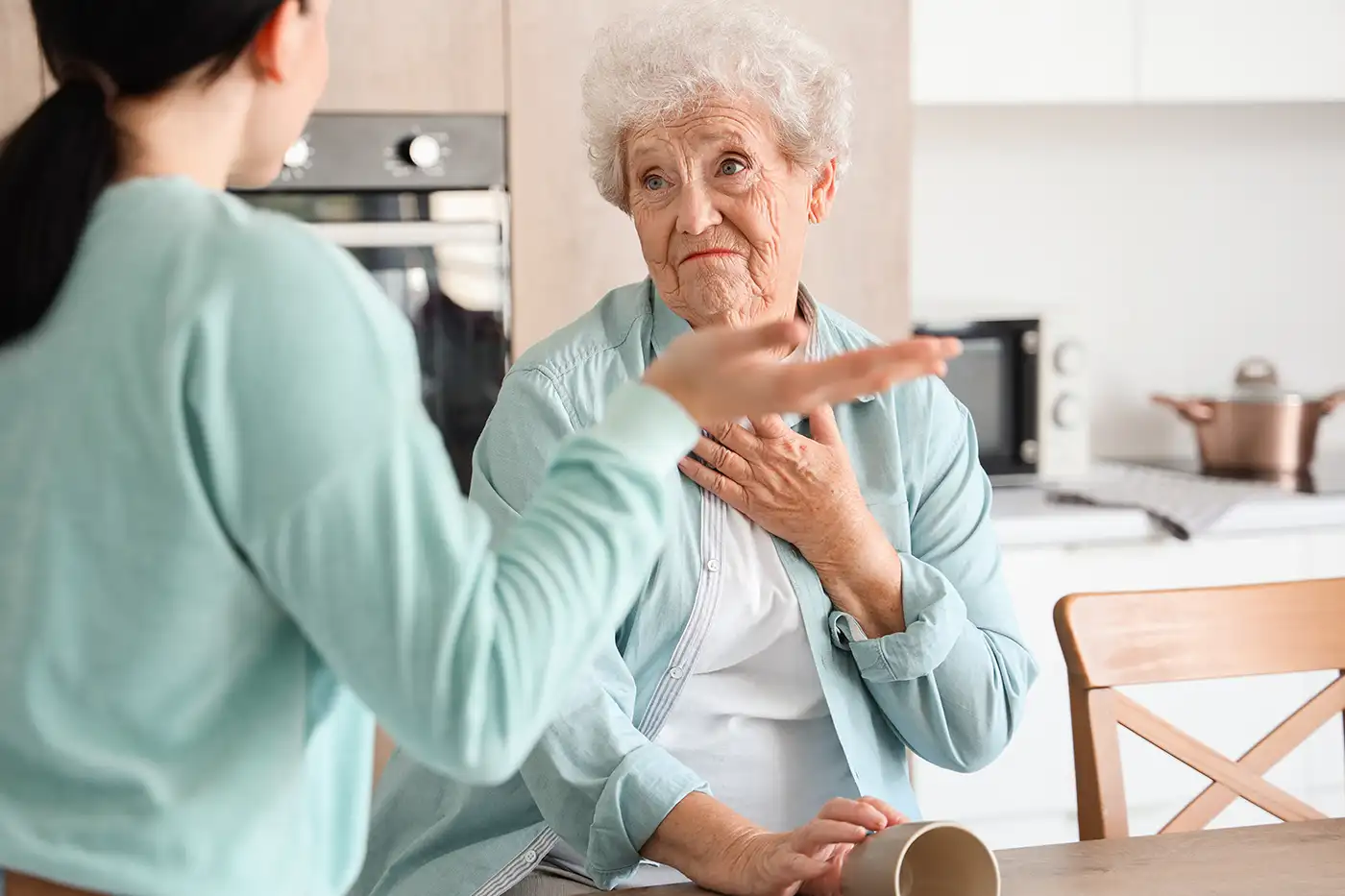
Proper training for nursing home staff is fundamental in fulfilling these responsibilities. Staff must be educated not only in the basic care requirements of the elderly but also in the more nuanced aspects of recognizing and addressing signs of abuse and neglect. The landscape of elder care is continually evolving, with new insights and best practices emerging regularly. Therefore, ongoing training is not a luxury—it is an absolute necessity. It ensures that all staff members, from the newest hire to the most experienced caregiver, are equipped to identify potential issues before they escalate into harm.
Vigilance and a proactive approach are critical in protecting the well-being of nursing home residents. This means that staff must consistently monitor residents, looking out for both physical and emotional signs of distress. Proactivity involves not just responding to problems as they arise, but anticipating and preventing them through careful observation and timely intervention. The well-being of each resident is a shared responsibility that requires continuous attention, compassion, and a commitment to uphold the highest standards of care. By doing so, nursing homes fulfill their promise to provide a safe and supportive environment for some of our most vulnerable citizens.
Identifying and Reporting Signs of Abuse
Recognizing the signs of abuse is one of the most essential responsibilities of nursing home staff. Abuse can take many forms, such as:
- Physical Abuse – manifests as unexplained bruises, cuts, or other injuries.
- Emotional Abuse – could be indicated by sudden changes in behavior, such as withdrawal or fearfulness around certain staff members.
- Financial Abuse – often involves suspicious transactions or missing personal belongings.
When staff identify potential abuse, they must follow established reporting protocols. In New York, nursing home staff are legally required to report any suspected abuse immediately. This reporting process typically involves notifying a supervisor and documenting the incident. New York law also requires nursing homes to have clear procedures for handling reports of abuse, ensuring that all allegations are investigated thoroughly and promptly.
Failure to report suspected abuse can have severe consequences for both the resident and the staff involved. By promptly identifying and reporting abuse, nursing home staff play a crucial role in protecting residents and upholding their legal rights. Ensuring all staff members understand and adhere to these reporting requirements is essential for preventing further harm and holding abusers accountable.
The Role of Staff in Creating a Safe Environment
Creating a safe environment within a nursing home is a collective effort that involves every staff member. Proper supervision is critical to preventing abuse, particularly in facilities where residents may be vulnerable due to physical or cognitive impairments. Nursing homes must maintain adequate staffing levels to ensure that residents are monitored consistently and staff are not overwhelmed by their duties. Understaffing can lead to neglect and increase the risk of abuse going unnoticed.
In addition to supervision, nursing homes must develop and implement comprehensive policies that prioritize resident safety. These policies should address everything from staff conduct to emergency procedures, creating a clear framework for preventing and responding to abuse. For instance, staff should adhere to strict protocols for handling residents, administering medication, and managing financial transactions on behalf of residents. By establishing clear guidelines, nursing homes can reduce the likelihood of abuse and ensure that staff know how to act in the best interests of residents.
Staff Accountability and Legal Consequences
Accountability is a critical aspect of preventing abuse in nursing homes. New York law holds nursing home staff legally responsible for their actions, including any involvement in or failure to prevent abuse. Staff members who engage in abusive behavior, whether through physical harm, neglect, or financial exploitation, can face severe legal consequences. These may include criminal charges, civil lawsuits, and professional disciplinary actions.
In addition to direct perpetrators, staff who fail to report known or suspected abuse can also be held accountable. The law mandates that all nursing home employees report any signs of abuse to their supervisors or the appropriate authorities. Ignoring or covering up abuse not only violates the rights of the resident but also exposes the staff member and the facility to legal liability. Nursing homes can be subject to fines, penalties, and lawsuits if they do not take adequate measures to prevent abuse and protect residents.
For this reason, nursing homes must enforce strict accountability measures among their staff. Regular audits, performance evaluations, and disciplinary actions for non-compliance are necessary to maintain a safe environment. By holding all staff members accountable, nursing homes can ensure that residents receive the care and protection they deserve under the law.
Collaboration with Families and Advocates
Collaboration between nursing home staff, families, and resident advocates is essential for preventing abuse and ensuring the highest standard of care. Open communication is crucial to this collaboration. Families should be informed about their loved one’s condition, care plan, and any changes in their treatment. Nursing home staff should encourage regular family visits and be responsive to family members’ concerns.
Staff, families, and advocates working together reduce the likelihood of abuse. A unified approach to resident care ensures prompt identification and addressing of mistreatment, a vital part of preventing abuse in nursing homes.
Suspect Nursing Home Abuse? Call Alonso Krangle Today
If you suspect that your loved one has been a victim of abuse in a New York nursing home, it is crucial to seek legal help immediately. At Alonso Krangle, LLP, we are dedicated to protecting the rights of nursing home residents and holding negligent staff and facilities accountable. Our experienced attorneys are ready to discuss your case, investigate the circumstances, and pursue justice for your family.
Call 800-403-6191 today to speak with an attorney about your nursing home abuse case. We offer free consultations and can provide you with the legal guidance you need. You can also submit a form online to schedule a consultation. Do not wait – contact us now and let us help you protect your loved one’s rights and secure the compensation they deserve.
Speak with An Attorney
Submit This Form or Call 800-403-6191