

What Happens After a Nursing Home is Fined for Abuse?
What Families Need to Know When a Nursing Home is Fined for Abuse on Long Island
When a nursing home is fined for abuse in Long Island, it signals serious failures that put vulnerable residents at risk. State and federal regulators issue these fines after finding evidence of neglect, mistreatment, or violations of safety protocols. Families often feel angry, confused, and unsure of what these penalties actually mean for their loved one’s care.
In 2024 alone, 15 Long Island facilities were fined a combined $661,210 for a variety of violations. The violations ranged from failure to report sexual abuse allegations to incidents where residents wandered unsupervised or consumed hazardous substances. These cases demonstrate the wide scope of dangers present when nursing homes fail to follow required care standards.
Even though these recent fines were not record-setting amounts, they reflect serious deficiencies that impact resident health and safety. For families, these violations raise difficult questions: Will conditions improve? Is my loved one still at risk? What legal options exist? Understanding the process that follows a fine can help provide answers.
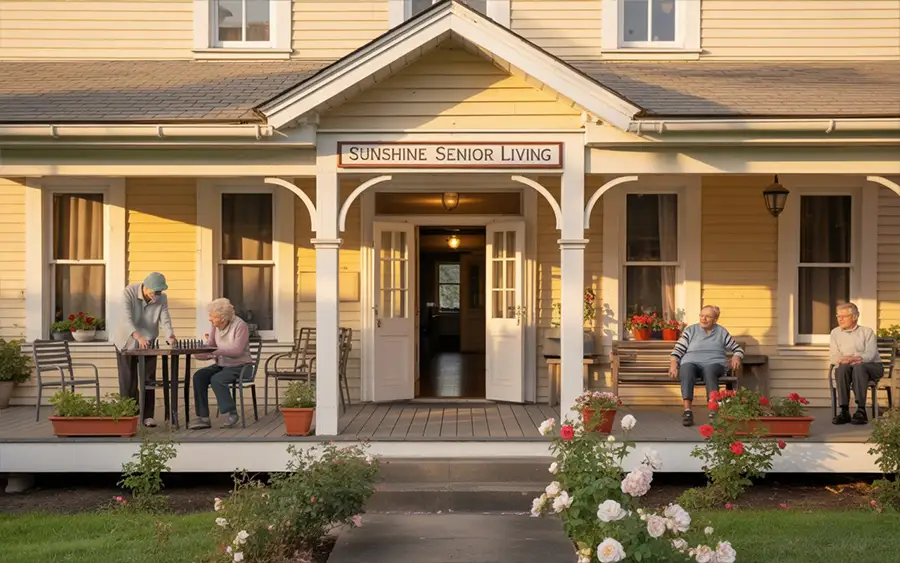
Our firm has worked with many families across Long Island who have faced these heartbreaking situations. When a nursing home receives penalties, it is often just the beginning of a much larger investigative and legal process that may ultimately involve compensation claims, additional government oversight, and long-term monitoring of the facility.
How Nursing Home Abuse Investigations Are Conducted in New York
Before a nursing home is fined for abuse, extensive investigations take place by both the New York State Department of Health (DOH) and the U.S. Centers for Medicare and Medicaid Services (CMS). These agencies rely on routine inspections, complaint reports, and incident investigations to identify violations of care standards.
In many Long Island cases, state inspectors discovered deeply troubling events: a resident at Maria Regina Rehabilitation in Brentwood drank hair dye left unattended, while a resident at Hempstead Park wandered off unsupervised for over 20 hours. In Huntington, a suicidal resident fell from a second-floor window due to a loose screw in the safety mechanism. Each of these incidents led to investigations and eventual fines by state and federal agencies.
During these investigations, inspectors review medical records, interview staff and residents, and analyze security footage when available. Investigators determine whether staff acted appropriately and if facility policies were followed. When facilities fail to report incidents, like in the Medford Multicare Center for Living case, penalties increase significantly.
Both state and CMS investigations are governed by strict timelines and legal standards. Under New York Public Health Law, facilities are obligated to report allegations of abuse immediately. Failure to report can lead to fines, additional investigations, and even criminal referrals in serious cases of neglect or abuse.
What Do These Fines Actually Mean for Nursing Homes?
When a nursing home is fined for abuse, the financial penalties are only part of the consequences. On Long Island, fines are imposed by both state and federal regulators. The New York Department of Health may issue fines up to $10,000 per violation, while CMS fines can be much larger and are not capped.
For example, Medford Multicare Center was fined nearly $140,000 for failing to investigate allegations of sexual misconduct. Cold Spring Hills Center for Nursing & Rehabilitation in Woodbury faced fines totaling almost $118,000 for failing to report physical abuse. These fines signal that serious problems existed within the facility’s care practices and policies.
Beyond the financial cost, facilities may be required to submit corrective action plans, undergo more frequent inspections, and face restrictions on admitting new residents. Repeat violations can lead to license revocations or exclusion from Medicaid and Medicare programs, severely limiting a facility’s ability to operate.
In some instances, such as with Cold Spring Hills, financial instability, legal actions, and repeated regulatory violations have led to changes in ownership or management, placing the future of the facility itself in question.
How Do Nursing Homes Respond After Being Fined?
Once fined, nursing homes are legally required to address the issues identified during the investigation. This often involves submitting a plan of correction detailing the steps they will take to prevent similar incidents in the future.
For example, after the incident at Maria Regina Rehabilitation where a resident drank hair dye, the facility revised its storage policies and disciplined staff. At St. Catherine of Siena Nursing and Rehabilitation Care Center, a CNA was immediately terminated after allegations of abuse, and the facility cooperated with regulators to resolve the matter.
While these actions may address the specific incident, they do not always resolve underlying systemic problems such as chronic understaffing, poor training, or weak supervision-all of which were noted as contributing factors in many Long Island cases.
CMS may also continue monitoring facilities long after fines are issued, ensuring compliance with federal care standards. In some cases, the federal government may place facilities under special focus programs if ongoing deficiencies are identified.
The Role of Staffing Shortages in Nursing Home Abuse Cases
Many of the violations that result in a nursing home being fined for abuse are directly tied to staffing shortages. Insufficient staff means fewer people are available to supervise residents, administer medication correctly, and respond to emergencies.
In Long Island, a November report by the Long Term Care Community Coalition revealed that New York nursing homes ranked among the ten lowest states for nurse staffing levels. Facilities averaged only 3.59 total nursing hours per resident daily-far below what many experts believe is necessary for safe care.
Staffing issues contributed to numerous incidents. At Pine Forest Center in Huntington, a suicidal resident was able to jump from a window due to lax supervision. At Hempstead Park, staff failed to monitor a resident who wandered off for over 20 hours. In both cases, inadequate staffing and poor oversight created dangerous conditions for residents.
New York law now requires nursing homes to provide at least 3.5 hours of direct care per resident daily, with specific minimums for nurse aides and licensed nurses. Facilities that fail to meet these staffing requirements may face additional $2,000 daily fines, adding further financial and operational strain.
Legal Rights of Families When Abuse or Neglect Occurs
When a nursing home is fined for abuse, it is often an indication that residents or their families may have legal claims for damages. The fines themselves do not provide compensation to the victim, but they can serve as powerful evidence in legal actions.
Families may be entitled to pursue claims for:
- Medical expenses related to the abuse or neglect
- Pain and suffering endured by the resident
- Wrongful death damages if neglect contributed to a fatality
- Emotional distress and mental anguish
For example, after a resident at North Shore-LIJ Orzac Center in Valley Stream received incorrect medication doses and later died, the facility faced both fines and potential liability. Similarly, Carillon Nursing and Rehabilitation Center faced fines after a resident was physically struck by a CNA during a bed change dispute.
Families should preserve all records, photographs, and medical reports, and speak with our lawyers who can investigate whether grounds exist for legal action under New York law.
State and Federal Oversight After a Nursing Home is Fined
When a nursing home is fined for abuse, regulatory agencies often increase their oversight. The New York Department of Health may conduct surprise inspections, while CMS may continue financial penalties or place the facility in enhanced monitoring programs.
Repeat offenders may face escalating consequences. CMS data shows that nine of the twelve Long Island nursing homes fined by the state in 2024 were also fined by CMS. Some facilities, like Medford and Cold Spring Hills, have faced multiple investigations over several years.
In severe cases, facilities may face license suspension or revocation if they fail to comply with corrective actions. Cold Spring Hills, for instance, experienced years of financial instability and state legal actions that eventually forced operational changes and new ownership.
Families concerned about a facility’s ongoing compliance can request inspection reports and review CMS public databases, which list all federal citations and fines issued to nursing homes nationwide.
How Our Firm Can Help Families After Nursing Home Abuse in Long Island
When a nursing home is fined for abuse, it’s a clear sign that residents’ rights and safety have been jeopardized. But fines alone do not restore what was taken from the victims or prevent future harm. That’s where legal action becomes crucial.
At Alonso Krangle, LLP, our attorneys understand the pain and frustration families experience after discovering abuse or neglect. We work aggressively to investigate nursing home violations, obtain inspection reports, gather medical evidence, and hold facilities fully accountable under New York law.
New York’s statute of limitations allows a limited period of time to pursue legal action in these cases. Claims involving government-run facilities may also require a Notice of Claim to be filed within 90 days. Our lawyers can guide you through these complex requirements and fight for justice on behalf of your loved one.
If your loved one suffered harm in a Long Island facility, contact Alonso Krangle, LLP or call us at 800-403-6191 to schedule a consultation. You don’t have to face this alone.
Frequently Asked Questions About What Happens After a Nursing Home is Fined for Abuse
What happens immediately after a nursing home is fined for abuse?
The facility must submit a corrective action plan, address the violations, and may face additional inspections and ongoing monitoring from state and federal regulators.
Can families sue a nursing home even if it has already been fined?
Yes. Fines do not prevent civil lawsuits. Families can pursue legal claims for medical costs, pain and suffering, wrongful death, and emotional distress caused by the abuse or neglect.
Are these fines paid to the victims?
No. Fines are paid to the government. Victims must file civil claims to recover personal damages.
Do nursing homes lose their license after being fined?
Not automatically. However, repeated violations can lead to license suspension or revocation, especially if corrective actions are not taken.
How common are fines for Long Island nursing homes?
In 2024, 15 Long Island nursing homes were fined for health and safety violations totaling $661,210, demonstrating that violations remain an ongoing issue.
Does New York have minimum staffing requirements for nursing homes?
Yes. New York law requires nursing homes to provide 3.5 hours of direct care per resident daily, with specific hours provided by nurse aides and licensed nurses.
Who investigates nursing home abuse in New York?
The New York Department of Health and CMS investigate abuse allegations, review evidence, and issue fines when violations are confirmed.
How can I check if a nursing home has prior violations?
Inspection reports and CMS databases are public records that show past violations, fines, and inspection results for nursing homes across the country.
What should I do if I suspect my loved one is being abused?
Report the abuse to state authorities immediately and contact our lawyers at Alonso Krangle, LLP to review your legal options and protect your loved one’s rights.
Is there a time limit to file a claim for nursing home abuse?
Yes. New York has statutes of limitations for personal injury and wrongful death claims, and shorter deadlines apply if the nursing home is government-run. Our attorneys can help ensure you meet all legal deadlines.
Speak with An Attorney
Submit This Form or Call 800-403-6191