

Signs of Nursing Home Abuse: Critical Red Flags in Long Island
Recognizing Nursing Home Abuse on Long Island
Families in Long Island trust nursing homes to provide safe and respectful care. Unfortunately, nursing home abuse remains a serious issue that can manifest in both physical and behavioral red flags. Knowing what to look for is the first step toward protecting vulnerable loved ones.
Across Nassau and Suffolk counties, families have reported concerns ranging from unexplained injuries to sudden personality changes. These signs are not always obvious, making it essential to pay attention during visits and maintain communication with staff.
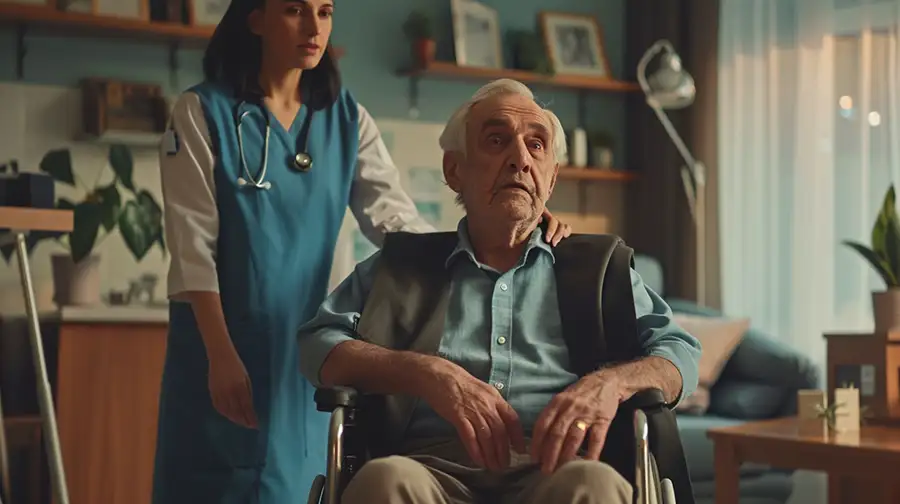
By learning the early warning signs, families can act before minor concerns turn into major harm. Abuse may take many forms, but consistent vigilance helps ensure residents are treated with dignity.
Physical Abuse Indicators in Long Island Facilities
Visible injuries are often the first warning signs of mistreatment. Families should look closely for physical abuse symptoms such as bruises, welts, or fractures that cannot be explained by medical conditions.
Common indicators include bruising around the wrists or ankles, which may signal unlawful restraint. Unexplained falls, cuts, or recurring hospital visits may also suggest that staff members are mishandling residents or ignoring their needs.
New York courts have recognized that injuries in care facilities can indicate negligence or intentional harm. Under CPLR § 214, residents have three years to file a personal injury claim, underscoring the importance of quick action.
These red flags should never be ignored. Families should immediately document any suspicious injuries and request explanations in writing.
Behavioral and Emotional Abuse Red Flags
Emotional abuse often leaves no visible scars but can be equally damaging. Warning signs include sudden withdrawal, unexplained fear, or refusal to communicate with visitors.
Residents may also exhibit mood swings or display anxiety when specific staff members are present. In some cases, the impact of emotional abuse in nursing homes can lead to depression or self-neglect.
Research shows that psychological abuse can cause long-term trauma, affecting not just residents but also their families. Families in Nassau and Suffolk counties have reported cases where their loved ones appeared drastically different after only a few months in certain facilities.
Monitoring changes in communication and demeanor is just as important as checking for physical injuries.
Neglect and Poor Care Conditions
Neglect remains one of the most prevalent forms of abuse. Common signs include poor hygiene, dirty clothing, and untreated medical issues such as infections or bedsores in nursing homes.
Malnutrition and dehydration are also critical indicators. If residents lose weight rapidly or appear consistently thirsty, families should question whether they are receiving appropriate nutrition and hydration.
The New York Attorney General has highlighted multiple cases where understaffing directly led to neglect, leaving residents in unsanitary and unsafe conditions. These enforcement actions stress the importance of oversight in Long Island facilities.
Families who see neglect must act quickly, as prolonged lack of care can lead to irreversible harm.
Financial Exploitation and Theft in Nursing Homes
Financial exploitation is a hidden but devastating form of abuse. Warning signs include sudden withdrawals, missing personal items, or unexplained charges on bank accounts.
In Long Island, cases of financial exploitation have included staff coercing residents into signing documents or manipulating them into giving away assets.
Families should monitor accounts, request receipts for transactions, and be cautious if staff members discourage financial independence. If exploitation is suspected, quick legal intervention is essential.
New York’s Public Health Law § 2801-d allows residents and families to seek damages for rights violations in nursing homes, including financial abuse.
Legal Protections and Deadlines in New York
Families considering legal action must understand the statutes governing these cases. Under CPLR § 214, personal injury claims generally must be filed within three years.
For cases involving municipal-run facilities, families must comply with General Municipal Law § 50-e, which requires filing a Notice of Claim within 90 days. Additionally, General Municipal Law § 50-i sets strict time limits on when lawsuits may be pursued.
These deadlines are unforgiving, and missing them can bar recovery entirely. Consulting with an attorney experienced in Long Island nursing home cases ensures families meet all procedural requirements.
Knowing the law gives families the confidence to pursue justice while protecting their loved ones’ rights.
Steps Families Can Take if Abuse is Suspected
Acting quickly is vital when red flags appear. Families should document signs of abuse with photographs, medical records, and written notes of concerning incidents.
Concerns should be reported to the New York State Department of Health, which oversees nursing homes, or to the Attorney General’s Medicaid Fraud Control Unit. These agencies have taken action in numerous Long Island cases, holding facilities accountable.
At the same time, families may also need to consider civil action to recover damages. Legal action not only helps secure compensation but also drives systemic changes to improve conditions for other residents.
Quick reporting and legal action can prevent ongoing harm and protect other vulnerable residents in Nassau and Suffolk counties.
Preventing Abuse Through Family Involvement
Prevention begins with vigilance. Regular visits and open communication between family members and staff can deter abuse. Families who engage actively are more likely to notice problems early.
Practical prevention strategies include unannounced visits, reviewing financial records, and checking for warning signs during every interaction. Technology such as monitoring systems may also play a role in increasing accountability.
Community advocacy has also proven effective. Families who participate in family visits to prevent abuse and local elder rights initiatives contribute to safer nursing home environments across Long Island.
By staying involved, families not only protect their loved ones but also push facilities to uphold higher standards of care.
Frequently Asked Questions About Nursing Home Abuse
What are the first signs of nursing home abuse?
The first signs often include bruises, sudden mood changes, or unexplained fear. Families should also look for neglect indicators like poor hygiene or weight loss.
How can I tell if my loved one is suffering emotional abuse?
Emotional abuse shows through withdrawal, anxiety, or fear of staff members. These changes may appear suddenly and worsen without intervention.
When should I file a claim for nursing home abuse in New York?
Claims should generally be filed within three years under CPLR § 214. If the facility is municipally run, a Notice of Claim must be filed within 90 days.
Who oversees nursing home safety in Long Island?
The New York State Department of Health monitors nursing home compliance. The Attorney General’s office also investigates systemic abuse cases through enforcement actions.
Who can be held liable for nursing home abuse?
Both individual staff members and the facility itself may be liable. In some cases, ownership companies may also face responsibility under New York law.
What if my loved one is a victim of financial exploitation?
Families can file civil claims to recover stolen assets. Financial exploitation cases often involve theft, coerced signatures, or unauthorized withdrawals.
How can families help prevent nursing home abuse?
Prevention starts with frequent visits and active involvement. Families can also use community resources and advocacy groups to enforce residents’ rights.
Can families recover damages for nursing home neglect?
Yes, damages may include medical costs, pain and suffering, and financial losses. Claims may be pursued under Public Health Law § 2801-d.
Protecting Loved Ones from Nursing Home Abuse
Abuse and neglect in nursing homes remain pressing issues for Long Island families. Recognizing physical, behavioral, and financial red flags is critical to protecting residents in Nassau and Suffolk counties.
With clear warning signs and strong legal protections, families can act swiftly when problems arise. If you suspect mistreatment, legal help is available to guide you through reporting and potential claims.
Holding facilities accountable not only helps your loved one but also improves care standards for seniors across Long Island. Families should never ignore the warning signs of nursing home abuse.
If you believe your loved one may be experiencing abuse, contact our Alonso Krangle, LLP today at 800-403-6191 for a confidential consultation and learn how we can help protect your family’s rights.
Speak with An Attorney
Submit This Form or Call 800-403-6191