

Suffolk County Dog Bite Lawyers
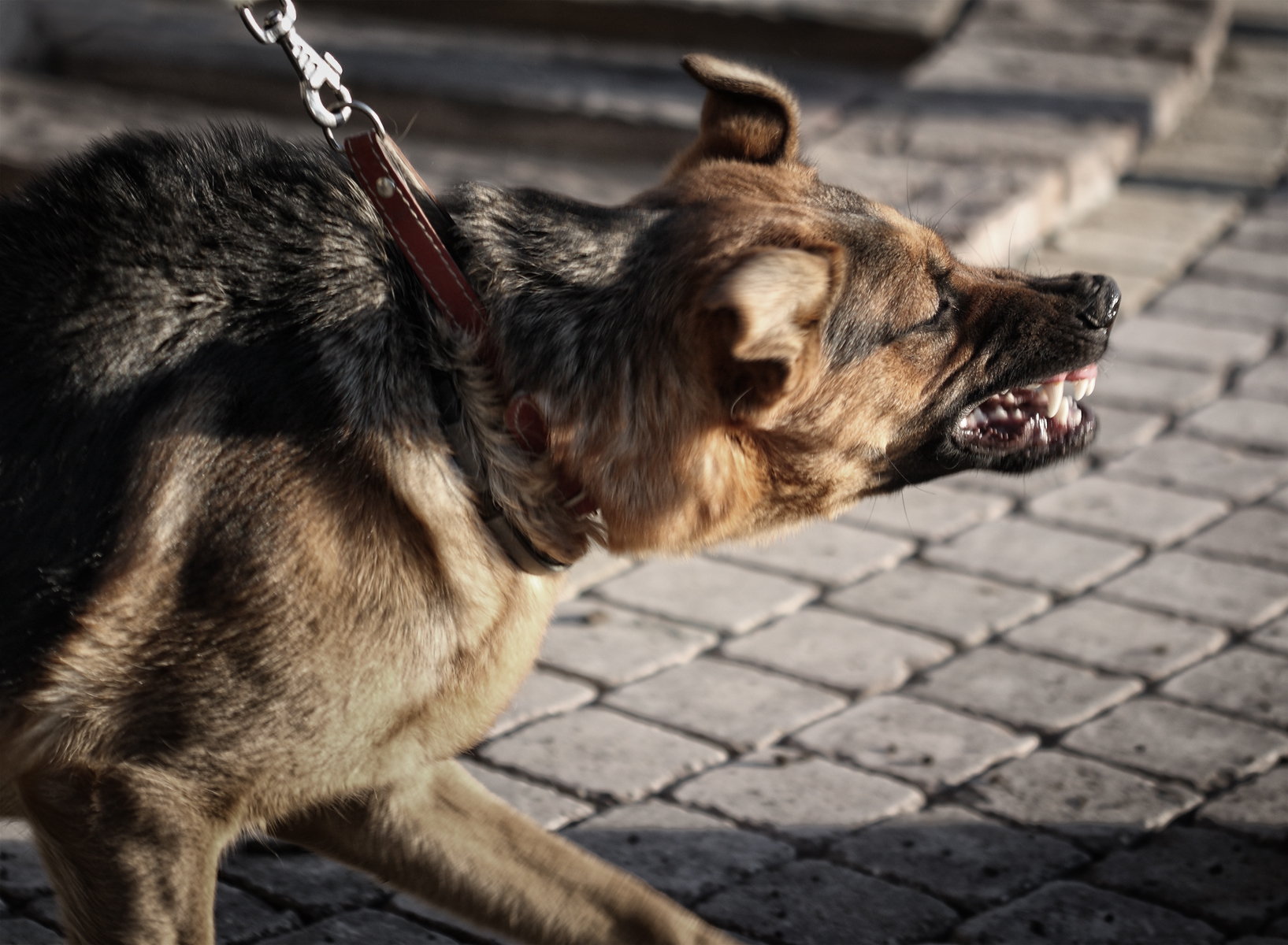
A dog attack happens without warning. One moment everything is normal — you are walking through a neighborhood, visiting a friend's home, accepting a delivery, or letting your child play outside — and the next you are facing injuries that can require emergency surgery, leave permanent scars, and cause lasting psychological trauma.
Dog bites are among the most underestimated personal injury events in New York. Victims frequently minimize what happened — especially when the dog belongs to a neighbor or family friend — and fail to pursue the compensation they are legally entitled to. Meanwhile, the physical and emotional consequences of a serious dog attack can follow a victim for years: nerve damage, disfigurement, infection, post-traumatic stress disorder, and in the most devastating cases, death.
At Alonso Krangle LLP, we have recovered significant compensation for dog bite victims across Long Island, including a $450,000 settlement on behalf of a dog bite victim. Our attorneys understand New York's dog bite laws, how to establish an owner's liability, and how to fight insurance companies that try to minimize the severity of what our clients have been through.
If you or your child was bitten or attacked by a dog anywhere in Suffolk County, Nassau County, or on Long Island, call 800-403-6191 today for a free, confidential consultation. You pay nothing unless we recover compensation for you.
New York Dog Bite Law — What You Need to Know
New York's dog bite law is governed by New York Agriculture and Markets Law § 121, which establishes a framework of liability for dog owners based on the animal's history and the circumstances of the attack.
The "Dangerous Dog" Standard
Under New York law, a dog owner may be held liable for medical costs when their dog bites or attacks someone — even if the dog has never shown aggression before. However, to recover full damages including pain and suffering, lost wages, and other non-economic losses, the victim typically must establish that the owner knew or should have known that the dog had dangerous propensities.
Evidence of a dog's dangerous propensities may include:
- Prior biting history — the dog has bitten or attacked a person or another animal before
- Prior threatening behavior — growling, lunging, snapping, or charging at people
- The owner's own statements about the dog's temperament
- Animal control records, prior complaints, or citations involving the dog
- The dog's breed or training history in cases where aggression was specifically cultivated
Strict Liability for Medical Costs
Even without proof of prior dangerous behavior, a dog owner in New York faces strict liability for the medical and veterinary costs resulting from a bite or attack. This means you do not need to prove the owner knew the dog was dangerous to recover your medical expenses — the attack itself is sufficient.
Negligence Claims Beyond the Statute
New York courts have recognized that dog bite victims may pursue claims beyond the Agriculture and Markets Law — including common law negligence — in cases where the owner's careless handling of the animal caused or contributed to the attack. Failing to use a leash in a leash-required area, allowing a dog with known aggressive tendencies to roam freely, or failing to adequately secure a fence are examples of negligent conduct that may support a full damages claim even without prior bite history.
Landlord Liability
In certain circumstances, a landlord who knew a dangerous dog was being kept on their property — and had the ability to remove the animal or require the tenant to control it — may also face liability when that dog attacks a third party. This is particularly relevant in densely populated areas of Suffolk County where multi-family housing is common.
Who Is Liable for a Dog Bite in New York?
Determining liability after a dog bite requires identifying not just who owned the dog, but all parties whose negligence may have contributed to the attack:
The Dog Owner — the primary liable party in virtually every dog bite case; responsible for controlling, restraining, and properly securing their animal at all times
A Dog Keeper or Custodian — someone who was responsible for the dog at the time of the attack — a dog sitter, a family member, a person walking the dog — may bear liability even if they do not own the animal
A Property Owner or Landlord — when a dog attack occurs on someone else's property and the property owner knew a dangerous dog was present, the property owner may share liability under premises liability principles
An Employer — when the dog belongs to a business and the attack occurs in the context of business operations — for example, a guard dog kept at a commercial property — the employer may face direct liability
A Homeowner's Insurance Policy — most homeowner's and renter's insurance policies in New York include dog bite liability coverage; identifying and pursuing all available insurance coverage is a critical part of maximizing recovery
Common Locations Where Dog Bites Occur
Dog attacks in Suffolk County happen in a wide range of settings, many of them seemingly safe and familiar:
Residential Neighborhoods — the majority of dog bites occur near or at the dog owner's home; children are frequently bitten in the yards of neighbors or family friends
Public Parks and Trails — off-leash dogs in parks, nature preserves, and recreational trails throughout Suffolk County — including Caumsett State Historic Preserve, Sunken Meadow State Park, and Heckscher State Park — create risks for walkers, joggers, and cyclists
Apartment Complexes and Multi-Family Housing — common areas, stairwells, and parking lots in densely populated residential areas are frequent sites of dog attacks involving neighbors' animals
On Sidewalks and Public Streets — pedestrians, runners, and cyclists encounter unleashed or inadequately restrained dogs regularly on Long Island streets and sidewalks
At the Homes of Friends or Family — a significant portion of dog bite victims are attacked by animals they know, in homes they are visiting as guests; familiarity with the dog does not reduce the owner's liability
During Package and Food Deliveries — delivery drivers for Amazon, UPS, FedEx, USPS, and food delivery services are among the highest-risk populations for dog bites; they approach unfamiliar properties and interact with front doors — where dogs are most likely to be protective — dozens or hundreds of times per day
At Dog Parks — while dog parks are intended as controlled environments, attacks on people and other animals occur regularly when owners fail to monitor their dogs' behavior
At Groomers, Boarding Facilities, and Veterinary Offices — attacks by other clients' dogs in professional animal care settings can give rise to liability claims against the facility in addition to the dog's owner
Who Is Most at Risk?
While a dog attack can happen to anyone, certain groups face elevated risk:
Children — children are the most frequent victims of serious dog bites. Their smaller size makes them more vulnerable to severe injuries from an attack, and their behavior — sudden movements, high-pitched voices, close face-level contact — can trigger aggression even in dogs that are not generally considered dangerous. Children under 10 account for a disproportionate share of severe and fatal dog bite injuries nationally.
Delivery and Service Workers — mail carriers, package delivery drivers, food delivery workers, utility workers, and meter readers routinely approach unfamiliar properties and are at constant risk of dog encounters. According to the U.S. Postal Service, thousands of postal employees are attacked by dogs every year nationwide.
Elderly Adults — older adults are less able to defend themselves during an attack and are more likely to suffer serious fractures, internal injuries, and complications from bite wounds due to age-related factors including reduced immune response and more fragile skin and bone structure.
Joggers and Cyclists — the motion of running and cycling can trigger a dog's predatory instinct, causing dogs that would not otherwise attack a stationary person to give chase and bite.
Neighbors and Guests — people who regularly enter a property where a dog lives — neighbors, house guests, babysitters, domestic workers — are frequently bitten by animals they consider familiar.

Injuries Caused by Dog Attacks
Dog bites are not minor injuries. Even a single bite from a medium-sized dog can cause wounds requiring surgery, hospitalization, and months of recovery. In serious attacks — particularly those involving large or aggressive breeds — the injuries can be catastrophic and permanently life-altering.
Puncture Wounds and Lacerations
Dog teeth create deep puncture wounds that can penetrate muscle, tendon, and bone. Lacerations from biting and tearing can be extensive and may require multiple layers of sutures or reconstructive surgery. The depth and location of puncture wounds — particularly around the hands, face, and neck — determines the severity of functional and cosmetic impact.
Infections and Sepsis
Dog mouths harbor numerous dangerous bacteria including Pasteurella, Staphylococcus, Streptococcus, and Capnocytophaga. Bite wounds that are not promptly and thoroughly treated carry a high risk of serious infection. In severe cases, infection can spread to the bloodstream, causing sepsis — a life-threatening systemic response. Rabies, while rare, must also be evaluated and post-exposure prophylaxis initiated promptly when the dog's vaccination status is unknown.
Nerve Damage
Deep bites — particularly on the hands, arms, and face — frequently damage nerves, causing numbness, weakness, loss of fine motor control, and chronic pain. Nerve damage from a dog bite can be permanent, permanently affecting a victim's ability to work and perform daily activities.
Scarring and Disfigurement
Dog bites on the face, neck, and hands — the areas most commonly targeted in attacks — can cause severe permanent scarring. Facial disfigurement is particularly devastating, affecting a victim's appearance, self-confidence, and emotional wellbeing for the rest of their life. Reconstructive surgery can reduce but rarely eliminate severe scarring.
Broken Bones and Crush Injuries
Large dogs are capable of exerting tremendous bite force — in some breeds, more than 300 pounds per square inch. This force can fracture bones, particularly in the hands, wrists, and forearms of victims attempting to protect themselves. Children attacked by large dogs frequently suffer skull and facial fractures.
Psychological Trauma and PTSD
The psychological impact of a dog attack is frequently underestimated and undercompensated. Victims — particularly children — commonly develop post-traumatic stress disorder, severe anxiety, phobias, nightmares, and behavioral changes that persist long after physical wounds have healed. Psychological trauma from a dog attack is a recognized and compensable injury under New York law.
Wrongful Death
In the most devastating cases, dog attacks cause death — particularly when victims are very young children or elderly adults with limited ability to defend themselves. Surviving family members may bring a wrongful death claim under New York EPTL § 5-4.1.
Evidence That Can Strengthen Your Dog Bite Claim
Building a strong dog bite claim requires prompt and thorough evidence gathering. Key evidence includes:
Photographs of injuries — taken immediately after the attack and throughout the healing process; document every wound, bruise, and scar at every stage of recovery
Photographs of the scene — the location of the attack, any broken fences or missing leashes, signage, and conditions that contributed to the attack
Animal control records — records of prior complaints, biting incidents, or dangerous dog designations involving the animal; these are public records in most Suffolk County municipalities and can be requested from local animal control authorities
Prior bite or attack history — statements from neighbors, prior victims, or anyone with knowledge of the dog's past behavior
Witness statements — names and contact information of anyone who witnessed the attack or the dog's behavior before or after it
Medical records — complete documentation of all treatment from the emergency room forward, including infection treatment, surgery, wound care, reconstructive procedures, and psychological counseling
Veterinary records — the dog's vaccination history, veterinary notes, and any behavioral observations by veterinary staff
Homeowner's or renter's insurance information — the dog owner's insurance policy information; most dog bite claims are ultimately paid by the owner's homeowner's or renter's insurer
Social media and communications — posts or messages by the dog owner that reflect knowledge of the dog's aggressive tendencies
Filing Deadlines for Dog Bite Claims in New York
New York law imposes strict deadlines for filing dog bite claims. Missing any of these deadlines permanently eliminates your right to recover compensation.
| Claim Type | Deadline | Authority |
|---|---|---|
| Personal Injury Lawsuit (Dog Bite) | 3 years from date of attack | CPLR § 214 |
| Wrongful Death Lawsuit | 2 years from date of death | EPTL § 5-4.1 |
| Claim Against a Government Entity | 90 days from attack | GML § 50-e |
| Lawsuit Against a Government Entity | 1 year and 90 days | GML § 50-i |
| Injury to a Minor | Statute tolled until age 18, then 3 years | CPLR § 208 |
Important Note on Claims Involving Minors: When the bite victim is a child, the statute of limitations is tolled — paused — until the child turns 18, after which the three-year period begins to run. However, waiting is never advisable. Evidence disappears, witnesses move away, and animal control records may be purged. Pursuing the claim as soon as possible after the attack produces the strongest possible case.
Government Entity Deadline: If the attack involved a dog owned or kept by a government entity — including municipal animal control, a police K-9 unit, or a government facility — a Notice of Claim must be filed within 90 days of the attack. This deadline is absolute.
Compensation Available to Dog Bite Victims
Dog bite victims in New York may be entitled to recover compensation for the full impact of the attack on their lives, including:
Medical Expenses — all past and future costs of treatment, including emergency care, hospitalization, wound care, surgery, plastic and reconstructive surgery, antibiotic treatment, rabies prophylaxis, nerve repair, physical therapy, and ongoing psychological counseling
Lost Wages — income lost during recovery from the attack, including any period of disability caused by injuries to the hands, arms, or other areas affecting the ability to work
Loss of Earning Capacity — when bite injuries — particularly nerve damage, scarring, or psychological trauma — permanently affect a victim's ability to perform their occupation or advance in their career
Pain and Suffering — compensation for physical pain, emotional distress, anxiety, depression, PTSD, phobias, and the permanent loss of enjoyment of life resulting from the attack and its aftermath
Scarring and Disfigurement — New York law specifically recognizes permanent scarring and disfigurement as compensable injuries; in cases involving severe facial scarring, this component of recovery can be substantial
Psychological Treatment — the costs of ongoing therapy, counseling, and psychiatric care necessitated by the psychological trauma of the attack
Property Damage — clothing, eyeglasses, or other personal property damaged during the attack
Wrongful Death Damages — when an attack causes death, surviving family members may recover funeral and burial expenses, loss of financial support, loss of parental guidance, and loss of companionship under EPTL § 5-4.1
Frequently Asked Questions
Related Practice Areas
Dog Bites and Delivery Workers
Information about the specific legal rights of delivery workers, mail carriers, and service workers attacked by dogs on the job.
Bitten by a Dog on Long Island? Call 800-403-6191.
The dog bite attorneys at Alonso Krangle LLP fight for injured victims and their families across Suffolk County, Nassau County, and all of Long Island. We have recovered significant compensation for dog bite victims — including a $450,000 settlement — and we are ready to fight for you.
You pay nothing unless we win. Call 800-403-6191 today for a free, confidential consultation.
Speak with An Attorney
Submit This Form or Call 800-403-6191