

How to Report Nursing Home Neglect: Protect Loved Ones in Long Island
Reporting Nursing Home Neglect in Long Island: A Family Guide
Families trust nursing homes to provide care, but neglect remains a serious issue. Learning how to report nursing home neglect in New York is essential to protecting loved ones. On Long Island, both Nassau County and Suffolk County families face these concerns.
Neglect can involve poor hygiene, lack of medical care, or even dangerous living conditions. When it happens, families have the right-and responsibility-to act. Understanding the reporting process ensures that concerns are addressed quickly and properly.
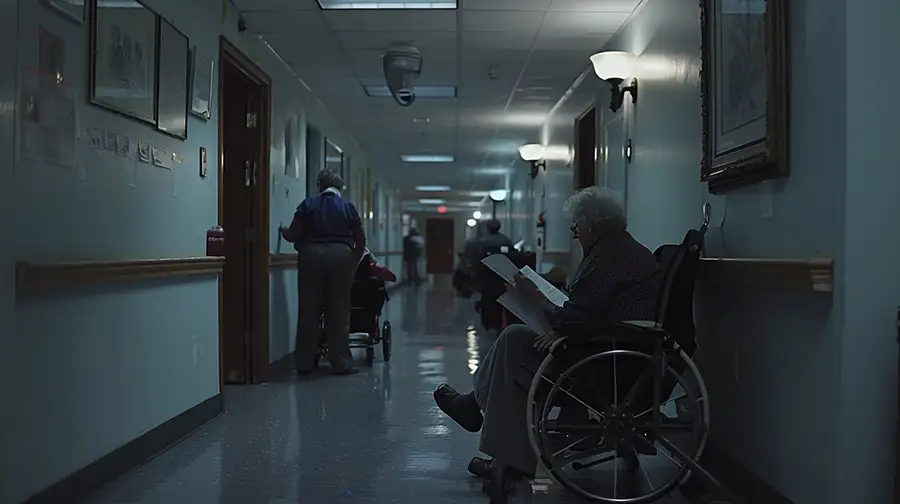
This guide explains how to file complaints, what agencies to contact, and the laws that protect residents. It also covers family strategies to prevent further harm. By taking immediate action, you can safeguard your relative’s dignity and safety.
Recognizing the Signs of Nursing Home Neglect
The first step in reporting is identifying neglect. Warning signs are often subtle but should never be ignored. Long Island families may notice changes in mood, health, or physical condition that signal mistreatment.
Common indicators include weight loss, poor hygiene, untreated bedsores, and frequent falls. Emotional neglect may show up as withdrawal, depression, or fear around caregivers. Financial warning signs include missing money or unauthorized transactions.
Examples of neglect reported by the New York Attorney General include unsanitary living conditions and ignored medical needs (NY Attorney General). These real cases show why vigilance is so critical for families.
Once you recognize potential neglect, the next step is to know who to contact and how.
How to File a Nursing Home Complaint in New York
Families can report neglect through several official channels. The New York State Department of Health oversees nursing homes and accepts complaints about unsafe or inadequate care. Complaints can be filed online, by phone, or in writing.
You may also report abuse to local law enforcement if the neglect rises to criminal conduct. In some cases, urgent intervention is required to protect the resident from immediate harm. For Long Island residents, county-level offices may also provide support.
Another option is contacting the Long Island Ombudsman Program, which advocates for nursing home residents. Ombudsmen investigate complaints, mediate disputes, and ensure resident rights are protected.
Filing a complaint is not only about one resident-it helps prevent ongoing mistreatment in the facility.
New York Laws Protecting Nursing Home Residents
New York has specific statutes that protect residents from neglect and abuse. Families pursuing legal action should be aware of these important laws. The CPLR § 214 sets a three-year statute of limitations for personal injury claims, including neglect.
If the claim involves a county-owned or municipal facility, the family must file a Notice of Claim within 90 days under General Municipal Law § 50-e and then commence the lawsuit within one year and 90 days under General Municipal Law § 50-i.
New York’s Public Health Law § 2801-d provides a private right of action when nursing homes violate resident rights. This statute allows families to sue for damages caused by substandard care.
Together, these laws create a legal framework to hold negligent facilities accountable in Long Island and beyond.
Where to Report Neglect in Nassau and Suffolk Counties
Families in Nassau and Suffolk counties have access to both state and local resources. The New York State Department of Health is the primary agency for complaints, but county-level advocates can assist as well.
In Nassau County, families may also turn to the Office for the Aging, which works closely with ombudsman services. In Suffolk County, elder protection hotlines and local elder care advocates provide an additional layer of support.
Law enforcement should be contacted immediately in cases of physical abuse or imminent danger. County prosecutors sometimes pursue criminal charges against abusive staff or administrators.
Using both state and local reporting channels strengthens your case and increases the likelihood of meaningful action against neglectful facilities.
Steps Families Can Take After Filing a Complaint
Reporting neglect is only the first step. Families must remain proactive to ensure follow-up and accountability. This includes keeping detailed records of complaints, photographs of conditions, and medical reports.
Regular communication with the Department of Health or ombudsman ensures your case does not fall through the cracks. Following up on complaint status helps pressure facilities into making real changes.
Families should also seek legal advice. An attorney experienced in nursing home neglect can explain compensation options and legal strategies. Some cases may result in settlements, while others require litigation.
Remaining engaged sends a message to facilities that residents’ rights will not be ignored.
Compensation for Victims of Nursing Home Neglect
Neglect can cause serious harm, from bedsores and infections to wrongful death. Victims and their families may be entitled to compensation for these injuries. Damages can include medical costs, pain and suffering, and sometimes punitive awards.
New York law provides families the ability to seek damages under Public Health Law § 2801-d. Courts may award attorney’s fees as well, making it easier for families to pursue justice.
Compensation claims often involve documenting neglect through medical evidence, facility reports, and witness testimony. Legal guidance ensures families meet all deadlines and maximize recovery.
Seeking compensation is not only about financial recovery-it also holds negligent facilities accountable and protects other residents.
Prevention Strategies for Families on Long Island
Preventing neglect requires vigilance. Families can play an active role by making frequent visits, building relationships with staff, and monitoring conditions. Regular visits make it harder for neglect to go unnoticed.
Requesting care plans and reviewing medication records helps families ensure their loved one receives proper treatment. Transparency in communication is a key defense against neglect. Families should document all concerns, even minor ones, to build a paper trail.
Technology can also help. Monitoring devices and frequent check-ins can detect early signs of neglect (abuse detection tools). Families should not hesitate to escalate concerns if warning signs persist.
Ultimately, prevention means taking an active role in care and refusing to ignore red flags.
Frequently Asked Questions About Reporting Neglect
What are the common signs of nursing home neglect?
Common signs include weight loss, bedsores, and poor hygiene. Families should also look for mood changes or fear around staff members.
How do I report nursing home neglect in New York?
You can report neglect to the Department of Health online or by phone. Local ombudsman programs and law enforcement are also available for help.
Who investigates nursing home complaints on Long Island?
The New York State Department of Health investigates complaints statewide. Ombudsman programs in Nassau and Suffolk counties also play a key role.
When should I contact law enforcement about neglect?
Contact police if your loved one faces immediate danger or injury. Criminal neglect and abuse may result in arrests or prosecution.
What legal deadlines apply to nursing home neglect claims?
You generally have three years under CPLR § 214 to file a lawsuit. For municipal homes, a Notice of Claim must be filed within 90 days.
Can families recover financial losses from neglect?
Yes, families may seek compensation for medical bills and suffering. New York’s Public Health Law § 2801-d supports these claims.
How can families prevent future neglect?
Frequent visits and active communication with staff help prevent neglect. Using monitoring tools and documenting concerns strengthens family oversight.
Protecting Loved Ones Through Legal Action
Nursing home neglect robs residents of safety and dignity, but families have tools to fight back. By reporting issues quickly, using New York’s legal protections, and seeking compensation, families safeguard vulnerable relatives.
On Long Island, from Nassau County to Suffolk County, families face similar challenges but also share the same resources. Acting decisively is the most effective way to protect loved ones.
If you believe your family member is suffering neglect, legal consultation can provide clarity and direction. Midway through the process, families often benefit from an attorney’s guidance in navigating reporting and legal claims.
To protect your loved one and others at risk, consider seeking a free consultation today. The attorneys at Alonso Krangle, LLP are here for you. Call 800-403-6191 or submit the form on this page for a free consultation.
Speak with An Attorney
Submit This Form or Call 800-403-6191