

FDA Warning on Synovo Hip Implants
Understanding the FDA Warning: The Risks of Synovo Total Hip Replacement Implants
The U.S. Food and Drug Administration (FDA) has recently issued a significant warning to healthcare providers and patients regarding the use of Synovo Total Hip Replacement Implants. This advisory comes in light of discoveries that substantial modifications have been made to the system’s components, diverging from their initial design and approval in 1991. Such modifications have prompted concerns about the safety and efficacy of these implants, leading to a stern recommendation from the FDA against their further use and distribution.
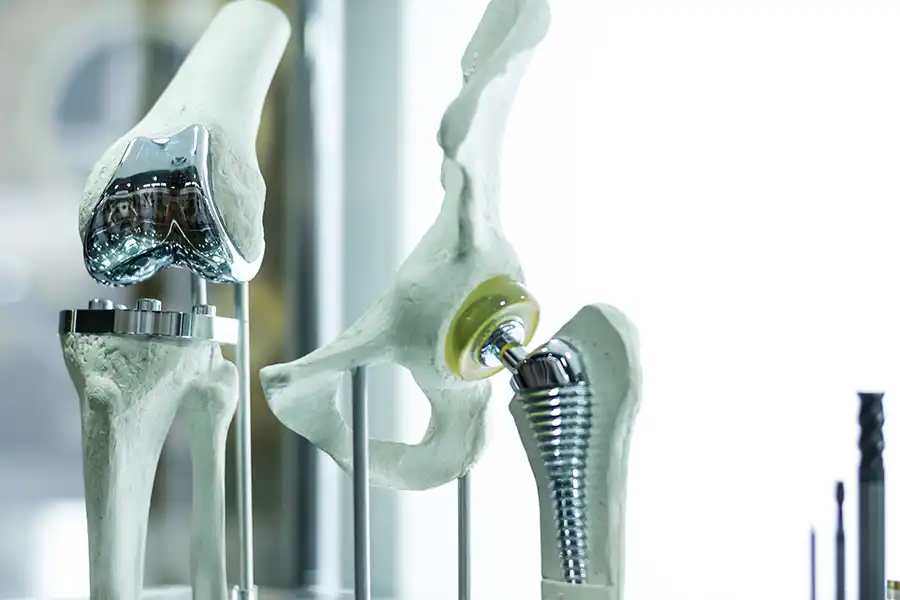
What You Need to Know About the FDA Warning
On January 3 2023, the Food and Drug Administration (FDA) issued a critical warning concerning the Synovo Total Hip Replacement System, shedding light on concerns that have emerged regarding its safety and effectiveness. This warning was precipitated by the discovery that significant modifications had been made to the system’s hardware since its original FDA clearance in 1991. The alterations in question pertain specifically to key components of the implant, including the femoral resurfacing cup, acetabular fixation cup, and acetabular bearings. These components, integral to the system’s overall functionality, have undergone changes that deviate significantly from their initially approved designs and specifications.
The FDA’s alert to healthcare providers underscored the importance of halting the purchase and implantation of the Synovo Total Hip System. The agency’s concerns were rooted in the lack of a thorough review of these modifications, which cast doubt on the continued assurance of the system’s safety and effectiveness for patients. Among the flagged modifications were changes to the femoral resurfacing cup, which had been originally cleared with specific conditions regarding its use. The FDA’s investigation revealed that new instructions had been issued for the implant, suggesting it could be used without bone cement—a significant shift from its original clearance stipulations. This change, among others, raised alarms about potential increased risks to patients, including the likelihood of implant loosening, which could necessitate painful and complicated revision surgeries.
The FDA’s warning letter to Synovo highlighted not just the unauthorized modifications but also the company’s marketing of certain system components without obtaining the necessary premarket approvals. This breach of regulatory requirements prompted the FDA to demand an immediate cessation of manufacturing, underscoring the seriousness of the situation and the potential danger to patient health and safety. The ramifications of these findings are profound, not only for those who may currently have the Synovo Total Hip System implanted but also for the broader medical community, which relies on regulatory assurances of safety and efficacy in the devices they use and recommend.
The Risks Associated with Modified Implants
The modifications made to the Synovo Total Hip Replacement System have introduced a number of potential risks that patients and healthcare providers need to be acutely aware of. The FDA’s investigation and subsequent warning highlight a concerning scenario where patients may face increased risks of implant loosening, leading to pain, the possibility of proximal femur fracture, or component fracture. These complications can necessitate revision surgery, a process that is not only physically taxing for patients but also fraught with additional risks and a longer recovery period.
One of the most significant changes identified was to the femoral resurfacing cup’s coating, which was modified to allow for cementless fixation. This alteration diverges from the original design cleared by the FDA, which specified that the component should not be used without bone cement. The new instructions suggest a fundamental change in how the implant interfaces with the bone, potentially affecting its stability and longevity. This shift raises concerns about the implant’s ability to securely attach to the bone without the additional support of bone cement, increasing the likelihood of loosening and the subsequent need for painful, complex revision surgeries.
Moreover, the FDA’s warning letter to Synovo also shed light on the company’s marketing practices, revealing that some components of the system had been marketed without first obtaining the necessary premarket approval. This not only contravenes FDA regulations but also puts patients at risk by introducing unvetted modifications to critical medical devices. The agency’s concern is that these changes, both individually and collectively, could expose patients to heightened risks, underscoring the importance of compliance with regulatory standards and the rigorous review processes designed to safeguard patient health.
The situation with Synovo’s Total Hip Replacement System serves as a stark reminder of the importance of regulatory oversight in the medical device industry. It highlights the potential dangers of modifications made without proper approval and the critical need for ongoing vigilance to ensure the safety and efficacy of medical implants. For patients who have received these implants since 2019, the FDA’s warning is a call to closely monitor for any signs of loosening or other complications, underscoring the need for prompt medical consultation if new or worsening symptoms arise.
FDA’s Recommendations for Healthcare Providers
In response to the significant safety concerns identified with the Synovo Total Hip Replacement System, the FDA has issued clear and directive recommendations for healthcare providers. These guidelines are designed to mitigate potential risks to patients and ensure that the medical community is informed and prepared to act in their patients’ best interests.
First and foremost, healthcare providers are urged to immediately cease the purchase and implantation of the Synovo Total Hip System. This directive reflects the gravity of the situation and the potential for harm to patients due to the unauthorized modifications of the system’s components. By stopping the use of these implants, healthcare providers can prevent further complications and safeguard their patients’ well-being.
Additionally, the FDA advises that all components of the Synovo Total Hip System, including the femoral resurfacing cup, acetabular fixation cup, and acetabular bearings, be removed from medical inventory. This action is crucial to prevent any accidental use of these modified components, which have not been proven safe and effective under their current configurations. Healthcare providers are encouraged to review their inventories and ensure that none of these potentially risky devices remain available for use.
For patients who have already received the Synovo Total Hip System, the FDA does not universally recommend surgical removal of the implant unless the patient is experiencing new or worsening symptoms. This nuanced approach acknowledges the risks associated with revision surgery and emphasizes the importance of individual patient assessment. Healthcare providers are instructed to closely monitor these patients for signs of potential bone loss, device loosening, wear, or failure. Monitoring should include regular follow-ups and may necessitate the use of diagnostic imaging, such as X-rays, to assess the condition of the implant and surrounding bone structure.
In discussions with patients considering hip replacement surgery, healthcare providers are now tasked with weighing the benefits and risks of all available treatment options. This includes consideration of alternative hip implant devices that are legally marketed and have established safety and efficacy profiles. The goal is to provide patients with comprehensive information to make informed decisions about their treatment options, understanding the potential risks and benefits of each.
The FDA’s recommendations underscore the agency’s commitment to patient safety and the crucial role of healthcare providers in implementing these guidelines. By adhering to these recommendations, healthcare providers can play a pivotal role in mitigating the risks associated with the modified Synovo Total Hip System and ensuring the health and safety of their patients.
What Patients Should Do
For patients who have received a Synovo Total Hip Replacement System implant, particularly those implanted after 2019, the FDA’s warning may be a source of concern and uncertainty. To address this, the FDA has outlined specific recommendations for patients, aiming to ensure their safety and well-being in light of the potential risks associated with these modified implants.
Patients who have undergone hip replacement surgery with the Synovo Total Hip System are advised to be vigilant for any new or worsening symptoms that could indicate complications related to their implant. These symptoms may include pain, loosening of the implant, audible grinding or other noises from the hip area, difficulty bearing weight, or weakness of the hip or knee on the side of the implant. The onset of any such symptoms should prompt immediate consultation with a healthcare provider to assess the condition of the implant and determine the appropriate course of action.
Importantly, the FDA does not recommend the preemptive surgical removal of the Synovo Total Hip System in patients who are not experiencing new or worsening symptoms. The decision to undergo surgery to remove or replace the implant should be made on a case-by-case basis, considering the individual patient’s symptoms, overall health status, and the potential risks and benefits of such a procedure. Patients are encouraged to maintain regular follow-up appointments with their healthcare provider, adhering to the recommended schedule for monitoring the condition of their implant.
In these follow-up appointments, healthcare providers may recommend diagnostic imaging, such as X-rays, to closely monitor for signs of potential bone loss, device loosening, wear, or failure. These measures are crucial for early detection of issues and can help inform the decision-making process regarding the need for intervention or surgery.
Patients should also engage in open and informed discussions with their healthcare providers about the risks associated with their specific implant and the available options for managing their condition. This includes understanding the potential for complications and the implications of choosing to undergo revision surgery versus continued monitoring of the implant’s condition.
By following the FDA’s recommendations and maintaining open communication with their healthcare providers, patients can take proactive steps to manage their health and make informed decisions regarding their Synovo Total Hip System implants. This approach prioritizes patient safety and well-being, ensuring that individuals are equipped with the knowledge and support needed to navigate their care effectively.
FDA’s Ongoing Actions and Future Updates
The FDA’s warning about the Synovo Total Hip Replacement System marks a significant intervention aimed at protecting patient safety in response to the identified risks associated with the modified implants. In taking these steps, the FDA has demonstrated its commitment to rigorous oversight and enforcement of regulatory standards within the medical device industry. This section outlines the FDA’s ongoing actions regarding Synovo’s Total Hip System and what stakeholders can expect in terms of future updates and communications.
FDA’s Actions Since Discovering the Modifications
Upon discovering the significant modifications made to the Synovo Total Hip System’s components, the FDA undertook a series of actions to address the situation. This began with a thorough inspection and analysis of the modified devices, leading to the issuance of a warning letter to Synovo. This letter detailed the violations found, including unauthorized changes to the devices and the lack of necessary premarket approvals for these modifications. The FDA demanded that Synovo immediately cease the manufacturing of the modified devices and take corrective actions to address the violations.
The FDA has also requested that Synovo notify its customers, including healthcare providers and medical facilities, of the risks associated with the modified devices. This step is crucial for ensuring that all parties are aware of the potential dangers and can take appropriate measures to protect patient safety.
Collaborative Efforts to Bring Devices into Compliance
The FDA is actively working with Synovo to bring its devices into compliance with FDA regulations. This collaboration involves guiding Synovo through the process of addressing the identified issues, including the submission of any required premarket approvals for the modified devices. The goal is to ensure that any devices offered by Synovo in the future meet the rigorous safety and effectiveness standards established by the FDA.
Keeping the Public Informed
The FDA recognizes the importance of transparency and timely communication in matters of public health. As such, the agency has committed to keeping healthcare providers, patients, and the general public informed about significant new information regarding the safety of Synovo’s Total Hip System. Future updates may include the outcomes of Synovo’s corrective actions, additional safety data, or changes in the FDA’s recommendations based on new evidence.
Stay Vigilant if You Have the Synovo Total Hip Replacement System
The FDA’s warning regarding the Synovo Total Hip Replacement System serves as a critical reminder of the importance of regulatory compliance and oversight in ensuring the safety and efficacy of medical devices. The significant modifications made to the Synovo Total Hip System’s components, without proper approval, have exposed patients to potential risks, highlighting the need for vigilance and strict adherence to regulatory standards by manufacturers. This situation underscores the vital role of the FDA in protecting public health by monitoring medical devices throughout their lifecycle and taking decisive action when safety concerns arise.
For healthcare providers, the FDA’s guidance offers a clear directive to cease the use of the Synovo Total Hip System and to closely monitor patients who have received these implants for any signs of complications. This proactive approach is essential for mitigating risks and ensuring the well-being of patients who depend on their care.
Patients, on the other hand, are encouraged to stay informed about their health and to communicate openly with their healthcare providers about any concerns or symptoms that may arise. The FDA’s recommendations provide a framework for patients to actively participate in their healthcare decisions, particularly those who have received or are considering a total hip replacement.
If You’ve Been Injured by Synovo Hip Replacement Complications, Call Us Today
At Alonso Krangle, LLP, we understand the distress and uncertainty that can follow learning about the FDA’s warning against the Synovo Total Hip Replacement System. If you or a loved one has suffered injuries or complications potentially linked to this device, it’s crucial to recognize that you have rights and options. Our experienced legal team is here to provide the support and guidance you need during this challenging time.
By contacting us at 800-403-6191, we can have a free, no-obligation consultation to assess your case and understand your rights. Whether you’re experiencing new or worsening symptoms related to a Synovo Total Hip System, our attorneys are here to help. Time may be limited to take legal action, so don’t hesitate to reach out to us at 800-403-6191 to ensure your rights are fully protected.
Speak with An Attorney
Submit This Form or Call 800-403-6191