

Are Nursing Home Residents Being Coerced into DNR Orders?
Are Nursing Home Residents Being Coerced Into DNR Orders?
Do Not Resuscitate (DNR) orders are meant to honor a resident’s wishes about end-of-life care. But according to disturbing allegations raised in a recent Guardian investigation, some nursing home residents may have been pressured into DNR decisions not for medical reasons-but to save money for insurers like UnitedHealth.
Whistleblowers allege that corporate medical staff encouraged or manipulated elderly residents to change their code status-even when patients or families wanted all life-saving treatment. If true, this practice isn’t just unethical-it may be illegal. Consent must be freely given, informed, and fully understood. Anything less is coercion.
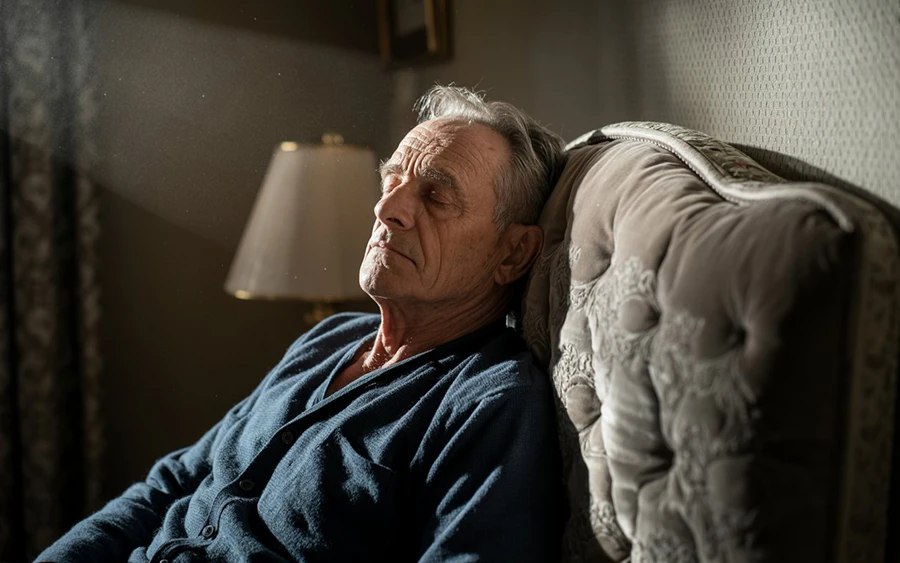
Why Some Nursing Homes May Pressure Residents Into DNR Orders
In the UnitedHealth bonus program described in the Guardian article, facilities received financial rewards for keeping hospitalization rates low. When a resident is full code-meaning they receive all emergency care including resuscitation and intubation-they are more likely to be transferred to the hospital during a crisis. That costs the insurer money.
Whistleblowers claim that UnitedHealth medical teams monitored facilities with too few DNR orders, and encouraged staff to push for changes. In some cases, nurse practitioners were allegedly told to frame DNR conversations as “in the patient’s best interest”, even when there was no immediate medical justification.
One former nurse practitioner said the intent was to make the change appear compassionate, when in reality it served a financial goal: reducing the likelihood of expensive hospital care. This type of manipulation can undermine the patient’s autonomy and violate consent laws in New York.
Understanding DNR Orders and Code Status in New York
A DNR order means that if a person’s heart stops or they stop breathing, staff will not attempt resuscitation. A DNI (Do Not Intubate) order goes further, declining mechanical ventilation. These decisions are deeply personal and must be based on the informed wishes of the patient or their legally authorized representative.
Under New York Public Health Law Article 29-B, a valid DNR requires one of the following:
- The competent consent of the patient
- Consent by a health care agent under a valid Health Care Proxy
- Consent by a surrogate under the Family Health Care Decisions Act
- Clear documentation, including the signature of a licensed physician
Any change in code status must be documented and explained. The patient-or their authorized decision-maker-must understand what DNR or DNI means, what it will prevent, and what alternatives exist. Facilities cannot lawfully pressure residents or skip proper notice to families.
Red Flags That a DNR Order Was Pressured or Improper
Most families assume that a DNR decision will involve thoughtful conversations with doctors and loved ones. But in cases cited by whistleblowers, these decisions were quietly changed-sometimes without notifying the family or confirming legal consent.
If your loved one suddenly had a change in code status, or if something feels off, here are key warning signs to look for:
- The resident or family was never consulted before the DNR or DNI was added to the chart
- The resident does not remember agreeing to the order or seems confused about it
- The facility cannot provide signed documentation or the name of the physician who ordered it
- Medical staff refer vaguely to “company policy” or “cost” when discussing the change
- The DNR was pushed immediately after a resident enrolled in a Medicare Advantage plan
In some tragic cases, families only discovered a DNR order existed after an emergency occurred and staff declined to intervene. By then, it may be too late to reverse the consequences-but not too late to hold those responsible accountable.
When DNR Coercion Becomes a Legal Violation
Under New York law, facilities must obtain informed consent before adding a DNR or DNI order. Failing to do so may violate:
- Public Health Law Article 29-B – governing DNR procedures
- Health Care Proxy Law – ensuring the right of appointed agents to make decisions
- Resident rights under state and federal nursing home regulations
In legal terms, this may give rise to claims for:
- Medical battery – performing or withholding care without proper consent
- Negligence – failure to follow proper procedures leading to harm
- Wrongful death – if inappropriate DNR orders led to avoidable loss of life
Whether a resident was wrongly denied CPR, or a family’s wishes were ignored, our team can help determine if the nursing home or associated parties breached their legal duties. These are deeply emotional cases, but the law offers pathways to justice for families who have been misled or kept in the dark.
How to Protect Your Loved One’s Code Status
The best protection is proactive documentation and constant communication. Families can and should take steps to ensure that a resident’s preferences about life-saving care are clearly recorded and respected. Here’s what to do:
- Review your loved one’s medical file regularly for any updates to code status
- Ensure a valid Health Care Proxy is on file and easily accessible
- Speak with the attending physician about emergency protocols and existing orders
- Request immediate notification of any proposed changes to DNR or DNI status
- If your loved one is cognitively impaired, make sure the proper legal surrogate is involved in every care decision
If you suspect that a DNR order was changed without consent, or you’ve been stonewalled when asking for answers, it may be time to consult with a lawyer. Improperly obtained code status changes can have devastating consequences-and the law is on your side.
If You Suspect a DNR Was Improperly Added, Take Action Now
No family should ever learn after the fact that their loved one’s life-saving treatment was denied because of a DNR they never agreed to. If you believe a nursing home pressured your loved one into a code status change-or bypassed your legal rights entirely – our lawyers at Alonso Krangle, LLP are ready to help.
We can obtain the full medical file, identify unauthorized changes, and hold facilities accountable for violating New York’s consent laws. Whether you’re looking for answers or ready to take legal action, we’ll guide you every step of the way.
Call 800-403-6191 today or use the confidential form on this page to schedule a free consultation. Don’t let a facility’s financial incentives dictate your loved one’s care. We’ll fight to protect your family’s rights-and your loved one’s dignity.
Speak with An Attorney
Submit This Form or Call 800-403-6191