

Can I Sue a Long Island Nursing Home for Neglect or Abuse?
Alarming Cases of Nursing Home Neglect on Long Island
Many families trust Long Island nursing homes to care for their elderly loved ones, only to discover heartbreaking neglect and abuse. Recent violations reveal disturbing patterns of mistreatment that continue to put residents at risk. In 2024, state and federal regulators fined 15 Long Island nursing homes a combined total of $661,210 for serious health and safety violations. While these were not record fines, the details behind these penalties paint a grim picture of systemic failures within some facilities.
One case involved a nursing home neglect lawsuit stemming from a Brentwood facility where a dementia patient was found drinking hair dye left unattended by staff. In another troubling incident, a cognitively impaired resident in Hempstead wandered out of a facility, remaining missing for over 20 hours before being located by police and family. And at a Huntington center, a resident with suicidal tendencies jumped from a second-floor window due to defective safety mechanisms, suffering multiple fractures.
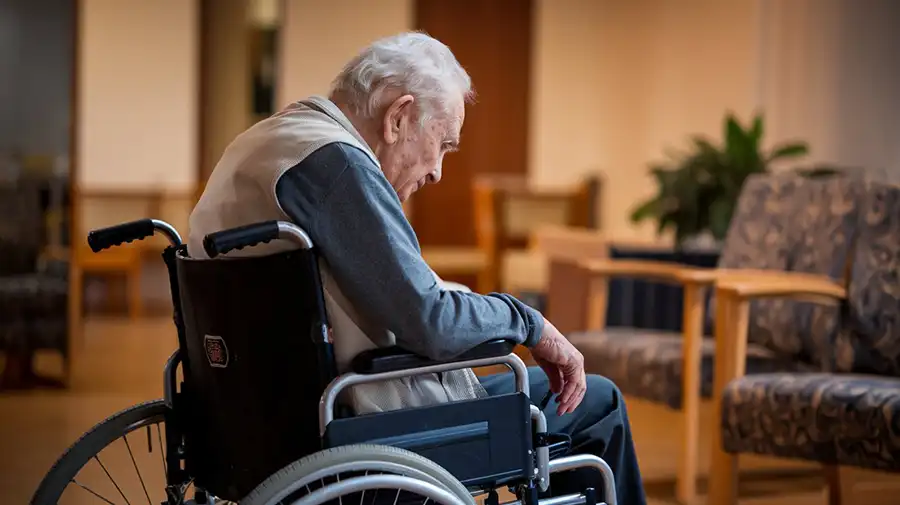
These incidents highlight how Long Island nursing home neglect can arise from inadequate supervision, poor staff training, and blatant disregard for safety protocols. Despite existing regulations, preventable tragedies continue to occur, leaving families devastated and residents harmed.
Our attorneys have seen the emotional and physical toll this type of abuse takes on families. When nursing homes fail in their legal and moral duties, it’s crucial to hold them accountable.
Your Legal Rights When Nursing Home Neglect Occurs in New York
Nursing home residents in New York are protected by both state and federal laws. Facilities are legally obligated to provide care that maintains the physical, emotional, and psychological well-being of residents. Under New York Public Health Law § 2801-d, any patient who suffers an injury as a result of deprivation of legal rights has the right to seek damages through a nursing home neglect lawsuit.
The federal Nursing Home Reform Act (42 U.S.C. § 1396r) also requires that residents receive proper care, nutrition, hygiene, and freedom from abuse or mistreatment. Failure to meet these obligations can lead to substantial liability for the facility involved.
Residents or their families may be able to sue a nursing home for abuse if the facility or its staff committed:
- Physical abuse, such as hitting, slapping, or rough handling
- Neglect, including failure to provide basic hygiene, nutrition, or medical care
- Sexual abuse or harassment by staff or other residents
- Financial exploitation, such as unauthorized use of a resident’s assets
- Emotional abuse, including verbal assaults or intimidation
When these rights are violated, New York law allows victims to pursue financial compensation for their suffering. But these cases require careful legal navigation, detailed investigation, and an aggressive pursuit of justice – all of which our lawyers are prepared to handle for you.
Recognizing the Signs of Nursing Home Abuse and Neglect
Families often struggle to spot the early signs of nursing home abuse. Victims may be unable or too afraid to speak up. That’s why it’s vital for loved ones to recognize the red flags that can signal neglect or mistreatment in Long Island nursing homes.
Common warning signs include:
- Unexplained bruises, cuts, fractures, or other injuries
- Frequent infections, bedsores, or untreated medical conditions
- Sudden changes in mood, depression, or withdrawal
- Malnutrition, dehydration, or significant weight loss
- Poor hygiene, dirty bedding, or unsanitary living conditions
- Frequent falls or wandering off the facility grounds
- Unexplained financial transactions or missing personal property
For example, in 2024, a Hempstead nursing home allowed a cognitively impaired resident to leave the building unnoticed, exposing the individual to severe risk. In another case, a Huntington facility failed to secure window locks, resulting in a resident’s serious fall.
These dangerous oversights emphasize the need for families to stay vigilant and act quickly if they suspect neglect or abuse.
When You Can Sue a Long Island Nursing Home for Abuse or Neglect
Not every unfortunate event leads to a lawsuit. To pursue a nursing home neglect lawsuit, certain legal elements must be present. Our firm carefully evaluates each case to determine whether the nursing home’s actions meet the legal standards for liability.
You may have grounds to sue if:
- The nursing home owed your loved one a duty of care (which they always do under New York law)
- The facility or its staff breached that duty by acting negligently or abusively
- The breach directly caused injury or harm to the resident
- Documented damages-physical, emotional, or financial-resulted from the injury
For instance, one Long Island nursing home was fined after a resident drank hair dye left unsecured at a nurse’s station, leading to hospitalization. In another facility, a resident was left unsupervised, allowing them to wander off the premises for nearly a full day. These failures to provide basic safety can form the foundation of a viable lawsuit.
If you suspect abuse, it’s crucial to act immediately to protect your loved one and preserve important evidence for a potential case.
Real Long Island Cases Illustrate the Risks of Neglect
The 2024 inspection reports reveal numerous examples of Long Island nursing home neglect that endangered vulnerable residents. These real cases demonstrate how quickly neglect can escalate into life-threatening situations:
- Maria Regina Rehabilitation (Brentwood): A dementia patient drank hair dye accidentally left accessible by staff, requiring hospitalization.
- Hempstead Park Nursing Home: A cognitively impaired resident wandered out of the facility unnoticed, remaining missing for over 20 hours.
- Pine Forest Center (Huntington): A resident with suicidal ideation jumped from a window due to a faulty safety mechanism, suffering serious fractures.
- Medford Multicare Center: Multiple failures to report sexual abuse allegations led to significant state and federal penalties.
- St. Catherine of Siena (Smithtown): Physical abuse by staff led to fines after staff were observed slapping and roughly handling residents.
While these cases resulted in fines, financial penalties alone often do little to compensate victims or drive lasting change. A nursing home neglect lawsuit allows families to seek justice directly.
Gathering Evidence for a Nursing Home Neglect Lawsuit
Successfully suing a nursing home requires substantial evidence to prove negligence or abuse. Our attorneys work with families to collect, preserve, and present the necessary documentation. Key evidence may include:
- Medical records showing injuries, weight loss, or untreated conditions
- Incident reports from the facility
- Photographs of injuries, unsafe conditions, or poor hygiene
- Eyewitness statements from staff, visitors, or other residents
- Surveillance footage, if available
- State or federal inspection reports citing violations
In one recent example, video footage captured a Long Island CNA verbally abusing and threatening a resident who repeatedly rang their call bell. This type of evidence can be critical in proving misconduct and securing compensation.
Gathering this evidence quickly helps ensure that important details aren’t lost or erased. That’s why it’s critical to involve experienced legal counsel as early as possible.
New York’s Statute of Limitations and Notice Requirements
In New York, strict legal deadlines apply to filing a nursing home neglect lawsuit. Generally, you must file a lawsuit for personal injury or wrongful death within:
- Three years from the date of the injury for negligence claims
- Two years from the date of death for wrongful death claims
However, if the nursing home is operated by a municipality, county, or public agency, you must first file a Notice of Claim within 90 days of the incident. Missing these deadlines may permanently bar your ability to seek compensation.
Because these timeframes are unforgiving, contacting our firm promptly ensures your legal rights are protected from the outset.
What Compensation Can You Recover in a Nursing Home Neglect Case?
If you succeed in a nursing home neglect lawsuit, New York law allows victims and their families to recover several forms of damages. Potential compensation may include:
- Medical expenses for treatment, hospitalization, and ongoing care
- Pain and suffering experienced by the victim
- Emotional distress for both the victim and their family
- Loss of enjoyment of life
- Wrongful death damages, where applicable
- Costs of transferring to a safer facility
For example, in one case where a resident was physically assaulted by staff, the victim required extensive medical treatment and emotional counseling. In that scenario, damages could include medical costs, counseling expenses, and substantial pain and suffering awards. Our lawyers build comprehensive claims designed to fully reflect the harm done to your loved one.
Speak With Our Long Island Nursing Home Abuse Lawyers Today
If you believe your loved one has suffered abuse or neglect in a Long Island facility, don’t wait to get legal help. Our firm has the experience, resources, and determination to stand up to negligent nursing homes and fight for the compensation your family deserves. We understand how devastating these cases can be and are here to guide you through every step of the legal process. Contact our team at Alonso Krangle, LLP or call 800-403-6191 for a free, confidential consultation.
Frequently Asked Questions About Nursing Home Neglect Lawsuits
Can I sue a Long Island nursing home for neglect?
Yes. If a nursing home’s negligence led to injury, illness, or death, you may be able to pursue a nursing home neglect lawsuit under New York law.
What are common signs of nursing home abuse?
Watch for unexplained injuries, bedsores, poor hygiene, weight loss, depression, withdrawal, or sudden changes in behavior – all potential signs of nursing home abuse.
How long do I have to file a lawsuit in New York?
Typically, you have three years for personal injury and two years for wrongful death. Claims involving municipal facilities require a Notice of Claim within 90 days.
What evidence do I need to sue a nursing home?
Medical records, photographs, witness statements, video footage, inspection reports, and expert testimony can all strengthen your case.
Can a nursing home be held liable for abuse by an employee?
Yes. Facilities are responsible for properly hiring, training, and supervising staff. Failure to prevent or respond to abuse may lead to liability.
Are there staffing requirements for New York nursing homes?
Yes. New York law requires minimum staffing levels of 3.5 care hours per resident per day, with at least 2.2 hours provided by certified nurse aides.
What damages can I recover in a nursing home abuse lawsuit?
You may seek compensation for medical bills, pain and suffering, emotional distress, wrongful death damages, and other losses caused by the neglect or abuse.
Do I need an attorney to file a lawsuit?
While not legally required, pursuing a nursing home neglect lawsuit without legal representation is extremely difficult. Our lawyers know how to investigate, file, and win these complex cases.
What should I do if I suspect abuse?
Document everything, ensure your loved one’s safety, report the incident to authorities, and contact our lawyers immediately to protect your legal rights.
How much does it cost to hire your firm?
We handle nursing home abuse cases on a contingency basis – meaning you pay nothing upfront, and we only get paid if we recover compensation for you.
Speak with An Attorney
Submit This Form or Call 800-403-6191