

Choking Incidents in Long Island Nursing Homes
Choking Incidents in Long Island Nursing Homes: A Hidden Danger
When families place loved ones in nursing homes, they expect safe and attentive care. Unfortunately, choking incidents remain one of the most dangerous yet preventable emergencies in these facilities. These events often stem from poor monitoring, inadequate training, or severe understaffing.
On Long Island, both Nassau County and Suffolk County families have reported cases where residents choked on food, medication, or even improper feeding techniques. Choking can lead to brain damage, pneumonia, or death within minutes if staff fail to respond quickly.
The Centers for Medicare & Medicaid Services (CMS) requires nursing homes to have plans in place to prevent choking. Yet, violations of these safety standards are common, placing vulnerable seniors at grave risk. Nassau County elder abuse cases have shown that neglect plays a direct role in these tragedies.
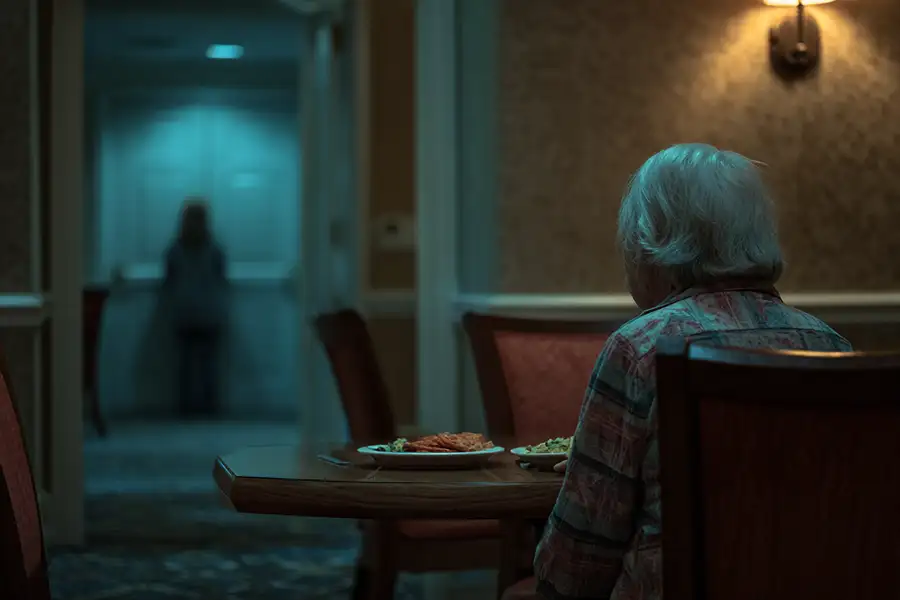
Understanding how and why these choking incidents occur is the first step in protecting your family member from harm.
Why Nursing Home Residents Face High Choking Risks
Choking is not just an accident-it is often a sign of neglect. Elderly residents face higher risks because of age-related conditions like Parkinson’s disease, dementia, or swallowing disorders (dysphagia). Proper supervision is essential during meals, yet this is often ignored in understaffed facilities.
Neglect also occurs when residents are given the wrong food texture, such as solid food when they require pureed diets. Medication errors also contribute, as large pills or improper administration can cause airway blockages. Medical negligence in Long Island nursing homes has been linked to these preventable incidents.
Families in Nassau and Suffolk counties should pay close attention to whether staff are providing proper assistance during meals. If residents are left unattended, even for a few minutes, the risk of choking skyrockets.
At Alonso Krangle LLP, we help families understand their legal rights and options when neglect causes harm. Call us today at 800-403-6191 for a confidential consultation.
Warning Signs of Neglect Leading to Choking
Choking incidents rarely happen without warning. Family members should look for signs that a facility is failing to provide adequate care. These red flags often overlap with other forms of abuse and neglect.
Danger signs may include:
- Residents coughing or choking frequently during meals
- Unexplained weight loss from poor feeding practices
- Visible fear or hesitation around eating
- Medication being administered without supervision
- Staff rushing or ignoring dietary restrictions
When these signs appear, it is critical to act. Spotting abuse in seniors can help families intervene before tragedy strikes.
Neglect is not always visible at first-but choking incidents can be the tragic result of systemic care failures.
Legal Accountability for Choking Incidents in Long Island Facilities
New York law allows families to pursue claims when nursing home neglect leads to injury or death. The CPLR § 214 sets a three-year statute of limitations for personal injury claims, while wrongful death claims generally must be filed within two years.
If a nursing home is publicly owned, New York law imposes strict deadlines. Families must file a General Municipal Law § 50-e Notice of Claim within 90 days and comply with General Municipal Law § 50-i deadlines. These time limits make it essential to act quickly.
Under Public Health Law § 2801-d, residents and families may sue facilities directly for violations of nursing home standards. This statute creates a clear pathway to hold negligent nursing homes accountable for failing to protect residents from choking risks.
Legal accountability not only brings justice to families but also forces nursing homes to adopt stronger safety practices moving forward.
The Overlap Between Choking and Other Forms of Neglect
Choking incidents are rarely isolated. They often occur alongside other signs of neglect, such as malnutrition, dehydration, or improper medication practices. Residents who are ignored in one area of care are frequently at risk in others.
Facilities with chronic understaffing issues are most likely to experience recurring problems. In Nassau and Suffolk counties, state inspections have revealed that unsafe staffing ratios directly contribute to feeding and swallowing emergencies.
Choking also intersects with financial exploitation. If a facility cuts costs by understaffing, residents are more likely to suffer preventable harm. Financial exploitation in Long Island nursing homes has been documented alongside cases of medical neglect.
Recognizing this overlap underscores why choking must be viewed as a broader failure of care, not an isolated accident.
How Families Can Protect Loved Ones from Choking
Families are not powerless. Taking proactive steps can greatly reduce the risks of choking in nursing homes. Visiting regularly and observing mealtimes is one of the most effective ways to catch problems early.
Strategies for protection include:
- Asking about swallowing evaluations for your loved one
- Reviewing dietary plans to confirm they match medical needs
- Observing whether staff remain present during meals
- Checking incident logs for prior choking cases
- Reporting unsafe practices to the New York State Department of Health
Families may also find resources in nursing home resident rights, which outline protections guaranteed by law.
When families stay engaged, the chances of neglect going unnoticed are dramatically reduced.
Compensation Available After Choking Incidents
When a resident suffers harm due to choking, families may be entitled to financial compensation. Damages often include medical expenses, pain and suffering, and in wrongful death cases, funeral costs and loss of companionship.
Claims may also seek punitive damages if the nursing home’s conduct was especially reckless. These damages punish facilities that knowingly ignored risks or violated safety standards.
By pursuing compensation, families can secure resources for recovery while holding negligent facilities accountable for endangering residents.
This process is not just about money-it is about protecting future residents from suffering the same preventable harm.
Frequently Asked Questions About Choking in Nursing Homes
What are the main causes of choking in nursing homes?
Choking incidents often result from poor supervision, unsafe food textures, or medication errors. Residents with swallowing disorders face the highest risks.
How can I tell if my loved one is at risk of choking?
Warning signs include frequent coughing during meals, sudden weight loss, or fear of eating. These issues may indicate unsafe feeding practices.
When do I need to file a lawsuit for a choking incident?
You generally have three years to file under CPLR § 214. Wrongful death claims must usually be filed within two years.
Who is responsible if my loved one chokes in a nursing home?
The nursing home may be liable if neglect, improper diets, or staff inaction contributed. In municipal facilities, strict notice requirements also apply.
Can families receive compensation after a fatal choking incident?
Yes, families may pursue damages for medical bills, funeral costs, and emotional suffering. Some cases may also qualify for punitive damages.
What steps can families take to prevent choking incidents?
Families should review dietary plans, observe meals, and demand swallowing evaluations. Family visits are a powerful prevention tool.
Where can I report unsafe feeding practices in a nursing home?
Concerns can be reported to the New York State Department of Health. Families can also use the legal process for reporting abuse.
How do choking risks relate to other types of nursing home abuse?
Choking often occurs alongside malnutrition, dehydration, and medication errors. These patterns reveal broader neglect issues in facilities.
Take Action Now to Protect Your Loved One
Choking incidents in nursing homes are preventable tragedies, not random accidents. For families on Long Island, especially in Nassau and Suffolk counties, these emergencies highlight systemic failures in elder care. If your loved one has suffered due to choking, you may have legal options.
Alonso Krangle LLP is here to review your case, explain your rights under New York law, and fight for accountability. Call us at 800-403-6191 to speak with an experienced attorney today.
Don’t wait until another preventable incident happens-get immediate legal help to protect your family and other vulnerable residents.
Speak with An Attorney
Submit This Form or Call 800-403-6191