

Common Types of Medical Malpractice Cases Patients Should Know About
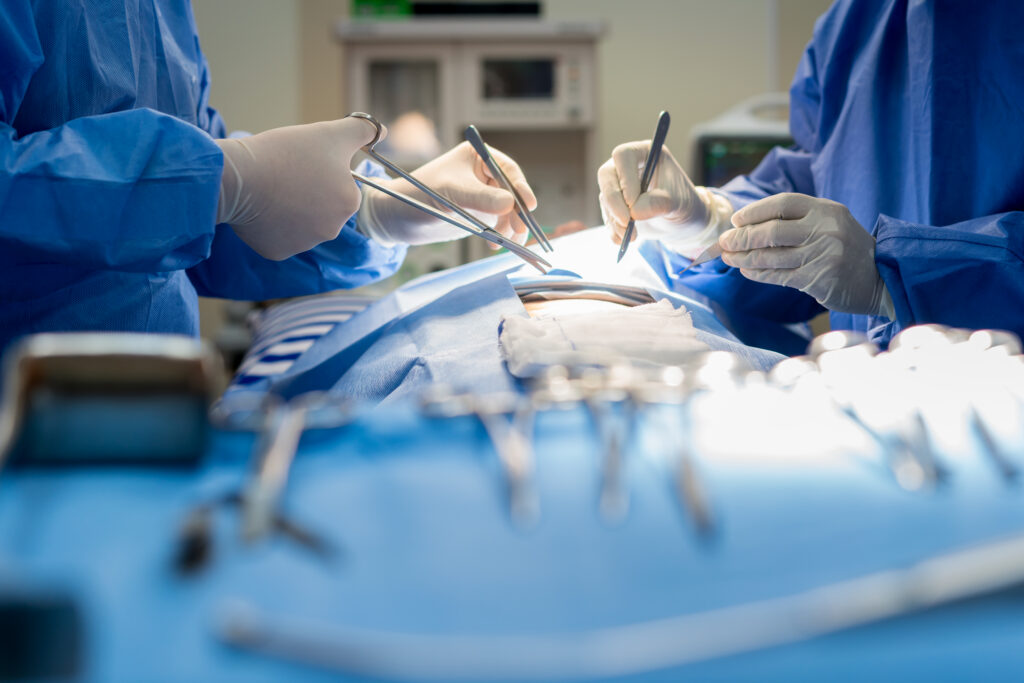
Patients trust doctors, nurses, hospitals, and other healthcare professionals to provide safe and appropriate medical care. When seeking treatment, people expect healthcare providers to properly diagnose conditions, follow safety procedures, and make decisions based on their medical needs. Unfortunately, mistakes can happen. While not every negative medical outcome is considered malpractice, some errors may occur because of negligence, a failure to follow proper standards of care, or mistakes that could have been prevented.
Medical malpractice can have serious consequences for patients and their families. A medical error may lead to additional treatment, long-term complications, emotional stress, and financial challenges. Understanding the common types of medical malpractice cases can help patients recognize when a medical mistake may require further investigation.For individuals throughout Long Island, Nassau County, Suffolk County, Queens, and New York, knowing your rights after a serious medical error can be an important step toward protecting your future.
What Is Medical Malpractice?
Medical malpractice occurs when a healthcare provider fails to provide the expected standard of care and that failure causes harm to a patient. A successful medical malpractice claim generally requires showing that:
- A healthcare provider had a responsibility to provide proper care
- The provider failed to meet the appropriate standard of care
- The patient suffered an injury or harm as a result
Medical malpractice cases can involve doctors, hospitals, nurses, surgeons, and other healthcare professionals depending on the circumstances.
Misdiagnosis or Delayed Diagnosis
One of the most common types of medical malpractice involves mistakes in diagnosing a patient’s condition. A delayed or incorrect diagnosis can prevent someone from receiving timely treatment and may allow a medical condition to become worse. Examples may include:
- Failing to recognize symptoms of a serious illness
- Misinterpreting test results
- Delaying necessary referrals
- Diagnosing the wrong condition
When a serious condition is not identified early, patients may face additional complications or require more aggressive treatment later.
Surgical Errors
Surgery often involves complex procedures that require careful planning and attention to detail. Errors during surgery can result in significant injuries and may require additional procedures to correct the problem. Examples of surgical mistakes may include:
- Operating on the wrong area of the body
- Leaving surgical materials inside a patient
- Causing unnecessary injury during a procedure
- Failing to properly monitor a patient after surgery
Surgical errors can have lasting physical and emotional effects on patients.
Medication Errors
Medications are an important part of medical treatment, but mistakes involving prescriptions and administration can be dangerous. Medication-related malpractice may involve:
- Prescribing the wrong medication
- Providing an incorrect dosage
- Failing to recognize dangerous drug interactions
- Administering medication incorrectly
A medication error can lead to serious complications, especially when a patient is not properly monitored.
Birth Injuries and Obstetric Malpractice
Medical negligence involving pregnancy, labor, or delivery can have devastating consequences for both parents and children. Examples of potential birth-related medical malpractice may include:
- Failure to monitor fetal distress
- Delayed response to complications during delivery
- Improper use of medical equipment
- Failure to identify pregnancy-related risks
Some birth injuries can result in lifelong medical needs and require extensive care.
Emergency Room Errors
Emergency rooms are fast-paced environments where healthcare providers must make quick decisions. However, failing to properly evaluate or treat a patient can lead to serious consequences. Potential emergency room malpractice may involve:
- Failing to recognize a medical emergency
- Delaying necessary treatment
- Incorrectly discharging a patient
- Miscommunication between healthcare providers
When urgent medical conditions are overlooked, the results can be severe.
Anesthesia Mistakes
Anesthesia is a critical part of many medical procedures. Errors involving anesthesia can create immediate and serious risks for patients. Potential anesthesia-related mistakes may include:
- Incorrect dosage
- Failure to monitor vital signs
- Delayed response to complications
- Improper preparation before a procedure
Because anesthesia affects important body functions, mistakes can result in serious injuries.
What Evidence May Be Important in a Medical Malpractice Case?
Medical malpractice claims often require detailed documentation to understand what happened and whether negligence occurred. Important evidence may include:
- Medical records
- Test results
- Treatment notes
- Prescription information
- Expert medical opinions
- Documentation of additional treatment
Because these cases often involve complex medical issues, reviewing the details carefully is essential.
Alonso Krangle Fight for Victims of Medical Malpractice
Medical errors can leave patients facing unexpected injuries, additional medical treatment, and uncertainty about what comes next. When a healthcare provider’s negligence causes harm, understanding your rights can help you make informed decisions about your future. Alonso Krangle helps injury victims throughout Long Island, Nassau County, Suffolk County, Queens, and New York pursue compensation in complex medical malpractice cases.If you or a loved one suffered harm because of a medical mistake or negligent treatment, Call us at 800-403-6191 or contact us online for a free consultation and confidential case evaluation.
Speak with An Attorney
Submit This Form or Call 800-403-6191