

Diabetes Care Errors: Protect Loved Ones in Nursing Homes
Diabetes Care Errors in Long Island Nursing Homes
Families across Long Island trust nursing homes to manage life-threatening conditions like diabetes. When staff make mistakes, the results can be catastrophic. Residents can suffer severe infections, amputations, or even wrongful death due to diabetes care errors.
In facilities throughout Nassau County and Suffolk County, cases of poor diabetic care have been linked to understaffing, lack of training, and systemic neglect. These failures not only endanger residents’ health but also violate their rights under New York law.
Families must understand how errors happen, what warning signs to watch for, and what legal action may be available. If your loved one has suffered due to improper diabetes management, immediate action may save their life and hold negligent facilities accountable.
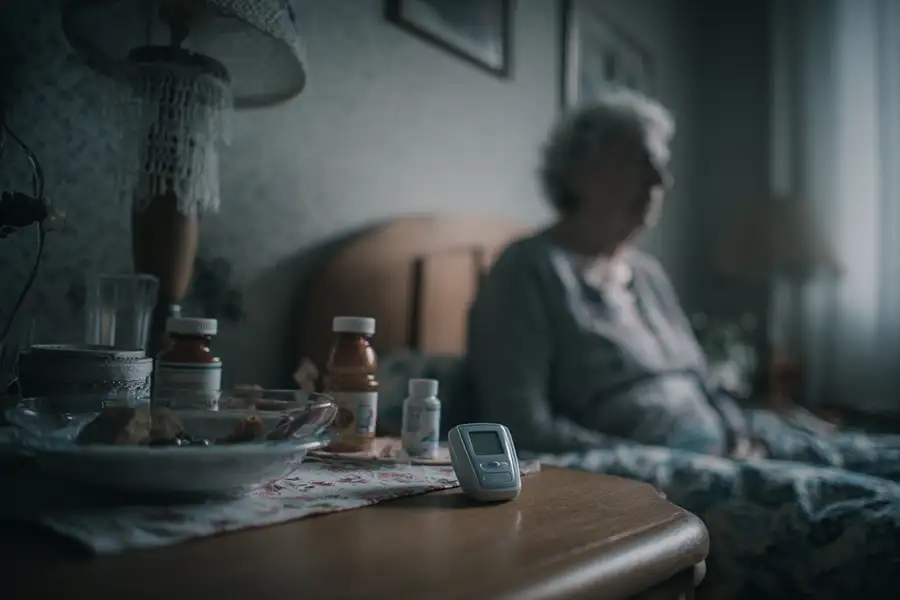
Beyond individual harm, diabetes-related neglect highlights larger issues of unsafe nursing homes on Long Island, demanding urgent oversight and accountability.
How Diabetes Care Errors Put Residents at Risk
Diabetes management requires strict monitoring of blood sugar, medication, diet, and wound care. When nursing homes fail in any of these areas, residents face life-threatening consequences. Insulin overdoses, skipped doses, or missed glucose checks can quickly spiral into emergencies.
Improper monitoring often leads to hypoglycemia, diabetic ketoacidosis, or long-term complications like organ damage. The CDC has found that poor chronic disease management is one of the leading causes of preventable hospitalizations among older adults.
In some cases, facilities substitute cheaper medications, delay treatment, or fail to provide diabetic-friendly meals. These practices not only violate medical standards but can rise to the level of Suffolk County nursing home neglect.
When these errors repeat, they reveal systemic issues within a nursing home-problems that can impact all residents, not just those with diabetes.
Warning Signs of Neglect in Diabetic Residents
Families often discover neglect only after a loved one is hospitalized. Early recognition of red flags can prevent disaster. Diabetic residents rely heavily on staff, and lapses are often visible if you know what to look for.
Some warning signs of poor diabetic care include unexplained weight loss, frequent infections, or sudden changes in mental state. Bedsores or wounds that fail to heal are another critical red flag.
In Nassau County, families have reported residents receiving the wrong insulin dosage or being left without meals, directly contributing to medical crises. These issues are preventable with proper staffing and oversight.
If you observe such patterns, it may be time to investigate further and consider legal remedies. Linking these red flags to documented neglect can help prove liability in an abuse in elder care facilities claim.
Medication Errors in Long Island Nursing Homes
Medication errors are among the most dangerous forms of neglect. For diabetics, incorrect timing or dosage of insulin can cause immediate and severe harm. Unfortunately, medication errors remain one of the most frequently cited violations in nursing home inspections.
According to the New York State Department of Health, many facilities on Long Island have received citations for improper recordkeeping and medication administration. These lapses put residents at constant risk.
Examples include staff failing to rotate injection sites, using contaminated supplies, or missing prescribed doses. Families must demand accountability when such negligence leads to hospitalization or long-term harm.
Because medication errors are often systemic, they provide strong evidence in medical negligence cases in Long Island nursing homes, where both staff and administration may share liability.
Legal Rights of Families Under New York Law
New York law gives families several legal avenues when nursing homes fail in their duty of care. Under CPLR § 214, families generally have three years to file a personal injury lawsuit for diabetes care errors. If a wrongful death occurred, the deadline may be just two years.
For cases involving publicly owned facilities, families must act even faster. Under General Municipal Law § 50-e, a Notice of Claim must be filed within 90 days. Lawsuits must then follow within the one year and 90 days limit in General Municipal Law § 50-i.
Additionally, New York’s Public Health Law § 2801-d allows residents to sue nursing homes directly when their rights to adequate care are violated. This statute is particularly powerful in cases of neglect tied to medical errors.
Families in Nassau and Suffolk counties must act quickly to preserve evidence, medical records, and testimony that can establish liability and protect their loved ones’ rights.
Steps Families in Nassau and Suffolk Can Take
When you suspect diabetes care errors, time is critical. Families should first ensure the resident receives immediate medical evaluation. Keep detailed notes, save hospital records, and request copies of the nursing home’s care logs.
Next, report concerns to the New York State Department of Health, which oversees nursing homes. Complaints can trigger inspections and help build evidence for a legal case. The Attorney General’s office also investigates patterns of abuse and fraud.
Many families also choose to consult with nursing home attorneys experienced in handling Long Island cases. Alonso Krangle LLP is available to review your case and explain your legal options-call us today at 800-403-6191 for a free consultation.
Taking these steps not only protects your loved one but may also prevent future harm to others in the same facility.
Compensation Available for Nursing Home Neglect Cases
Victims of diabetes care errors may be entitled to compensation covering both economic and non-economic damages. These claims help families secure financial stability after devastating medical setbacks.
Compensation may include hospital bills, rehabilitation costs, pain and suffering, and in tragic cases, wrongful death damages. Courts may also award punitive damages where conduct is particularly reckless.
In Suffolk County and Nassau County, courts recognize the devastating impact of long-term diabetic complications, including amputations and organ damage. These injuries often require lifelong care, significantly increasing compensation needs.
Holding negligent facilities accountable also encourages systemic change, making nursing homes safer for all residents. For further reading, visit our guide on different types of nursing home abuse.
Frequently Asked Questions About Diabetes Care Errors
What are the most common diabetes care errors in nursing homes?
The most common errors include missed insulin doses, wrong medication, and poor diet management. These mistakes can cause severe hypoglycemia or diabetic ketoacidosis.
How can families spot signs of diabetic neglect?
Warning signs include unexplained weight loss, frequent infections, and bedsores. These red flags often signal medical negligence.
When must a lawsuit be filed for diabetes care errors in New York?
Most personal injury lawsuits must be filed within three years under CPLR § 214. Wrongful death claims must be filed within two years.
Who investigates nursing homes in Long Island?
The New York State Department of Health investigates facilities. The Attorney General also prosecutes fraud and systemic neglect, as seen in recent elder fraud cases.
What compensation can families seek after diabetes care errors?
Families may recover medical expenses, pain and suffering, and wrongful death damages. Courts may also award punitive damages for reckless misconduct.
Can financial abuse occur alongside medical neglect?
Yes, many facilities commit billing fraud or theft. Families should review statements and see our page on financial exploitation.
How can families prevent future diabetes care errors?
Regular visits, reviewing care logs, and requesting staff updates help prevent errors. Families should also know their rights under Public Health Law § 2801-d.
Do Nassau and Suffolk County facilities face special oversight?
Yes, facilities in both counties face state and federal inspections. Complaints by families often trigger investigations into Nassau County elder abuse or Suffolk neglect cases.
Protecting Your Loved One After Diabetes Care Errors
Diabetes care errors in Long Island nursing homes are never just accidents-they reflect systemic neglect that puts all residents at risk. Families in Nassau County and Suffolk County must act quickly to protect their loved ones and preserve their rights.
New York law provides powerful tools for holding negligent facilities accountable, but strict deadlines apply. Families should not wait to seek legal guidance if they suspect poor diabetic care.
If your loved one has suffered due to errors in diabetes management, Alonso Krangle LLP is here to fight for justice. Call us today at 800-403-6191 for a free consultation and let us help protect your family.
Speak with An Attorney
Submit This Form or Call 800-403-6191