

Diabetic Neglect in Nursing Homes: Hidden Risk on Long Island
Diabetic Neglect in Long Island Nursing Homes
Diabetes care in nursing homes requires careful monitoring and consistent treatment. Unfortunately, many Long Island residents suffer when facilities neglect these responsibilities. Diabetic neglect often stems from poor glucose monitoring in nursing homes, leading to preventable health crises.
Families in both Nassau County and Suffolk County have reported cases where blood sugar checks were skipped, medications were mishandled, and residents suffered dangerous complications. These failures not only jeopardize health but may also violate state and federal elder care standards.
If your loved one has diabetes and lives in a nursing home, it is essential to understand the risks of neglect. Recognizing these warning signs early can help prevent serious harm and protect your family member’s rights.
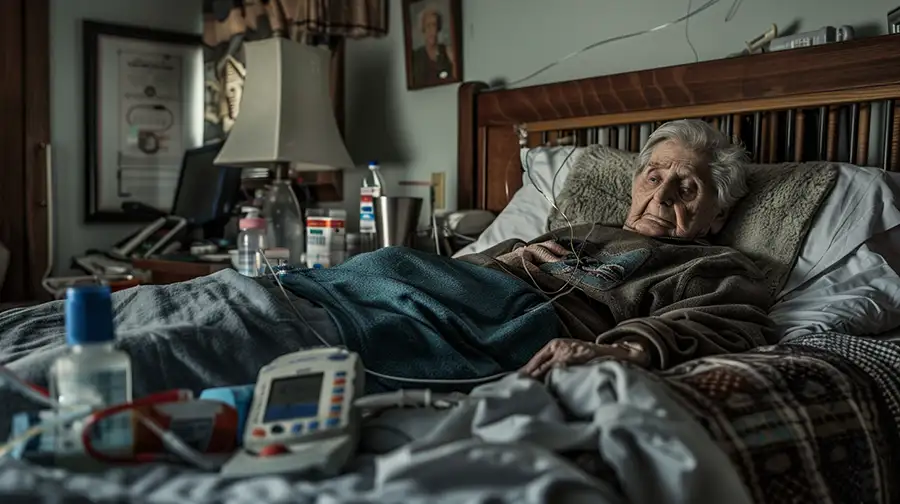
This article explores how diabetic neglect happens, the health dangers it creates, and the legal options available to Long Island families seeking justice.
How Poor Glucose Monitoring Leads to Harm
Proper diabetes management requires daily checks of blood sugar levels, timely insulin administration, and appropriate diet planning. When staff members fail in these duties, residents face life-threatening complications. Missed glucose checks can cause severe hypoglycemia or hyperglycemia.
Inadequate care may also result from Suffolk nursing home neglect, where understaffed facilities cut corners in resident monitoring. These lapses often go unnoticed until emergencies arise.
Symptoms of neglect may include sudden confusion, unexplained fainting, or recurrent hospitalizations. Families should document these incidents and request care logs from the facility to confirm whether proper monitoring was performed.
Bridging to the next topic, untreated diabetic episodes can lead to devastating long-term health consequences for residents.
Medical Consequences of Diabetic Neglect
Diabetic neglect in nursing homes can cause rapid declines in health. Residents who do not receive appropriate monitoring may experience strokes, comas, or cardiac complications. These events are preventable with proper oversight.
Other common consequences include infections, delayed wound healing, and increased risk of sepsis. Poor blood sugar control can worsen existing conditions and shorten life expectancy. Cases of bedsores in nursing homes often overlap with diabetes-related neglect.
Families may also notice weight loss, mood changes, or poor hygiene, all of which can signal broader neglect. These conditions are especially concerning for diabetic residents, who need consistent care.
Transitioning forward, diabetic neglect is part of a larger pattern of abuse and mistreatment in Long Island nursing homes.
Diabetic Neglect as Part of Nursing Home Abuse
Neglect of diabetic residents is rarely an isolated issue. It often occurs alongside other types of nursing home abuse, such as physical harm, emotional mistreatment, and financial exploitation. Each of these creates a dangerous environment for vulnerable seniors.
For example, residents may be emotionally abused if staff dismiss their medical complaints or ignore urgent needs. Families in Nassau County elder abuse cases have reported facilities where diabetic care was intentionally delayed to cut costs.
Financial exploitation can also impact diabetic residents, who may be pressured into paying for unnecessary treatments while essential monitoring is withheld. Such actions not only harm health but also violate New York’s protections for seniors.
With these risks in mind, families should understand the legal framework that holds nursing homes accountable for diabetic neglect.
Legal Rights and Protections for Residents
New York law provides clear protections for nursing home residents. Under CPLR § 214, families typically have three years to file a personal injury claim related to neglect. For claims against municipal facilities, a Notice of Claim under General Municipal Law § 50-e must be filed within 90 days, followed by deadlines under General Municipal Law § 50-i.
Additionally, Public Health Law § 2801-d allows residents to seek damages when a facility violates their rights. This statute specifically addresses nursing home liability for substandard care.
Oversight is also provided by the New York State Department of Health and the Office of the Attorney General. In recent years, the Attorney General has investigated multiple Long Island nursing homes for widespread neglect and financial fraud, showing the seriousness of these violations.
Families who suspect diabetic neglect should consult an attorney experienced in elder law to ensure their loved one’s rights are fully protected.
What Families in Long Island Should Watch For
Identifying diabetic neglect requires careful observation and persistence. Warning signs may be subtle at first but can escalate quickly if ignored. Families should remain vigilant during visits and request regular medical updates.
Common indicators of neglect include skipped blood sugar checks, sudden changes in behavior, unexplained fatigue, or repeated hospital visits. These are not normal aspects of aging but potential red flags of abuse. Facilities often hide these patterns through incomplete documentation.
To help families, here are some key warning signs:
- Unexplained weight loss or dehydration
- Frequent fainting or hospitalizations
- Unresponsive staff when medical issues arise
- Visible sores, infections, or untreated wounds
- Lack of documented blood sugar checks
Next, we look at steps families can take when they suspect diabetic neglect in Nassau or Suffolk County facilities.
Steps Families Can Take if They Suspect Neglect
If you believe your loved one is suffering from diabetic neglect, act quickly. Begin by documenting visible symptoms, keeping medical records, and requesting care logs from the nursing home. These records often reveal whether proper monitoring has occurred.
Families should also report concerns to the legal process reporting authorities, including the New York State Department of Health. Filing a complaint can trigger an investigation into the facility’s practices.
In many cases, consulting with elder neglect lawyers is essential. An attorney can explain the legal deadlines, prepare evidence, and pursue compensation through the courts if necessary.
Moving forward, families must also consider ways to prevent diabetic neglect before it begins.
Preventing Diabetic Neglect in Long Island Nursing Homes
Prevention starts with choosing facilities that prioritize medical oversight. Families should ask about staff training in diabetic care, access to on-site physicians, and emergency response systems. Strong oversight helps reduce the risk of poor glucose monitoring.
Regular family visits also play a critical role. The role of family visits is well-documented in reducing neglect and holding staff accountable. Loved ones who stay engaged often spot early signs of abuse.
Technology can also help. Some facilities use abuse detection tools to monitor residents’ health and alert staff to dangerous trends in real time.
Ultimately, prevention requires a combination of family vigilance, professional oversight, and legal accountability for negligent facilities.
Frequently Asked Questions About Diabetic Neglect
What is diabetic neglect in nursing homes?
Diabetic neglect occurs when facilities fail to monitor or treat residents’ diabetes properly. This can include skipped glucose checks, medication errors, or ignoring dietary needs.
How can families identify signs of diabetic neglect?
Families can spot neglect by looking for sudden health changes, repeated hospitalizations, or missing care logs. Nursing home resident rights include proper medical monitoring.
When must a claim for diabetic neglect be filed in New York?
Most claims must be filed within three years under CPLR § 214. Claims against municipal facilities require a notice within 90 days under General Municipal Law § 50-e.
Who can be held liable for diabetic neglect in nursing homes?
Facilities, administrators, and negligent staff may all be held liable. In some cases, financial abuse also occurs, as seen in financial exploitation cases.
What compensation is available in diabetic neglect cases?
Compensation may include medical costs, pain and suffering, and wrongful death damages. Families can pursue claims under Public Health Law § 2801-d.
Can diabetic neglect be prevented by families?
Yes, prevention is possible through regular visits, reviewing medical logs, and advocating for oversight. Families should also learn about nursing home policy reform.
What government agencies oversee diabetic care in nursing homes?
The New York State Department of Health and the Attorney General investigate nursing home neglect. CMS also enforces federal care standards in facilities receiving Medicare or Medicaid.
Want to Better Understand their Rights? Call for a Free Consultation
Diabetic neglect in Long Island nursing homes is a hidden but serious risk. Families in Nassau and Suffolk Counties who notice signs of poor care should take immediate action. Legal remedies exist to hold facilities accountable and protect residents’ rights.
If your loved one has suffered due to diabetic neglect, you may have grounds for a legal claim. Contacting an attorney with experience in nursing home attorneys can help you pursue justice and compensation.
Your loved one deserves safe and attentive care. Don’t wait-take steps today to ensure their well-being and protect their legal rights.
Call Alonso Krangle, LLP at 800-403-6191 or submit the form on this page to schedule a free consultation.
Speak with An Attorney
Submit This Form or Call 800-403-6191