

Elopement Wandering: When Seniors Wander from Nursing Homes
Elopement Wandering in Long Island Nursing Homes
Families in Long Island trust nursing homes to keep their loved ones safe. Yet one of the most dangerous and overlooked threats is elopement wandering, when residents with dementia or cognitive decline leave facilities unsupervised. This behavior places vulnerable seniors at risk of injury, exploitation, and even death.
Both Nassau County and Suffolk County have documented incidents of residents slipping away unnoticed. When this occurs, it is not simply an accident-it is often the result of poor staffing, inadequate security, or nursing home neglect. Families deserve answers and accountability when facilities fail to protect their residents.
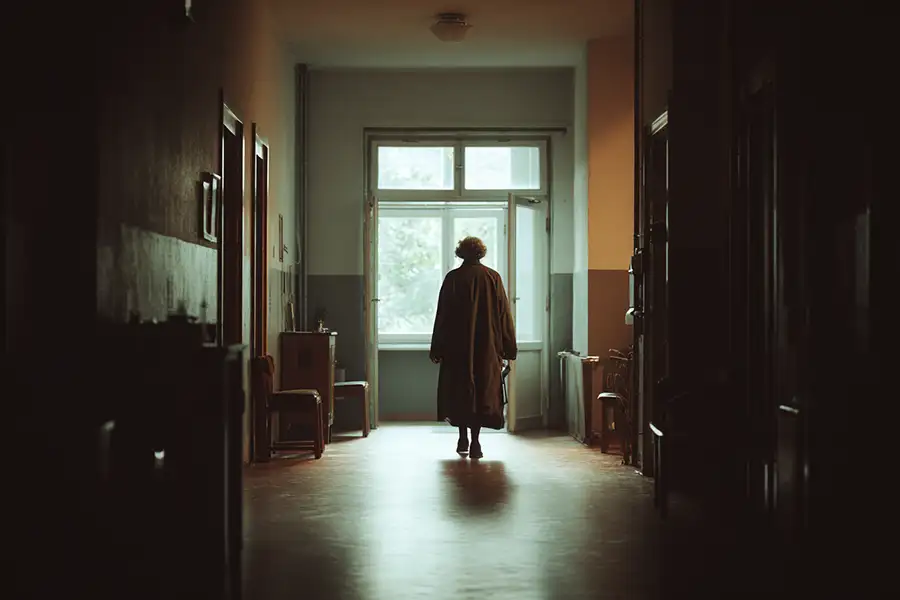
New York law requires nursing homes to maintain proper supervision. When they do not, wandering residents may suffer falls, exposure to harsh weather, or dangerous encounters. Long Island nursing home neglect is a serious issue, and elopement is one of its most alarming outcomes.
Why Elopement Wandering Happens
Elopement often occurs in nursing homes caring for residents with Alzheimer’s or dementia. These individuals may attempt to leave the facility because of confusion, agitation, or a perceived need to go “home.” Without proper safeguards, the consequences can be deadly.
Facilities must assess each resident’s risk level upon admission and update care plans regularly. Failing to implement safeguards-like secured exits, alarms, and close monitoring-can constitute nursing home abuse. Staff cannot simply dismiss wandering as unavoidable behavior.
In Nassau County nursing homes, reports have shown residents leaving unnoticed through broken alarms or understaffed wings. In Suffolk County, families have faced devastating outcomes when facilities ignored repeated warning signs of wandering behavior.
When a facility accepts responsibility for a resident, it must take every reasonable step to prevent wandering injuries. Anything less puts lives at risk. Alonso Krangle LLP is available to discuss these cases-call 800-403-6191 for a confidential consultation.
Dangerous Outcomes of Wandering
Elopement wandering is not harmless. For frail or cognitively impaired residents, it can lead to severe medical emergencies. National studies have shown that seniors who wander face higher mortality rates due to exposure, accidents, and untreated medical conditions.
Common outcomes of nursing home wandering include:
- Falls causing broken bones or head injuries
- Exposure to cold or heat leading to hypothermia or dehydration
- Traffic accidents after leaving facility grounds
- Exploitation, theft, or assault by strangers
When a resident dies or suffers injury from wandering, it is not simply a medical issue-it may be grounds for a nursing home neglect lawsuit in Nassau County or Suffolk County. These cases often reveal systemic understaffing or failures in security protocols.
Families cannot afford to wait until tragedy strikes. Immediate action is critical if signs of wandering appear.
Legal Duties of Nursing Homes in New York
Under CPLR § 214, families have three years to file personal injury claims. Wrongful death cases must be filed within two years. If a municipal facility is involved, General Municipal Law § 50-e requires a Notice of Claim within 90 days, and § 50-i sets strict filing deadlines.
New York’s Public Health Law § 2801-d also creates a direct cause of action against nursing homes that deprive residents of legally guaranteed rights, including safety and adequate supervision.
The New York State Attorney General has pursued lawsuits against facilities with dangerous staffing practices and financial fraud, showing the state’s oversight role in protecting residents. Families in Long Island should know these laws exist to safeguard their loved ones.
Taking legal action not only brings justice but also pressures negligent facilities to change unsafe practices.
Warning Signs of Neglect Leading to Wandering
Families must stay alert to red flags that suggest a facility is not properly preventing wandering. These signs often appear before a major incident occurs.
Common warning signs include:
- Broken or disabled door alarms
- Insufficient staff in hallways or exits
- Repeated reports of residents leaving rooms unnoticed
- Confusion or injuries without adequate explanations
If you notice these risks in a Long Island nursing home, it may be a sign of broader neglect. Bedsores and other neglect indicators often accompany wandering incidents, further proving lack of care.
Families who act quickly can prevent tragedy by demanding safety improvements or moving their loved one to a safer facility.
Steps Families Can Take Immediately
If you suspect wandering is a risk for your loved one, urgent steps should be taken. Do not wait until the facility assures you “it won’t happen again.”
Protective actions include:
- Request a full review of your loved one’s care plan
- Ask about security measures, including alarms and monitoring
- Document all concerns in writing and keep copies
- Report unsafe conditions to the New York Department of Health
Families in both Nassau and Suffolk counties must hold facilities accountable. Reporting unsafe conditions not only protects your family but can prevent harm to others.
When complaints go unanswered, legal action may be the only way to stop dangerous neglect.
Compensation for Wandering-Related Injuries
When nursing homes fail to prevent elopement, families may pursue compensation. These cases often involve significant damages because wandering exposes residents to life-threatening risks.
Recoverable damages may include:
- Medical expenses for injuries or hospitalizations
- Costs of relocating to a safer facility
- Pain and suffering from trauma and fear
- Wrongful death damages if wandering leads to a fatal outcome
Working with experienced nursing home accident lawyers ensures claims are filed within deadlines and supported by evidence. Families cannot afford delays, as statutes of limitations strictly limit filing periods.
Compensation is not just financial relief-it is a form of justice for preventable suffering.
Protecting Your Loved One Moving Forward
Preventing future elopement requires both family vigilance and facility accountability. Families can play a crucial role by visiting often, asking direct questions, and demanding transparency from nursing homes.
Advocacy groups stress that prevention is possible when facilities implement training, alarms, and staffing improvements. Transparency and accountability remain essential to long-term safety in Long Island nursing homes.
When facilities fail to make changes, families may need to explore legal recourse. This ensures that future residents are protected and negligent homes face consequences.
Your loved one’s safety is not negotiable. Taking action today can prevent tomorrow’s tragedy.
Frequently Asked Questions About Elopement Wandering
What is elopement wandering in nursing homes?
Elopement wandering occurs when a resident leaves a facility unsupervised. It is most common among seniors with dementia or Alzheimer’s disease.
How can I tell if a facility is at risk for wandering?
Broken alarms, low staffing, and unexplained injuries are clear signs. Families should raise concerns immediately and request stronger safety measures.
Who is legally responsible if a resident wanders away?
Nursing homes are responsible for preventing unsafe elopement incidents. Under Public Health Law § 2801-d, residents have a right to safe supervision.
When should I file a claim for a wandering injury?
Families must act within three years for personal injury claims. Wrongful death cases have a two-year deadline under CPLR § 214.
Can families recover financial losses from wandering incidents?
Yes, damages may cover medical bills, relocation, and wrongful death costs. Experienced nursing home lawyers help maximize recovery.
How can families prevent elopement in Long Island nursing homes?
Frequent visits and direct questions about safety measures help reduce risks. Reporting unsafe conditions to the NY Department of Health also protects residents.
What agencies oversee nursing home safety in New York?
The NY Department of Health investigates safety violations in facilities. The Attorney General also brings lawsuits against negligent nursing home operators.
Take Action If Your Loved One Experienced Elopement Wandering
If your loved one has wandered from a Long Island nursing home, immediate action is critical. Facilities must be held accountable when their failures endanger residents. Families in Nassau and Suffolk counties have legal options to protect their loved ones and pursue justice.
Do not wait for another incident to occur. Contact Alonso Krangle LLP at 800-403-6191 to discuss your options and learn how legal action can protect your family. Your loved one deserves safety, dignity, and care-the law provides ways to enforce those rights.
Speak with An Attorney
Submit This Form or Call 800-403-6191