

Falls and Fractures in Nursing Homes
Falls and Fractures in Long Island Nursing Homes
Falls are among the most dangerous events that can happen to older adults in care facilities. When a loved one suffers falls and fractures in a Long Island nursing home, it often points to deeper issues of neglect or unsafe conditions.
These accidents are not minor. Hip fractures, head injuries, and repeated falls can shorten life expectancy and cause long-term disability. Families in Nassau and Suffolk counties must recognize that preventable falls are a red flag of inadequate care.
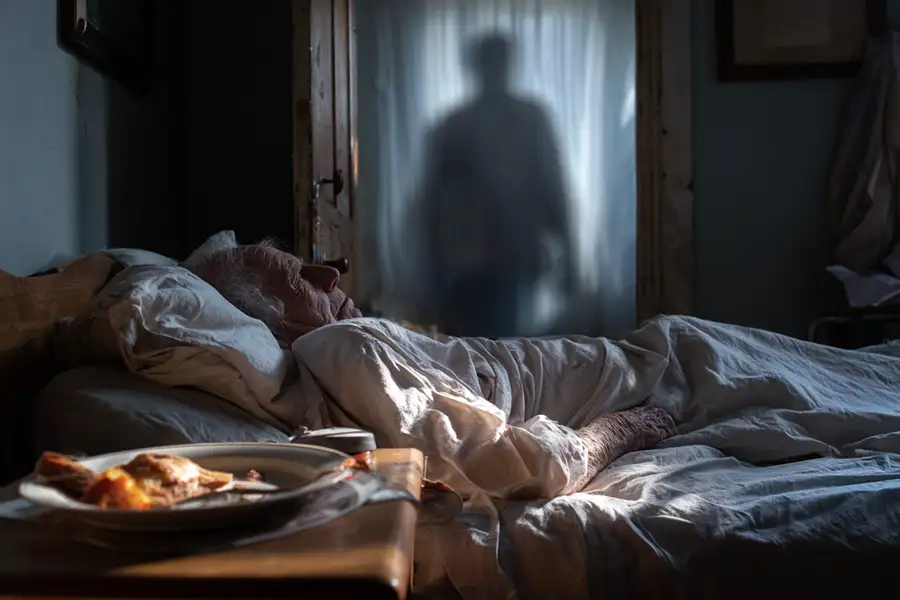
Understanding the causes, legal implications, and available protections helps you safeguard your family member’s health and dignity. This is not just about medical treatment-it’s about accountability.
Why Falls Happen in Nursing Homes
Falls rarely occur by chance in elder care. Instead, they are usually tied to staffing shortages, poor training, or unsafe facility conditions. Every nursing home is legally required to take steps to reduce fall risks.
Common causes include wet floors, broken handrails, lack of supervision, and improper use of restraints. A single missed safety measure can result in devastating harm. Families should ask why the fall happened and whether it could have been prevented.
According to the Centers for Medicare & Medicaid Services (CMS), nursing homes must maintain environments that prevent avoidable accidents. If facilities fail, residents are left exposed to unnecessary danger.
Preventing falls is not only about safety but also about preserving independence and dignity for vulnerable residents.
Fractures and Their Consequences
A fracture for a nursing home resident is rarely just a broken bone. It often triggers a downward spiral of immobility, infections, and even premature death. Hip fractures are especially devastating, with high rates of complications.
Fractures frequently lead to surgery, which carries additional risks for seniors with fragile health. These medical complications add to the trauma of the original fall and may reflect poor prevention policies by the facility.
Under New York law, families may pursue claims when injuries stem from negligence. Consulting an experienced nursing home accident lawyer helps determine whether your case qualifies.
Alonso Krangle LLP provides legal guidance for families facing these injuries. You can reach us directly at 800-403-6191 to discuss your options.
Warning Signs of Neglect After a Fall
Falls are often only part of the story. If staff fail to respond quickly or do not inform families, it signals possible cover-up. Repeated injuries also suggest systemic neglect.
Red flags include unexplained bruises, delayed medical care, or inconsistent explanations from staff. Families should track these warning signs and insist on full documentation of all incidents.
Resources such as physical abuse symptoms guides can help you compare what you’re seeing with common indicators of abuse.
Recognizing these patterns quickly gives you more power to intervene and protect your loved one.
Falls, Emotional Harm, and Financial Exploitation
While falls cause visible injuries, they often carry invisible emotional and financial consequences. A resident may fear walking again or become socially withdrawn, leading to depression.
Financial exploitation sometimes occurs when vulnerable residents are recovering. Unscrupulous staff may pressure them for signatures or access to accounts during periods of confusion or immobility.
Families should watch for signs such as missing personal items or unusual financial transactions. For deeper insight, review resources on financial exploitation in Long Island nursing homes.
Understanding the link between physical harm and financial abuse helps families take a more comprehensive approach to protection.
Legal Protections and Deadlines in New York
New York law provides strong protections for residents injured by neglect. Families can pursue claims under CPLR § 214, which sets a three-year statute of limitations for personal injury cases.
When facilities are publicly operated, special rules apply. A General Municipal Law § 50-e notice of claim must be filed within 90 days, and § 50-i limits when suits may proceed.
Additionally, Public Health Law § 2801-d holds nursing homes accountable when they deprive residents of legally protected rights. These claims allow families to seek damages for injuries caused by inadequate care.
Families in Nassau and Suffolk counties should act quickly. Missing these deadlines can forfeit your right to compensation.
Steps Families Should Take After a Fall
When a fall occurs, time is critical. Immediate medical evaluation should be followed by careful documentation of injuries and conditions in the facility.
Families should request incident reports, maintain records of communication with staff, and photograph any unsafe conditions. This evidence can prove essential for legal claims.
Consider reporting concerns to the New York State Department of Health and, if necessary, contacting the Attorney General’s office. Both agencies have oversight roles in protecting vulnerable residents.
Taking these steps empowers families to move from suspicion to action, ensuring accountability and safety.
Prevention Strategies for Long Island Families
Preventing falls means active involvement by families and strong policies in nursing homes. Ask about fall prevention programs, staff-to-resident ratios, and emergency response protocols.
Regular family visits are one of the strongest protections. They allow you to observe conditions firsthand and reduce the chance of hidden neglect. Learn more from this guide on the role of family visits in preventing nursing home abuse.
Families should also explore safety technologies, such as abuse detection tools that monitor activity and alert staff to risks.
By combining vigilance with available resources, you can play a decisive role in reducing the chance of future injuries.
Frequently Asked Questions About Falls and Fractures
What are the most common causes of falls in nursing homes?
Poor supervision, unsafe conditions, and understaffing are leading causes. Families should review facility safety policies and staff training records.
How can I tell if my loved one’s fracture was due to neglect?
Unexplained or repeated injuries often signal neglect. Comparing injuries to elder injury warning signs can help.
When do I need to file a legal claim in New York?
You must generally file within three years under CPLR § 214. Cases involving municipal facilities require a notice of claim within 90 days.
Who can I report a nursing home fall to?
Reports may be made to the NYS Department of Health. Families can also seek help from local nursing home attorneys.
Can families recover compensation after a fall-related injury?
Yes, families may seek damages for medical costs and suffering. Claims may also include punitive damages when misconduct is proven.
What role does the Attorney General play in nursing home cases?
The AG investigates widespread neglect and financial abuse. Recent lawsuits have exposed unsafe conditions across New York facilities.
How can families prevent falls in Nassau and Suffolk County facilities?
Frequent visits, safety checks, and reviewing fall-prevention programs help. Engaged families reduce risks of hidden neglect.
What steps should I take immediately after a fall occurs?
Get medical care, document injuries, and secure facility records. Prompt action strengthens both safety and any potential legal case.
Take Action to Protect Your Loved One
Falls and fractures in Long Island nursing homes are serious warning signs of neglect. Families in Nassau and Suffolk counties cannot afford to wait when health and safety are at stake.
Alonso Krangle LLP is here to fight for your family’s rights. Call us today at 800-403-6191 for a confidential consultation with our nursing home abuse team.
If your loved one has suffered preventable injuries, act now to protect their future and preserve their dignity.
Speak with An Attorney
Submit This Form or Call 800-403-6191