

Falls in Nursing Homes: Critical Warning for Long Island Families
Falls in Nursing Homes on Long Island: A Growing Concern
Nursing home falls are among the most common and devastating risks for elderly residents. Families in Long Island nursing home abuse cases often learn that many falls could have been avoided with proper supervision. The combination of frailty, mobility issues, and unsafe environments makes seniors highly vulnerable to serious harm.
Unfortunately, lack of supervision is one of the leading causes of these incidents. Staff shortages and inadequate monitoring can lead to falls that cause lasting injuries. In Nassau and Suffolk counties, families are increasingly alarmed by reports of repeat falls in facilities where oversight is lacking.
These accidents are not just unfortunate mishaps; they are often the result of negligence. When nursing homes fail to create safe environments or provide proper staff attention, residents pay the price. Families should understand that preventable falls may be grounds for a nursing home accident lawyer to investigate.
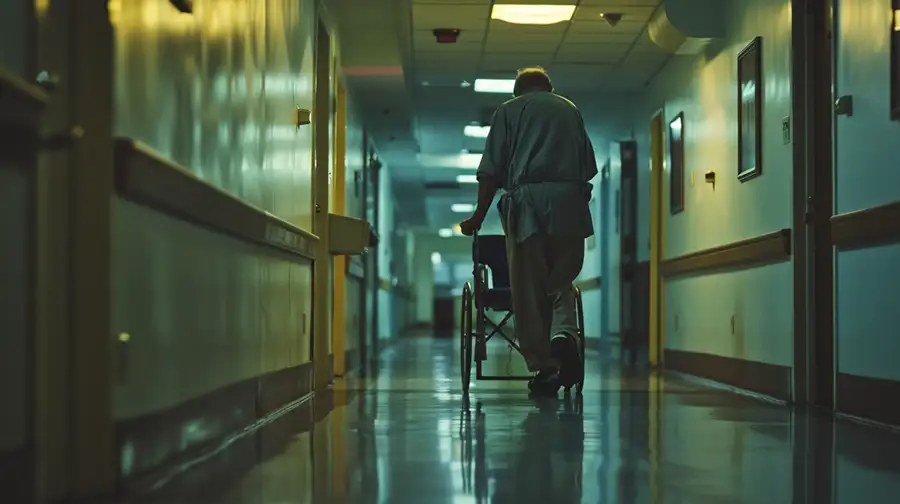
As we explore the causes, consequences, and legal remedies for nursing home falls, it becomes clear that protecting vulnerable seniors requires vigilance from families and accountability from facilities.
Why Nursing Home Residents Are at High Risk of Falls
Older adults in nursing homes are already at a heightened risk for falls. Conditions such as muscle weakness, vision loss, and chronic illnesses contribute significantly to instability. Without close supervision, even a short trip to the bathroom can become life-threatening.
When staff are unavailable or unresponsive, residents often attempt to move independently. This unsupervised mobility is a major cause of preventable falls. The issue is compounded in facilities with known understaffing problems, which is a widespread concern in Long Island facilities.
Falls in nursing homes can lead to broken hips, head injuries, or even death. These outcomes dramatically affect both the residents and their families. Preventing them requires consistent monitoring and an environment adapted to residents’ needs.
Understanding the risk factors is the first step toward prevention. Families should ask about staff-to-resident ratios, fall-prevention protocols, and emergency response systems when evaluating facilities.
Lack of Supervision: A Preventable Cause of Injuries
The lack of adequate supervision is not only common-it is often systemic. Staffing shortages, poor training, and negligent policies mean residents may be left unattended for long stretches of time. This neglect places them at constant risk of injury.
In Suffolk County nursing home neglect cases, families frequently report unanswered call bells and delays in assistance. Residents forced to act on their own may fall while attempting to eat, use the bathroom, or get in and out of bed. These preventable situations are clear signs of negligence.
Falls from inadequate supervision are not “accidents” in the legal sense; they are avoidable harms caused by facility mismanagement. When repeated falls occur, it signals a dangerous pattern that requires immediate legal review. Residents deserve protection, not excuses.
For families who suspect inadequate oversight, consulting an experienced Suffolk nursing home neglect attorney can help determine accountability and options for justice.
Common Injuries Caused by Nursing Home Falls
Falls among elderly residents often lead to catastrophic injuries. A single fall can set off a chain reaction of medical complications, leaving seniors permanently disabled or even causing premature death. These injuries are often long-lasting and deeply traumatic for families.
Among the most common injuries from nursing home falls are:
- Hip fractures requiring surgery and long recovery times
- Traumatic brain injuries from head impact
- Spinal injuries leading to mobility loss
- Severe lacerations and bruising
- Psychological trauma and fear of walking
These injuries are not only painful but can also shorten life expectancy. They often create financial burdens due to extended hospital stays and rehabilitation. In Nassau County elder injury cases, families often face staggering medical costs following such incidents.
Legal claims can help recover damages for these financial, physical, and emotional burdens. Understanding the common injuries from falls helps families recognize when neglect may be responsible.
Signs of Negligence in Nursing Home Fall Cases
Not every fall is unavoidable, but certain red flags suggest negligence. Families should look closely at the circumstances surrounding a fall to determine if lack of supervision or unsafe conditions played a role.
Warning signs of negligence include unanswered call bells, inadequate fall-prevention measures, and repeated unexplained bruises. Another common red flag is inconsistent or incomplete incident reporting by staff. These patterns often show systemic neglect rather than isolated mistakes.
Families in Long Island elder neglect cases frequently discover that falls were never reported or were downplayed by the facility. Hidden documentation practices and evasive responses from administrators often point to deeper issues within the facility.
If you suspect negligence, it is critical to gather documentation, request medical records, and consider speaking with a Nassau County elder abuse attorney who can uncover the truth.
Financial Exploitation Often Overlaps With Neglect
While falls are physical injuries, they often occur in facilities where other forms of abuse exist. Financial exploitation is one such overlapping issue. Residents left unsupervised may also be vulnerable to theft, coercion, or fraudulent use of their assets.
Unscrupulous staff or administrators may exploit vulnerable residents who are unable to monitor their own finances. Families dealing with repeated falls should also remain vigilant for missing money, unauthorized withdrawals, or suspicious billing practices.
Long Island cases have shown that neglect and exploitation often occur together. A facility that fails to supervise residents may also fail to safeguard their financial well-being. Families should not overlook this connection.
Legal remedies are available for both neglect and exploitation. Consulting with attorneys familiar with financial exploitation in nursing homes ensures a comprehensive approach to protecting loved ones.
Legal Rights for Families Under New York Law
New York law provides clear protections for nursing home residents harmed by neglect. Families can bring claims under CPLR § 214, which generally allows three years to file a personal injury lawsuit. However, deadlines are much shorter if a municipal facility is involved.
When a county-owned or public facility is responsible, General Municipal Law § 50-e requires families to file a notice of claim within 90 days. If they fail to meet this requirement, their case may be dismissed.
In addition, General Municipal Law § 50-i sets strict time limits for lawsuits against municipalities. For private nursing homes, Public Health Law § 2801-d gives residents the right to sue facilities that deprive them of proper care.
Families in Nassau and Suffolk counties should consult attorneys promptly to avoid missing these critical deadlines and preserve their legal claims.
Role of Oversight Agencies and Investigations
Oversight agencies play an essential role in holding negligent nursing homes accountable. The New York State Department of Health investigates complaints, while the Attorney General’s Medicaid Fraud Control Unit has brought lawsuits against facilities that misused funds.
Recent investigations by Attorney General Letitia James revealed that some nursing homes diverted millions of taxpayer dollars away from resident care. As a result, residents suffered falls, infections, and neglect. These enforcement actions highlight systemic failures across Long Island facilities.
The Centers for Medicare & Medicaid Services (CMS) also sets national standards that facilities must follow. Failure to comply with these requirements can lead to fines, loss of certification, or closure. Families should be aware that oversight bodies exist to safeguard residents’ rights.
However, investigations can take time. Families often need private legal action to stop ongoing harm and secure compensation for their loved ones.
Steps Families Can Take After a Fall
When a nursing home fall occurs, families must act quickly to protect their loved one. The first step is ensuring immediate medical care. Delays in treatment can worsen injuries and complicate recovery.
Next, families should demand detailed incident reports and request a copy of medical evaluations. Photographs of injuries, unsafe conditions, or broken equipment can serve as valuable evidence in a claim.
It is also important to interview staff and other residents who may have witnessed the fall. Documentation of prior complaints about lack of supervision can further support a negligence case. Acting promptly ensures that critical evidence is not lost.
Families should also consider contacting an experienced Long Island nursing home attorney to begin building a case immediately.
Prevention Strategies for Nursing Home Falls
Preventing falls requires proactive policies from nursing homes and vigilance from families. Facilities should implement fall-prevention protocols, ensure proper staff training, and provide assistive devices for residents who need them.
Families can also help reduce risks by visiting frequently, monitoring care quality, and asking specific questions about fall-prevention measures. Warning signs such as repeated unexplained bruises or complaints about delays in help should never be ignored.
Practical prevention steps include:
- Ensuring grab bars and handrails are properly installed
- Providing non-slip footwear and clean flooring
- Making sure rooms are free from clutter
- Training staff to recognize early fall risks
- Encouraging supervised mobility assistance
When families and facilities work together, many preventable falls can be avoided. Unfortunately, some facilities continue to cut corners at residents’ expense, making legal action necessary.
Compensation Available for Victims of Nursing Home Falls
Victims of preventable falls and their families may be entitled to compensation. Damages may include reimbursement for medical bills, rehabilitation costs, and pain and suffering. In cases of wrongful death, surviving family members may also recover compensation for their loss.
Claims may also include compensation for emotional trauma and reduced quality of life. When financial exploitation is involved, families may recover stolen assets in addition to injury damages. These legal remedies are designed to hold negligent facilities accountable.
Compensation is not just about money-it is about justice and accountability. It sends a strong message to nursing homes that residents must be protected. This is especially important for facilities in Nassau and Suffolk counties, where families are demanding higher standards of care.
Speaking with an attorney helps families understand the full range of compensation available and ensures they pursue every legal avenue for recovery.
Frequently Asked Questions About Nursing Home Falls
What are the most common causes of nursing home falls?
The most common causes include lack of supervision, poor staffing, and unsafe environments. Many falls could be prevented if facilities followed proper safety protocols.
How can families identify neglect after a fall?
Unanswered call bells, repeat injuries, and vague incident reports are warning signs. Families should request detailed records and consider legal advice when neglect is suspected.
When do I need to file a lawsuit for a nursing home fall in New York?
In most cases, families have three years under CPLR § 214. For municipal facilities, a notice of claim must be filed within 90 days.
Who is responsible when a resident falls in a nursing home?
The nursing home is responsible if negligence contributed to the fall. Liability may include inadequate staffing, unsafe premises, or ignored supervision needs.
What compensation is available for victims of nursing home falls?
Compensation may include medical expenses, pain and suffering, and emotional distress. Families may also recover damages for wrongful death in severe cases.
How does financial exploitation relate to fall cases?
Neglectful facilities may also engage in financial abuse of residents. Families should monitor for missing funds and consider legal remedies.
What steps can families take to prevent falls?
Families can help by visiting often, asking about fall-prevention plans, and monitoring staff responsiveness. Active involvement reduces the risk of preventable injuries.
How do oversight agencies protect nursing home residents?
Agencies like the NY Attorney General’s Office and CMS investigate neglect. They enforce penalties and help set safety standards for facilities statewide.
Call for Legal Help After Nursing Home Falls
Nursing home falls are a critical warning sign of inadequate supervision and systemic neglect. Families in Nassau and Suffolk counties deserve to know that their loved ones are safe in Long Island facilities. When preventable injuries occur, legal action may be the only way to hold negligent nursing homes accountable.
If your family is facing the aftermath of a preventable nursing home fall, it is important to act quickly. Consulting an experienced Long Island elder neglect attorney at Alonso Krangle, LLP can help you understand your rights, secure compensation, and protect other residents from similar harm. Contact us today at 800-403-6191 to discuss your case and explore your legal options.
Speak with An Attorney
Submit This Form or Call 800-403-6191