

From Innovation to Injury – The Rise and Fall of the Cartiva Toe Implant
The Rise and Fall of the Cartiva Toe Implant
When the Cartiva Synthetic Cartilage Implant was first introduced, it was hailed as a major step forward in orthopedic medicine-a simple, less invasive way to restore mobility for patients suffering from arthritis in the big toe joint. It promised the best of both worlds: relief without the stiffness of fusion. But within just a few years, this “innovation” would become a cautionary tale in the medical device industry, ending in thousands of failures, patient injuries, and a nationwide recall.
This is the story of how a product built on hope became one of the most controversial implants in recent memory-and what patients can learn from its rapid rise and painful fall. For a broader overview of the recall and patient rights, see Cartiva Implant Lawsuit and Recall Overview.
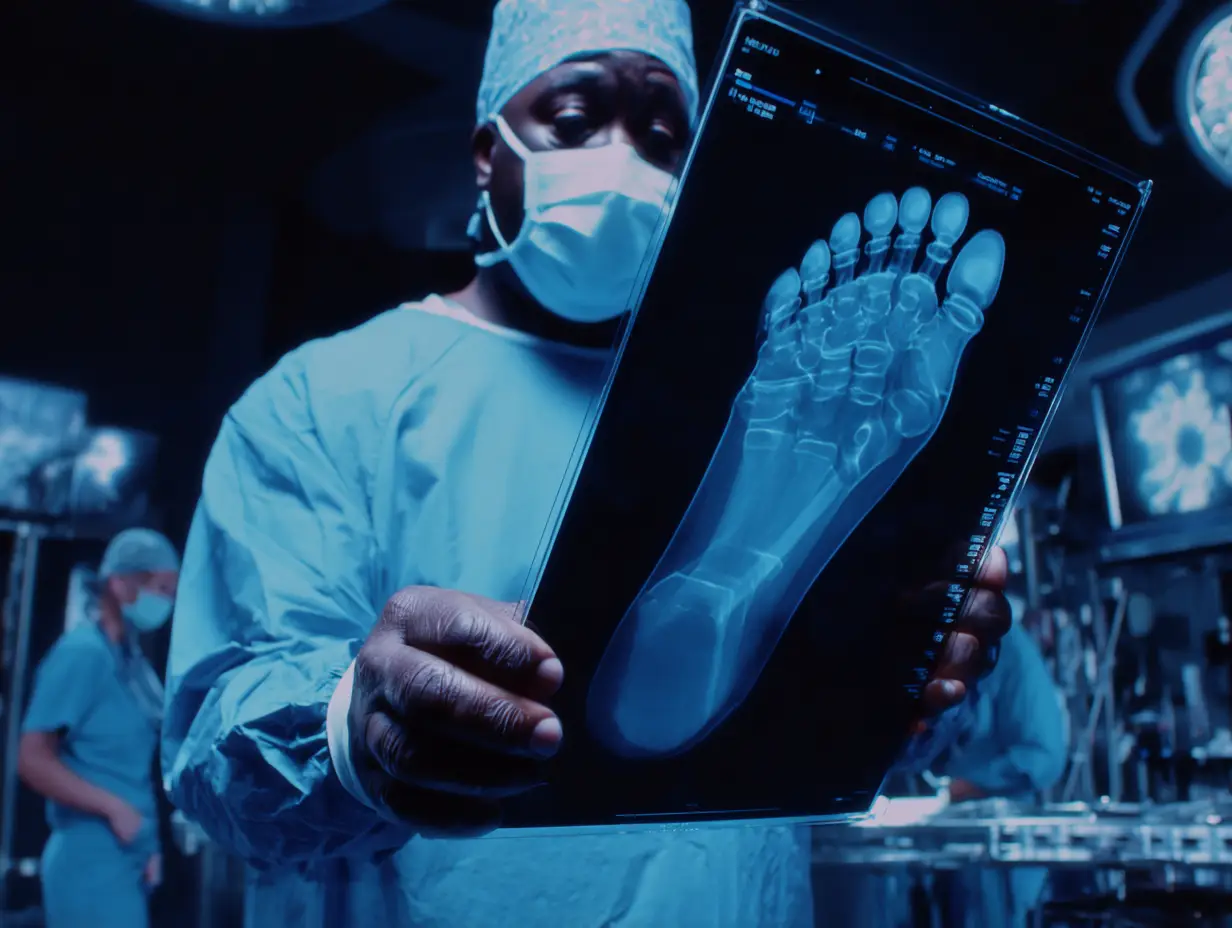
The Promise of a Breakthrough
When Cartiva was approved by the U.S. Food and Drug Administration (FDA) in 2016, it was marketed as a revolutionary alternative to joint fusion for treating hallux rigidus, or arthritis in the big toe. The device-a small, rubbery plug made of a hydrogel called polyvinyl alcohol (PVA)-was designed to act like natural cartilage, cushioning the joint and preserving movement. Unlike fusion, which permanently locks the joint, Cartiva claimed to keep the toe flexible while relieving pain.
Surgeons were enthusiastic, and patients desperate for relief saw hope. Early marketing materials boasted high success rates, quick recovery times, and minimal complications. For a while, it looked like Cartiva had changed the standard of care. You can read how this promise unraveled in Inside the Cartiva Lawsuits – What Lawyers Are Discovering About Device Failures.
Early Warning Signs Emerge
By 2018, reports began surfacing of patients experiencing pain, stiffness, and swelling months after surgery. Some described the same arthritis pain they had before-only worse. X-rays showed implants that had shifted, sunk into bone, or shrunk in size. In some cases, the surrounding bone had deteriorated, making revision surgery difficult.
Surgeons began documenting failures at rates much higher than those seen in early studies. What had been marketed as a “cutting-edge solution” was now leaving patients with worse outcomes than the condition they were trying to fix. You can find more detail on these patient experiences in The Real Cost of a Failed Cartiva Implant.
Dr. Alan Fitzgerald, a foot and ankle specialist, summarized it bluntly in a 2023 medical journal article:
“We were told Cartiva would be a game-changer. Instead, it became a frequent revision case. The implant simply doesn’t hold up to the forces of daily use.”
The Pain Behind the Data
For many patients, the physical and emotional toll of a failed implant has been devastating. A typical story involves initial optimism, a few months of relief, and then the slow return of pain-followed by another surgery, often a fusion to remove the implant and stabilize the joint. Many patients report losing work, mobility, and quality of life in the process.
One patient’s experience, documented in court filings, describes the disappointment many share: “I was told this would be my last surgery. Instead, it was just the beginning of years of pain and frustration.”
By 2024, stories like this were no longer isolated. Surgeons nationwide reported similar complications, leading to growing concern about the device’s safety and durability. Learn how fusion became the fallback in Cartiva vs Toe Fusion – Why Surgeons Are Returning to a Proven Approach.
The 2024 Recall and the Breaking Point
After mounting complaints, adverse event reports, and legal pressure, Stryker Corporation-which had acquired Cartiva, Inc.-issued a nationwide recall in October 2024. The company cited “performance concerns,” but internal documents and lawsuit allegations suggest that the issues were known long before the recall.
According to court filings, Stryker had received reports of implant migration and failure for years. Yet, the product remained on the market, and thousands more patients were implanted before the recall was announced. The recall came too late for those already living with chronic pain or facing costly revision surgeries. Full details of the recall and what it means for patients can be found in The Cartiva Implant Recall Explained.
What the Lawsuits Are Revealing
As of late 2025, hundreds of Cartiva lawsuits have been filed across the United States, and more are expected. Plaintiffs allege that Stryker and Cartiva, Inc. failed to conduct adequate testing, ignored early warning signs, and misled both surgeons and patients about the device’s long-term performance.
Discovery in these lawsuits has begun to uncover internal data showing failure rates far higher than what was reported in clinical studies submitted to the FDA. Some attorneys allege that the company’s engineers raised red flags about material durability and bone compatibility that were never made public.
Many expect these lawsuits to follow a path similar to other defective medical device cases, such as those involving hip implants or surgical mesh-ending in large settlements or potential multidistrict litigation (MDL) consolidation.
The Lessons of Cartiva’s Downfall
The story of Cartiva is not just about a failed implant-it’s about what happens when innovation outpaces safety. The device was launched with optimism. Patients became the real-world test subjects, and the results were disastrous for many.
The Cartiva episode highlights several key lessons for patients and the medical community:
- Fast-track approvals don’t always mean thorough safety testing.
- Marketing claims can overshadow real-world performance data.
- When complications arise, transparency is critical-but often delayed.
- Legal action plays a vital role in uncovering the truth and protecting future patients.
As more information emerges through ongoing lawsuits, the hope is that regulators and manufacturers will learn from these failures and put patient safety above profit. See Why the Cartiva Recall Could Be Bigger Than Anyone Expected for how these lessons may shape national litigation.
What Patients Can Do Now
If you have a Cartiva implant and are experiencing pain, swelling, or limited motion, don’t ignore it. Schedule an evaluation with a specialist who understands Cartiva failures. Imaging tests such as X-rays or MRIs can confirm whether your implant has moved or deteriorated. If revision surgery is needed, make sure your surgeon documents the findings-these records can be crucial for a potential legal claim.
Patients affected by failed implants may be entitled to compensation for medical costs, pain and suffering, lost income, and other damages. Consulting with a Cartiva lawsuit attorney can help determine your eligibility and ensure your claim is filed before legal deadlines expire. Learn more about deadlines and filing requirements in Is It Too Late to File a Cartiva Lawsuit?.
Looking Forward
The rise and fall of the Cartiva implant is a sobering reminder that innovation must never come at the expense of safety. While the promise of synthetic cartilage was compelling, its real-world results have left many patients worse off than before. For those harmed, the path forward begins with awareness, medical care, and holding the manufacturer accountable.
As lawsuits move forward and more facts come to light, one truth remains clear: when patients suffer because a company failed to test or warn, accountability is not just deserved-it’s necessary.
Injured by a Failed Cartiva Implant? Call Alonso Krangle, LLP Today
If your Cartiva Synthetic Cartilage Implant failed or you’re experiencing pain, swelling, or stiffness after surgery, Alonso Krangle, LLP can help. Our attorneys represent patients nationwide in claims against Stryker and Cartiva, holding them accountable for defective medical devices that cause lasting harm.
Call 800-403-6191 or contact Alonso Krangle, LLP online for a free, no-obligation consultation. There are no upfront fees, and you pay nothing unless we win your case.
Speak with An Attorney
Submit This Form or Call 800-403-6191