

How to Identify Ultra-Processed Foods
What Are Ultra-Processed Foods?
Ultra-processed foods are industrially manufactured items made by assembling ingredients like refined sugars, oils, and additives that have little or no resemblance to whole foods. These foods typically undergo multiple processes, including extrusion, molding, and chemical modification, to achieve a desired taste, texture, or shelf life.
Unlike minimally processed foods, such as frozen vegetables, ultra-processed items are designed to be hyper-palatable and convenient. Examples include sugary cereals, instant noodles, and pre-packaged snacks. Recognizing the difference between these categories is key to making informed dietary choices.
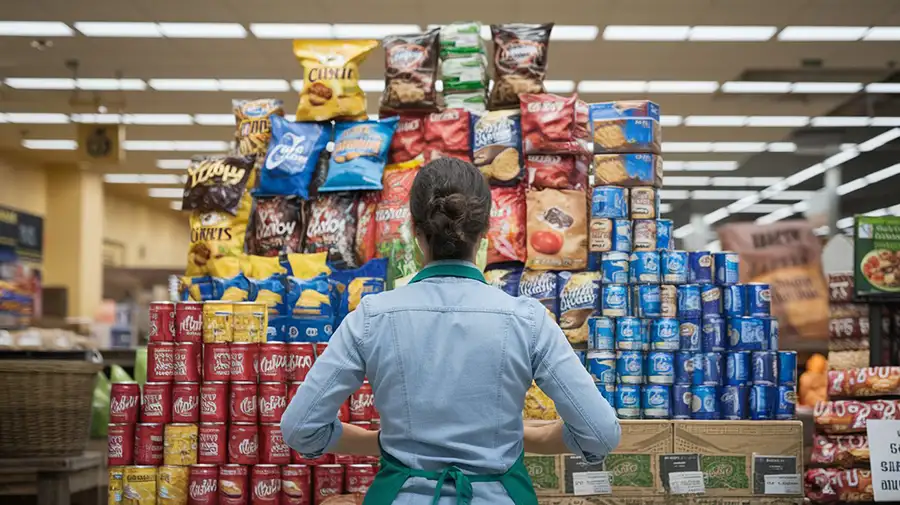
Consumers should also be cautious about products marketed as “low-fat” or “organic” that may still fall into the ultra-processed category due to added sugars and artificial flavors.
Common Features of Ultra-Processed Foods
Ultra-processed foods often share several common features that make them easy to spot. The presence of long ingredient lists filled with artificial substances like flavor enhancers, preservatives, and colorants is a strong indicator. For example, ingredients such as monosodium glutamate (MSG), high-fructose corn syrup, and hydrogenated oils frequently appear in these items.
Packaging is another clue. Ultra-processed foods are usually heavily marketed with bold claims like “fortified with vitamins” or “low calorie,” which aim to distract from their poor nutritional quality. These products are often sold in single-serve packages for convenience.
Their textures and flavors are engineered to create a “crave-worthy” experience, which can lead to overconsumption and potential health risks.
Why Avoid Ultra-Processed Foods?
Avoiding ultra-processed foods is crucial for maintaining long-term health. Studies have linked these foods to conditions such as obesity, type 2 diabetes, cardiovascular disease, and even certain cancers. Their high content of refined sugars, unhealthy fats, and sodium disrupts normal metabolic functions.
For instance, a diet high in ultra-processed foods has been shown to lead to chronic inflammation, a precursor to many illnesses. Additionally, these foods often lack essential nutrients like fiber, vitamins, and minerals.
Public awareness has grown thanks to lawsuits against major food manufacturers, accusing them of marketing addictive ultra-processed products to vulnerable populations, including children. Such cases highlight the importance of reducing consumption of these foods.
Examples of Ultra-Processed Foods
Ultra-processed foods come in many forms and are widely available in supermarkets, fast-food chains, and vending machines. Common examples include packaged snacks like chips, cookies, and crackers; frozen ready meals such as pizza and lasagna; and sugary beverages like soda and energy drinks. These products are often designed for convenience but come with a significant nutritional cost.
Even items marketed as “health foods” can fall into this category. Protein bars, flavored yogurts, and breakfast cereals may contain high amounts of sugar, artificial sweeteners, and emulsifiers, placing them firmly in the ultra-processed category. Reading labels carefully is essential to avoid being misled by health claims on packaging.
Additionally, fast-food staples like burgers, fries, and fried chicken are prime examples of ultra-processed items, often high in trans fats and sodium. Recognizing these foods is the first step toward reducing their presence in your diet.
Reading Labels to Spot Ultra-Processed Foods
Reading food labels is one of the most effective ways to identify ultra-processed products. Start by examining the ingredient list. If the list is lengthy and includes names you don’t recognize or can’t pronounce, it’s likely ultra-processed. Look for additives like artificial flavors, colorings, and preservatives.
Another indicator is the presence of refined ingredients such as high-fructose corn syrup, maltodextrin, or hydrogenated oils. These components are commonly used to enhance taste and texture while extending shelf life. Additionally, be cautious of terms like “natural flavors” or “modified starches,” which may mask extensive processing.
Labels that highlight bold claims such as “low fat” or “sugar-free” often rely on artificial substitutes, placing the product in the ultra-processed category. Awareness of these tricks can help you make healthier choices.
Impact of Additives and Preservatives
Many additives and preservatives in ultra-processed foods have been linked to negative health effects. For instance, artificial sweeteners like aspartame and sucralose have been scrutinized for their potential impact on gut health and metabolism. Similarly, preservatives like sodium nitrite, found in processed meats, have been associated with an increased risk of cancer.
Colorants and flavor enhancers, such as Red 40 or MSG, are added to improve appeal but can trigger allergies or sensitivities in some individuals. These ingredients are also designed to make foods more addictive, encouraging overconsumption.
While regulatory agencies set safety limits for these substances, long-term exposure through frequent consumption can compound health risks. Educating yourself about common additives and their effects is a critical step toward better health.
Steps to Reduce Ultra-Processed Foods in Your Diet
Reducing ultra-processed foods in your diet may seem challenging at first, but small, consistent changes can make a big difference. Start by focusing on whole, natural foods like fruits, vegetables, whole grains, and lean proteins. These items provide essential nutrients without the added sugars, unhealthy fats, or artificial ingredients found in ultra-processed products.
Cooking at home is another effective strategy. Preparing meals from scratch allows you to control the ingredients and avoid hidden additives. Simple swaps, like replacing store-bought salad dressings with homemade versions, can significantly reduce your intake of processed ingredients.
When grocery shopping, stick to the perimeter of the store, where fresh produce and whole foods are typically displayed. Avoid aisles filled with packaged snacks and ready-to-eat meals. By planning meals and snacks in advance, you can resist the convenience of ultra-processed options.
Encouraging a Shift to Whole, Natural Foods
Transitioning to a diet rich in whole, natural foods not only reduces your reliance on ultra-processed items but also improves overall health. Foods like fresh fruits, vegetables, nuts, seeds, and whole grains are naturally nutrient-dense and satisfying. Incorporating these into your meals can help curb cravings for processed alternatives.
Encourage gradual changes to make the shift sustainable. For example, replace sugary cereals with oatmeal topped with fresh fruit or swap soda for sparkling water infused with natural flavors. Experimenting with new recipes and ingredients can make healthy eating enjoyable and exciting.
Additionally, educating family members about the dangers of ultra-processed foods and involving them in meal preparation can create a supportive environment for healthier eating habits. Over time, these small adjustments can lead to significant long-term benefits.
Class Actions Related to Ultra-Processed Foods
The dangers of ultra-processed foods have not only sparked health debates but also led to legal actions against major food manufacturers. In recent years, several class action lawsuits have been filed, alleging that these companies knowingly marketed products with addictive additives and harmful ingredients. These lawsuits claim that manufacturers prioritize profits over public health, often targeting vulnerable populations such as children.
For example, lawsuits have accused companies of using the “cigarette playbook” to engineer foods that create dependency, leading to widespread health issues such as obesity, diabetes, and cardiovascular disease. These cases have highlighted the lack of transparency in labeling and the misleading marketing tactics that deceive consumers into believing these products are healthier than they truly are.
Such legal battles aim to hold companies accountable and push for stricter regulations to protect public health. If you feel that you or your family have been harmed by the consumption of ultra-processed foods, it’s important to explore your legal options.
Contact Alonso Krangle, LLP for Assistance
If you or a loved one has been negatively affected by the consumption of ultra-processed foods, Alonso Krangle, LLP is here to help. Our experienced attorneys understand the complexities of these cases and are dedicated to pursuing justice for individuals and families harmed by deceptive food manufacturing practices.
Don’t let these corporations profit at the expense of your health. Call us today at 800-403-6191 for a free consultation. Our team will evaluate your situation and discuss the potential for pursuing compensation. Take the first step toward holding these companies accountable and protecting your future health.
Speak with An Attorney
Submit This Form or Call 800-403-6191