

How to Report Nursing Home Abuse: Legal Steps and Protections for Families
Recognizing the Signs of Nursing Home Abuse
Recognizing the signs of nursing home abuse in New York (and nationwide) is the first step in protecting your loved one. Abuse can take many forms, including physical, emotional, sexual, and financial. Physical abuse may manifest as unexplained bruises, cuts, or broken bones. Emotional abuse can involve verbal threats, humiliation, or social isolation. Sexual abuse, though less common, is equally devastating and may be indicated by unexplained injuries, changes in behavior, or fearfulness. Financial abuse, which includes unauthorized use of a resident’s funds or assets, is often harder to detect but may be evidenced by sudden financial changes or missing belongings. Whatever the form, taking prompt action is critical in protecting your loved ones’ health and well-being.
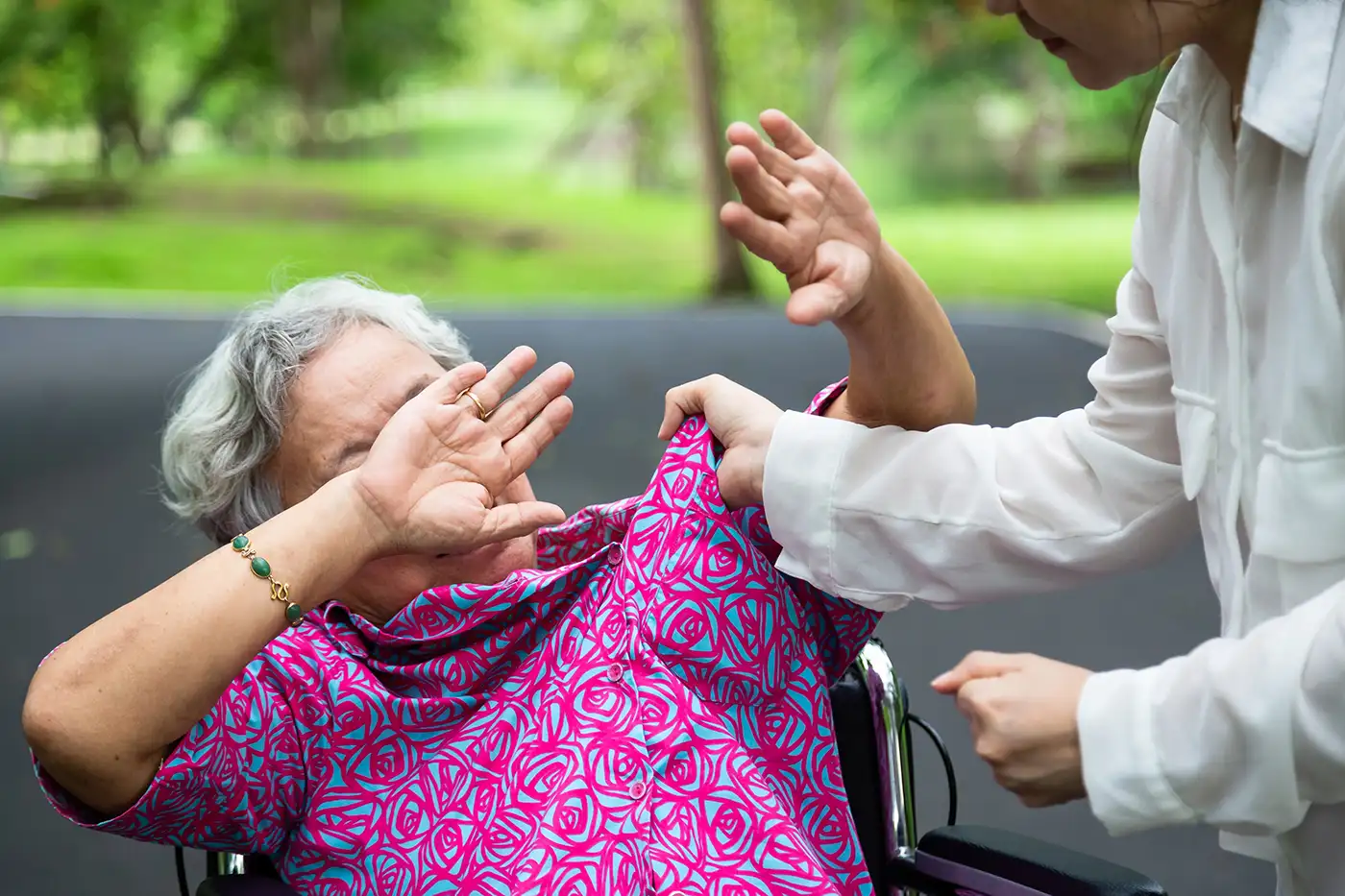
Early detection of nursing home abuse is critical to preventing further harm. Many residents may not speak out due to fear, cognitive impairments, or a lack of understanding of their rights. Others may blame themselves and their declining health for actions taken against them.
Families and caregivers must be vigilant in observing changes in their loved one’s physical appearance, behavior, or financial situation. Subtle signs, such as increased anxiety, withdrawal from social activities, or a sudden reluctance to speak openly, can be red flags that something is wrong.
Knowing these signs, you can quickly address any suspected abuse. Reporting nursing home abuse as soon as it is detected not only protects the resident involved but can also prevent further incidents from occurring. Understanding what to look for is essential to safeguarding the well-being of nursing home residents.
Understanding Your Legal Obligations and Rights
In New York, specific individuals are legally required to report nursing home abuse. These mandated reporters include healthcare professionals, social workers, and nursing home staff. If you are a mandated reporter and fail to report known or suspected abuse, you could face legal consequences, including fines and disciplinary action. However, even if you are not a mandated reporter, it is still crucial to take action if you suspect abuse. Reporting abuse is a moral obligation that can protect your loved one and other residents from further harm.
New York law also provides protections for those who report abuse. Whistleblowers are safeguarded against retaliation by the nursing home or its staff. This means that if you report abuse, you cannot legally be threatened, harassed, or punished for coming forward. The law prioritizes the safety and well-being of the residents, and reporting abuse is a critical component of upholding these protections.
Understanding your rights as a family member or caregiver is also important. You have the right to advocate for your loved one’s safety and to report any concerns without fear of retaliation against your family member.
How to Report Nursing Home Abuse
If you suspect nursing home abuse, it is essential to know the proper steps to take when reporting it. The first step is to report your concerns to the nursing home management. Document your observations and concerns in writing, including any incidents’ dates, times, and details. Request a meeting with the facility’s administration to discuss your concerns and ensure they take appropriate action. List each and every concern in writing, and retain a copy of the document for yourself.
Further action is needed if the facility does not address the issue or if you believe the situation is urgent.
You can file a formal complaint with the New York State Department of Health, which oversees nursing home regulations and investigates abuse claims. The complaint can be filed online, by phone, or in writing. Be prepared to provide detailed information about the abuse, including the names of those involved, the nature of the abuse, and any evidence you have gathered. The Department of Health is required to investigate all complaints and take corrective action if necessary.
In addition to reporting to the Department of Health, you may contact local law enforcement if the abuse involves criminal activity, such as assault or theft. Law enforcement can conduct a criminal investigation and, if warranted, press charges against the abuser. Taking these steps ensures that your concerns are addressed promptly and that the appropriate authorities are involved in protecting your loved one.
What Happens After a Report is Filed
Once a nursing home abuse report is filed, the New York State Department of Health or the relevant agency will initiate an investigation. The investigation process typically involves interviews with the resident, staff, and other witnesses and a review of medical records, facility logs, and other documentation. The goal is to determine whether abuse occurred and, if so, to identify the responsible parties and take corrective action.
During the investigation, the facility may be required to implement immediate changes to protect the resident from further harm. This could include suspending or terminating the staff member, increasing supervision, or making policy changes. In severe cases, the facility may face fines, penalties, or even the loss of its operating license. The outcome of the investigation depends on the findings and the severity of the abuse.
As a family member, you have the right to be informed about the progress and outcome of the investigation. The investigating agency should provide you with updates and a final report detailing their findings and any actions taken. If you are not satisfied with the outcome, or if the abuse continues, you may need to consider further legal action to ensure your loved one’s safety and well-being.
The Role of an Attorney in Reporting and Addressing Nursing Home Abuse
Engaging an attorney is often essential when dealing with nursing home abuse. Our firm can help you report abuse, gather evidence, protect your loved one’s rights, file reports with authorities, represent your family in meetings with nursing home management, and take legal action if necessary, significantly impacting the outcome of the case.
An attorney can also pursue compensation for the harm your loved one has suffered. This may include compensation for medical expenses, pain and suffering, emotional distress, and other damages related to the abuse. Holding the facility accountable through legal action not only seeks justice for your loved one but also helps prevent similar abuse from happening to others.
If you suspect nursing home abuse, do not wait to seek legal advice. Our firm is committed to fighting for the rights of nursing home residents and ensuring that those responsible for abuse are held accountable. We are here to guide you through the process and to advocate for your loved one’s safety and dignity.
Have Concerns About Nursing Home Abuse? Call Alonso Krangle, LLP
If your loved one has been a victim of nursing home abuse in New York, it is crucial to take immediate action to protect their rights. At Alonso Krangle, LLP, we are dedicated to helping families navigate the complexities of reporting abuse and pursuing legal action against negligent facilities. Our experienced attorneys are ready to discuss your case, provide guidance, and fight for the justice your loved one deserves.
Call 800-403-6191 today to speak with an attorney about your nursing home abuse case. We offer free consultations and help you explore your legal options. You can also submit a form online to schedule a consultation. Do not wait – contact us now to protect your loved one and ensure they receive the justice and compensation they deserve.
Speak with An Attorney
Submit This Form or Call 800-403-6191