

Identifying and Reporting Nursing Home Abuse in New York
Recognizing and Reporting Nursing Home Abuse in New York: Essential Knowledge for Families
Nursing home abuse is a serious issue affecting vulnerable seniors across New York State. Recognizing the signs of abuse or neglect and knowing how to report it are crucial steps in protecting our elderly loved ones. This comprehensive guide will help you identify potential abuse, understand the reporting process, and learn about the legal protections in place for those who speak up against mistreatment in New York’s long-term care facilities.
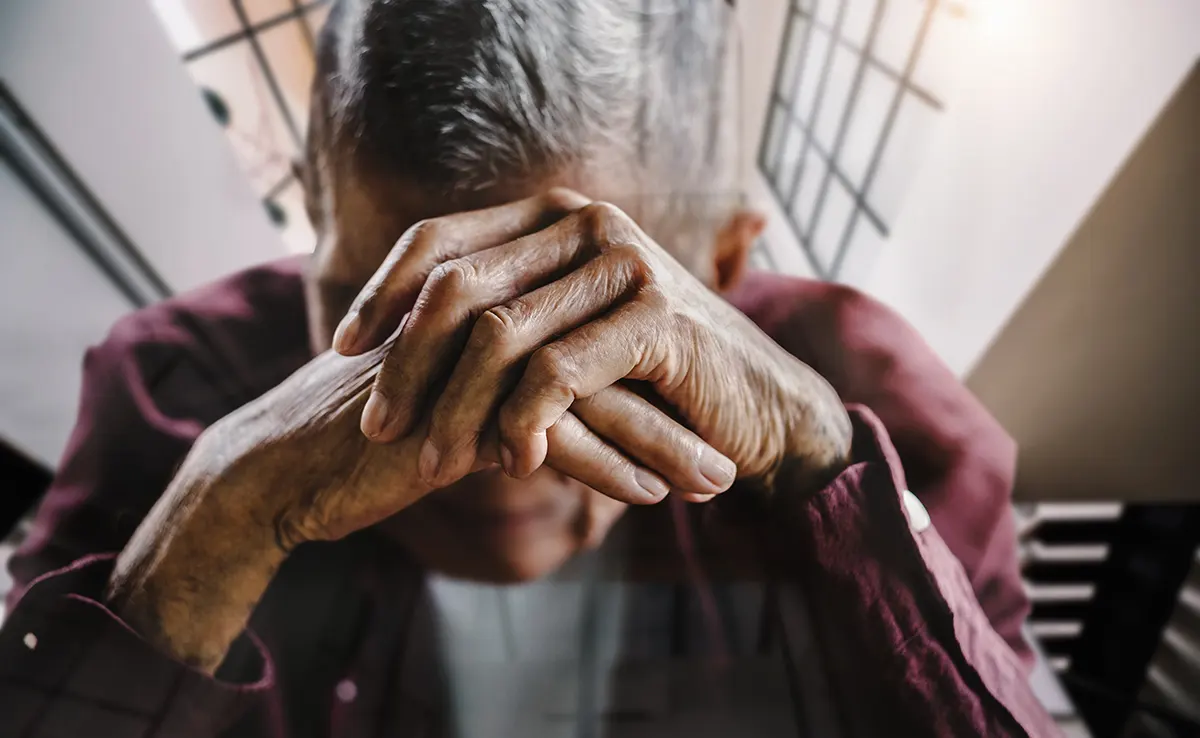
How to Recognize Potential Abuse or Neglect in New York Nursing Homes
Identifying nursing home abuse requires vigilance and attention to subtle changes in your loved one’s behavior or physical condition. Common signs of abuse or neglect in New York nursing homes include:
- Unexplained bruises, welts, or fractures
- Sudden changes in behavior or emotional state
- Malnourishment or dehydration
- Presence of bedsores or pressure ulcers
- Poor personal hygiene or unsanitary living conditions
- Unexplained financial transactions or missing personal items
It’s important to note that while these signs don’t always indicate abuse, they warrant further investigation and potentially reporting to the appropriate authorities.
Steps to Report Suspected Abuse in New York Nursing Homes
If you suspect abuse or neglect in a New York nursing home, it’s crucial to report it promptly. The New York State Department of Health provides several avenues for reporting:
- Call the Nursing Home Complaint Hotline at 1-888-201-4563
- Fill out the online Nursing Home Complaint Form on the Department of Health website
- Print and mail the Nursing Home Complaint Form to the provided address
- Fax the completed form to 518-408-1157
- Email the scanned form to nhintake@health.ny.gov
When filing a report, be as detailed as possible, including dates, times, and specific incidents. Remember, complaints can be made anonymously, and all reports are kept confidential.
Mandatory Reporting Laws in New York
New York has strict mandatory reporting laws for suspected elder abuse, including in nursing homes. Certain professionals are required by law to report suspected abuse, neglect, or exploitation. These mandated reporters include:
- Healthcare professionals
- Social workers
- Law enforcement officers
- Nursing home staff members
Failure to report suspected abuse can result in legal consequences for mandated reporters. However, it’s important to note that anyone can and should report suspected abuse, even if they’re not legally required to do so.
Whistleblower Protections in New York Nursing Homes
New York law provides protections for individuals who report suspected abuse or neglect in nursing homes. These whistleblower protections are designed to encourage reporting without fear of retaliation. Key aspects of these protections include:
- Protection from employment discrimination or retaliation for reporting abuse
- Confidentiality of the reporter’s identity
- Legal recourse if retaliation occurs
These protections apply to both employees of nursing homes and members of the public who report suspected abuse.
Taking Action: Your Role in Preventing Nursing Home Abuse
Identifying and reporting nursing home abuse is a critical step in protecting vulnerable seniors in New York. By staying vigilant, knowing the signs of abuse, and understanding the reporting process, you can play a vital role in ensuring the safety and well-being of nursing home residents.
If you suspect abuse or neglect in a New York nursing home, don’t hesitate to report it. Your action could prevent further harm and potentially save lives. Remember, the New York State Department of Health is there to investigate complaints and take appropriate action to protect nursing home residents.
For legal assistance or guidance in dealing with suspected nursing home abuse in New York, consider reaching out to experienced elder law attorneys who can help navigate the complexities of these cases and ensure your loved one’s rights are protected.
Speak with An Attorney
Submit This Form or Call 800-403-6191