

The Legal Implications of Medical Device Failures in Robotic Surgery
The Legal Implications of Medical Device Failures in Robotic Surgery
Robotic-assisted surgery has revolutionized modern medicine, offering enhanced precision and minimally invasive techniques. However, when medical device failures occur, patients may suffer severe complications, leaving them with long-term health consequences and financial burdens. Understanding the legal landscape surrounding these failures is essential for those affected by defective robotic surgical devices, such as faulty surgical staplers .
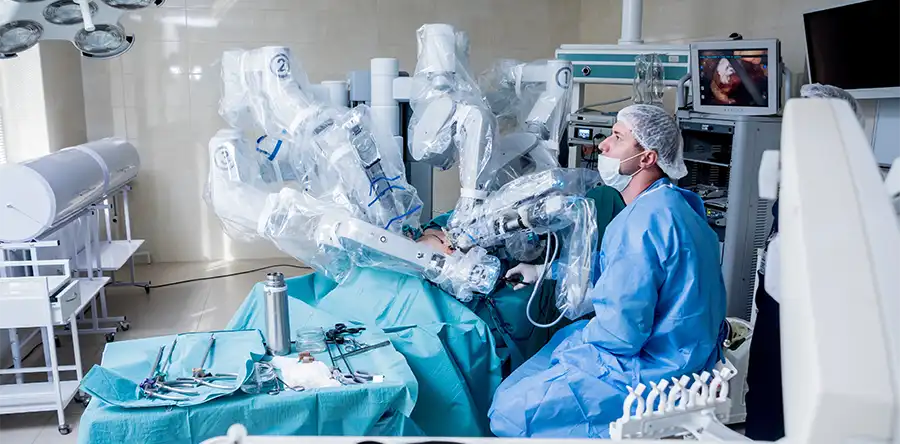
Understanding Medical Device Failures in Robotic Surgery
Robotic surgery relies on highly advanced medical devices, including staplers, cameras, and robotic arms, all of which must function flawlessly to ensure patient safety. When these devices fail due to design defects, manufacturing errors, or software malfunctions, patients can experience serious injuries, including:
- Excessive bleeding from improperly formed staples
- Staple line leaks leading to infections and sepsis
- Incomplete suturing, causing internal organ damage
- Delayed surgeries or failed procedures requiring additional interventions
For example, the Da Vinci Xi/X Sureform 45/60 Stapler was recalled after reports of engagement failures, raising concerns about patient safety and manufacturer responsibility.
Manufacturer Liability for Defective Medical Devices
Manufacturers of medical devices have a legal duty to ensure their products are safe before they reach the market. When a device fails, patients may have grounds to hold the manufacturer accountable under product liability laws. These cases typically fall under three categories:
- Design Defects : The product was inherently dangerous even before it was manufactured.
- Manufacturing Defects : Errors occurred during production, leading to a malfunctioning device.
- Failure to Warn : The manufacturer did not provide adequate warnings or instructions about the risks associated with the device.
For instance, if a surgical stapler was defectively designed and caused internal bleeding, the manufacturer could be liable for the injuries resulting from its failure.
Legal Avenues for Patients Injured by Defective Robotic Surgery Devices
Patients harmed by robotic surgery lawsuits may pursue compensation through different legal claims, including:
- Product Liability Lawsuits : Seeking damages against the manufacturer for a defective product.
- Medical Malpractice Claims : If a surgeon improperly used the device despite known issues.
- Class Action Lawsuits : If multiple patients were harmed by the same device failure.
Legal action may result in compensation for medical expenses, lost wages, pain and suffering, and other damages related to the injury.
Steps to Take If You Have Been Harmed by a Medical Device Failure
If you or a loved one has suffered complications due to a defective robotic surgical device, consider taking the following steps:
- Seek Immediate Medical Attention : Ensure your injuries are properly diagnosed and treated.
- Preserve Evidence : Keep all medical records, surgery reports, and any communication with healthcare providers.
- Research Recalls : Check if the device involved in your procedure has been recalled or flagged for safety concerns.
- Consult with an Attorney : A legal professional can help determine if you have grounds for a lawsuit.
Know Your Rights and Take Legal Action
Patients who suffer harm due to medical device failures have legal rights and may be entitled to compensation. If you believe a defective surgical stapler injury or other robotic surgery device failure caused you harm, our firm can help you navigate the legal process and pursue justice.
Contact Alonso Krangle, LLP today for a consultation. Call 800-403-6191 or fill out our online form to discuss your case with our attorneys.
Speak with An Attorney
Submit This Form or Call 800-403-6191