

Medication Errors in Long Island Nursing Homes
Medication Errors in Long Island Nursing Homes: An Urgent Threat
Families trust nursing homes to deliver safe medical care, but medication mistakes can cause devastating harm. On Long Island, the growing crisis of medication errors is one of the most alarming forms of nursing home neglect.
Errors range from missed doses to dangerous drug interactions, and these mistakes are rarely just accidents. In many cases, they stem from systemic understaffing, poor oversight, or reckless cost-cutting decisions by nursing home operators.
If your loved one in Nassau or Suffolk County has been harmed, you have a legal right to act. Understanding how these errors occur and the laws that protect nursing home residents is critical to protecting your family.
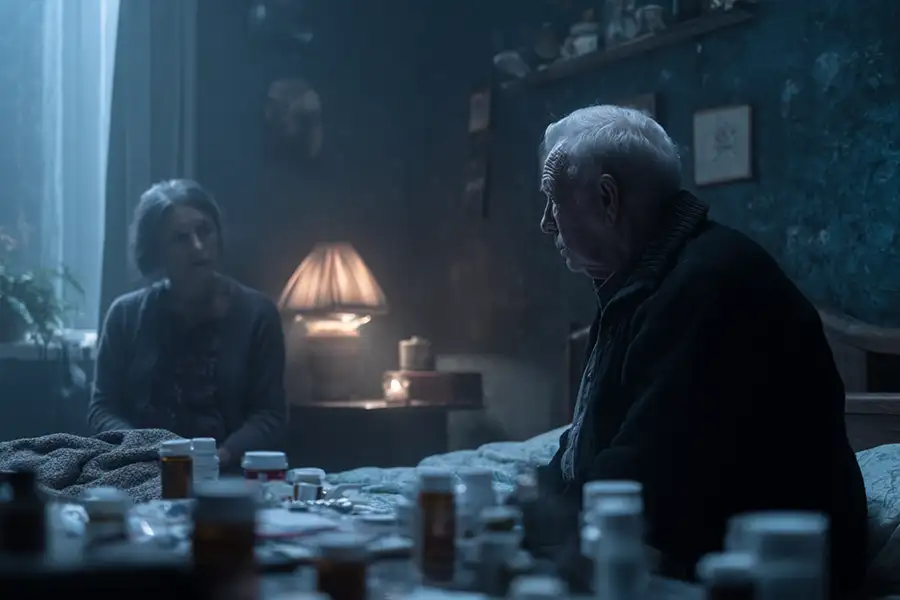
Families across Long Island are sounding the alarm about improper medication practices-now is the time to demand accountability and safety.
Common Types of Medication Errors in Nursing Homes
Medication mistakes come in many forms, each posing unique dangers to elderly residents. Recognizing them early is essential to preventing permanent harm.
Typical examples include missed doses, wrong medications, incorrect timing, or overdosing. Elderly residents are especially vulnerable because they often rely on multiple prescriptions to manage chronic conditions.
Some of the most dangerous errors include:
- Administering the wrong drug to a resident
- Mixing medications that cause harmful interactions
- Giving an improper dosage-too high or too low
- Failure to monitor side effects or allergic reactions
These mistakes are not harmless-they can trigger falls, strokes, organ damage, or even wrongful death. When such errors occur, families must step in immediately to protect their loved one.
Warning Signs Your Loved One May Be a Victim
Families are often the first to spot when something is wrong. Unexplained changes in behavior or health may point directly to nursing home neglect.
Watch for sudden confusion, unsteady walking, unusual drowsiness, or unexplained hospitalizations. These could signal dangerous medication mishandling. Other red flags include residents receiving unfamiliar pills or skipped treatments.
Because many seniors cannot advocate for themselves, these small warning signs can be life-saving for families who take action quickly.
If staff dismiss your concerns or fail to provide accurate medication logs, it’s a serious indicator of deeper problems at the facility.
Medication Errors and Understaffing on Long Island
Understaffing is one of the leading causes of nursing home medication errors. In both Nassau and Suffolk counties, families frequently report staff shortages leading to rushed or incomplete medical care.
When one nurse is responsible for dozens of residents, mistakes become inevitable. Pills may be handed out without proper checks, records may be skipped, and essential monitoring may never occur.
This pattern of neglect has been documented in state investigations and Attorney General lawsuits, where facilities prioritized profits over resident safety.
Staffing shortages don’t excuse medication mistakes-they are a sign that the nursing home is violating its duty of care to vulnerable residents.
Legal Protections for Nursing Home Residents
New York law provides strong protections for nursing home residents harmed by medication errors. Families should know these rights to take swift action.
Under CPLR § 214, victims generally have three years to file a personal injury lawsuit. If the nursing home is county-owned, families must also file a Notice of Claim under General Municipal Law § 50-e within 90 days, and lawsuits must comply with General Municipal Law § 50-i.
Additionally, Public Health Law § 2801-d allows residents to sue nursing homes that deprive them of legally protected rights. This statute specifically covers cases where facilities fail to provide safe medical care.
Families should act quickly to preserve evidence and safeguard their ability to hold negligent facilities accountable.
Steps Families Can Take Immediately
When you suspect a medication error, immediate action is essential. Start by requesting a complete medication log and compare it with your loved one’s prescriptions.
If staff resist transparency, escalate by contacting the New York State Department of Health. You can also file a complaint with the Attorney General’s office, which has investigated similar abuses statewide in recent cases.
Families should also consult with experienced elder neglect lawyers to protect legal rights and secure compensation for harm done. At this stage, contacting Alonso Krangle LLP at 800-403-6191 can provide immediate legal guidance and protection for your loved one.
Taking swift action not only helps your loved one but can also prevent other residents from suffering the same fate.
Compensation Available for Victims
Victims of medication errors in Long Island nursing homes may be entitled to compensation. This can include payment for medical expenses, pain and suffering, and emotional trauma.
In severe cases, compensation may extend to wrongful death claims, where families can recover damages for funeral costs and the loss of companionship.
Civil lawsuits not only provide financial relief but also pressure negligent facilities to improve safety. Courts can award damages that make it clear nursing homes cannot cut corners with resident care.
Families who pursue compensation send a powerful message: abuse and neglect in Nassau and Suffolk County facilities will not go unpunished.
Frequently Asked Questions About Medication Errors
What are common signs of medication errors in nursing homes?
Sudden confusion, unusual drowsiness, or unexplained hospital visits are warning signs. Families should also watch for skipped doses or unfamiliar pills.
How long do I have to file a lawsuit in New York?
You generally have three years under CPLR § 214. If the facility is publicly owned, a Notice of Claim must be filed within 90 days.
Who regulates nursing homes on Long Island?
The New York State Department of Health oversees nursing homes. The Attorney General’s office also investigates facilities accused of neglect or abuse.
Can medication errors lead to financial exploitation?
Yes, misuse of medication is sometimes tied to financial abuse. Overmedication can make residents more vulnerable to theft or coercion.
What compensation is available after a medication error?
Victims may recover medical costs, pain and suffering, and emotional distress. Families in wrongful death cases may also pursue damages for their loss.
How can families prevent medication errors?
Families should request medication logs, ask questions, and visit often. Frequent oversight reduces the chance of dangerous mistakes being hidden.
Who should I contact if I suspect a medication error?
Start with the nursing home’s administration, then report to the Department of Health. You may also seek help from nursing home attorneys.
Take Action Today to Protect Your Loved One
Medication errors are never acceptable. They represent a serious breach of trust and a direct threat to the health of vulnerable residents. Families across Long Island, including Nassau and Suffolk counties, must act quickly when signs of negligence appear.
By reporting abuse, demanding accountability, and pursuing legal claims, you can protect your loved one and prevent others from suffering the same harm. The law is on your side, but the deadlines are strict-don’t wait until it’s too late.
If you suspect your loved one is a victim of a medication error, contact Alonso Krangle LLP at 800-403-6191 today. Immediate action can save lives and secure the justice your family deserves.
Speak with An Attorney
Submit This Form or Call 800-403-6191