

Medication Errors in Nursing Homes: Protect Seniors on Long Island
Medication Errors in Long Island Nursing Homes
Families across Long Island trust nursing homes to provide safe medical care for their loved ones. Unfortunately, medication errors are one of the most dangerous and preventable forms of nursing home neglect. These mistakes can lead to overdoses, missed doses, and harmful drug interactions, putting elderly residents at serious risk.
In facilities across Nassau and Suffolk County, medication management failures have led to unnecessary hospitalizations, long-term health decline, and even wrongful death. These cases are not rare-reports from the New York State Department of Health confirm that medication-related violations remain a recurring problem in nursing homes statewide.
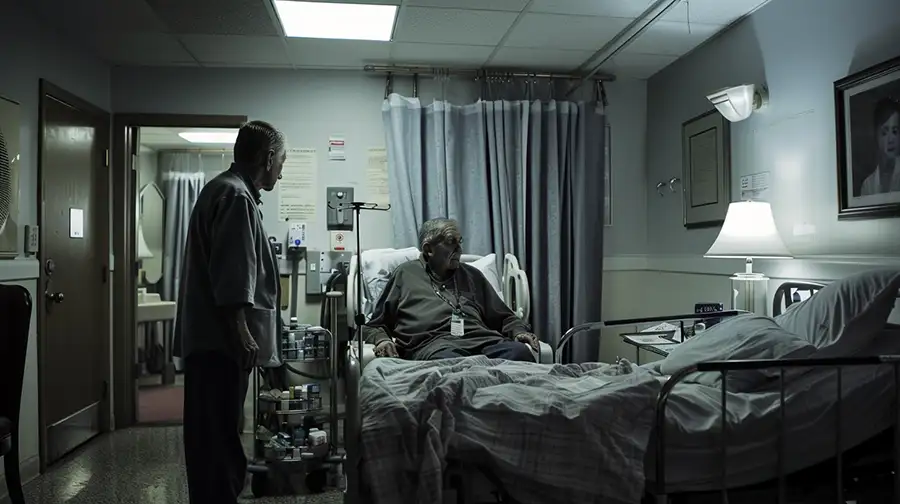
Understanding the causes and legal implications of these errors helps families protect their loved ones and hold negligent facilities accountable. The following sections examine the most common types of medication mistakes and what families can do if they suspect abuse or neglect.
Overdoses: When Too Much Medication is Given
Overdosing happens when staff administers more than the prescribed dosage. In a nursing home setting, this is often the result of poor recordkeeping, rushed medication passes, or unqualified staff distributing drugs. Overdoses can cause seizures, respiratory distress, or fatal complications in frail residents.
For example, sedatives or opioids given in excessive amounts may lead to unconsciousness or respiratory failure. Such errors frequently occur in understaffed facilities, where one nurse may be responsible for dozens of patients at once. According to Nassau County elder abuse cases, medication overdoses often overlap with other neglect, such as failure to monitor vital signs.
Families should watch for sudden lethargy, confusion, or unexplained medical crises, which may point to an overdose. Prompt documentation and medical review are essential steps in identifying abuse.
Missed Medication Doses and Their Consequences
Missed doses can be just as harmful as overdoses. Skipping prescribed medication can worsen chronic conditions such as diabetes, high blood pressure, or heart disease. In many instances, residents are left without critical medications because of scheduling errors or inadequate staffing.
Missed doses are particularly dangerous in residents with strict medication regimens, such as those taking anticoagulants or insulin. In Melville nursing home neglect cases, families have reported residents suffering strokes or diabetic emergencies due to staff negligence.
Warning signs of missed doses include sudden health deterioration, unexplained hospitalizations, or repeated excuses from staff about medication “delays.” Families should request medication administration records (MARs) to confirm whether medications are being properly provided.
Dangerous Drug Combinations and Interactions
Polypharmacy-the use of multiple medications-is common in nursing homes, but it comes with risks. Dangerous drug interactions can occur when staff fail to review prescriptions or consult with physicians. Some combinations cause confusion, dizziness, or dangerous drops in blood pressure, leading to falls or hospitalizations.
In Suffolk County, families have raised concerns about nursing home neglect tied to harmful drug mixes. When residents receive medications from different doctors, a lack of oversight can create life-threatening consequences.
Facilities are legally required under New York’s Public Health Law § 2801-d to ensure safe medical treatment. Failure to prevent harmful drug interactions can form the basis for a legal claim.
Medication Errors as a Form of Neglect
Medication mistakes are not isolated accidents; they are often linked to broader patterns of nursing home neglect. Overcrowded facilities, poor training, and financial mismanagement contribute to systemic failures in resident care.
The New York Attorney General has investigated nursing homes accused of diverting funds away from resident care, leaving staff unable to provide safe treatment. These systemic problems affect families in both Nassau and Suffolk counties and highlight the importance of accountability.
Neglect can lead to multiple types of harm, including bedsores, malnutrition, and repeated falls, all of which compound the danger of medication errors.
Legal Rights of Nursing Home Residents in New York
Under New York law, residents harmed by medication errors may pursue civil remedies. CPLR § 214 generally provides a three-year statute of limitations for personal injury claims, while General Municipal Law § 50-e requires a Notice of Claim within 90 days if the nursing home is municipally run.
Additionally, General Municipal Law § 50-i outlines deadlines for lawsuits against public facilities, and Public Health Law § 2801-d creates a direct right of action against nursing homes that violate residents’ rights.
These statutes provide families with legal pathways to hold facilities accountable, but strict deadlines make early consultation with an attorney essential.
Financial Exploitation and Medication Misuse
Medication errors can also overlap with financial exploitation. Some facilities overbill Medicaid or Medicare for medications never administered or substitute cheaper drugs for prescribed treatments. This form of fraud not only cheats taxpayers but also endangers residents.
Recent financial exploitation cases on Long Island show how neglect and fraud often occur together. Families must remain vigilant against both physical harm and financial misconduct.
Reporting suspicious billing and demanding detailed explanations of charges can help uncover fraudulent practices that put residents at risk.
How Families Can Identify Medication Errors
Families play a crucial role in detecting mistakes. Warning signs include sudden changes in behavior, repeated hospitalizations, or unexplained medical emergencies. Reviewing medical charts and speaking with pharmacists can reveal discrepancies in care.
Families should also look for inconsistencies in staff explanations, missing pill counts, or unrecorded dosages. Facilities are required to maintain accurate MARs, and families have the right to request copies. If staff refuse, this may be a red flag for neglect.
Proactive monitoring and regular visits are among the most effective tools for protecting residents from harm.
Steps to Take if You Suspect Abuse
If you believe your loved one suffered from a medication error, immediate steps should be taken. First, document everything-symptoms, staff responses, and medical records. Next, file a complaint with the New York State Department of Health.
You may also contact the legal process reporting system to ensure that complaints are formally investigated. In cases involving fraud or systemic neglect, the New York Attorney General’s Office may become involved.
Finally, consult an experienced Long Island nursing home abuse lawyer to preserve your legal rights and pursue compensation for harm suffered.
Compensation Available for Victims
Victims of medication errors may recover compensation for medical expenses, pain and suffering, and long-term care needs. In wrongful death cases, families may also pursue damages for funeral costs and loss of companionship.
Courts may also award punitive damages in cases involving reckless disregard for resident safety. These cases not only provide financial relief but also pressure nursing homes to reform unsafe practices.
A mid-case consultation with an attorney can help families evaluate their options and begin the process of securing justice.
Preventing Medication Errors in Nursing Homes
Prevention begins with staffing and training. Nursing homes must employ licensed professionals, use electronic medication tracking systems, and ensure regular physician oversight. Families can help by asking questions about medication policies during visits.
Simple steps like maintaining a personal log of a loved one’s prescriptions and cross-checking with facility records can expose early warning signs of neglect. Advocacy groups recommend unannounced visits and frequent communication with staff to ensure accountability.
By staying proactive, families in Nassau and Suffolk counties can reduce the risk of their loved ones falling victim to medication mistakes.
Frequently Asked Questions
What are common signs of medication errors in nursing homes?
Sudden confusion, lethargy, or repeated hospitalizations may indicate medication mistakes. Families should request medical records to confirm whether drugs were given correctly.
How long do I have to file a claim for medication errors?
In New York, families typically have three years under CPLR § 214 to file. If the facility is municipally operated, a Notice of Claim must be filed within 90 days.
Who can be held liable for medication mistakes?
Nursing homes, individual staff members, and supervising physicians may all face liability. Liability depends on the circumstances and whether negligence or systemic issues were involved.
What compensation is available to victims of nursing home medication errors?
Victims may receive compensation for medical bills, pain, and emotional suffering. In cases of wrongful death, families may pursue funeral costs and loss of companionship.
How can families prevent medication mistakes in nursing homes?
Families can monitor prescriptions, ask for MARs, and visit frequently to check care. Oversight and communication reduce the chances of undetected errors.
What role does the NY Attorney General play in nursing home cases?
The Attorney General investigates fraud and neglect in nursing homes across New York. These actions have exposed systemic failures in both Nassau and Suffolk facilities.
Are medication errors considered neglect under New York law?
Yes, medication mistakes are a recognized form of nursing home neglect. Under Public Health Law § 2801-d, residents can sue facilities that violate their rights.
Call Alonso Krangle Today – Fighting for Victims of Nursing Home Neglect
Medication errors in nursing homes are preventable tragedies. Families in Nassau and Suffolk counties must remain vigilant, advocate for their loved ones, and hold facilities accountable. If you suspect neglect, take immediate action by reporting concerns and seeking legal advice.
Our Long Island nursing home attorneys at Alonso Krangle, LLP are here to help families fight back against negligence. Contact us today at 800-403-6191 or complete the form on this page for a free consultation to protect your loved one’s rights and safety.
Speak with An Attorney
Submit This Form or Call 800-403-6191