

Nursing Home Abuse – A Global Perspective
Nursing Home Abuse – A Global Perspective
Nursing home abuse is a worldwide crisis that affects elderly and vulnerable individuals across different cultures, legal systems, and economic backgrounds. While some countries have strict regulations and oversight mechanisms, others lack adequate protections, leaving millions of seniors at risk of mistreatment, neglect, and even financial exploitation. Understanding the global scope of nursing home abuse is essential to driving reforms and ensuring better care for the elderly.
From the United States to Europe, Asia, and developing nations, cases of elder abuse in care facilities have highlighted the urgent need for improved standards, stricter regulations, and stronger enforcement. While laws vary, one common thread remains: the abuse of seniors in care homes is a human rights violation that must be addressed. In this article, we explore the different facets of nursing home abuse worldwide and what can be done to protect vulnerable individuals.
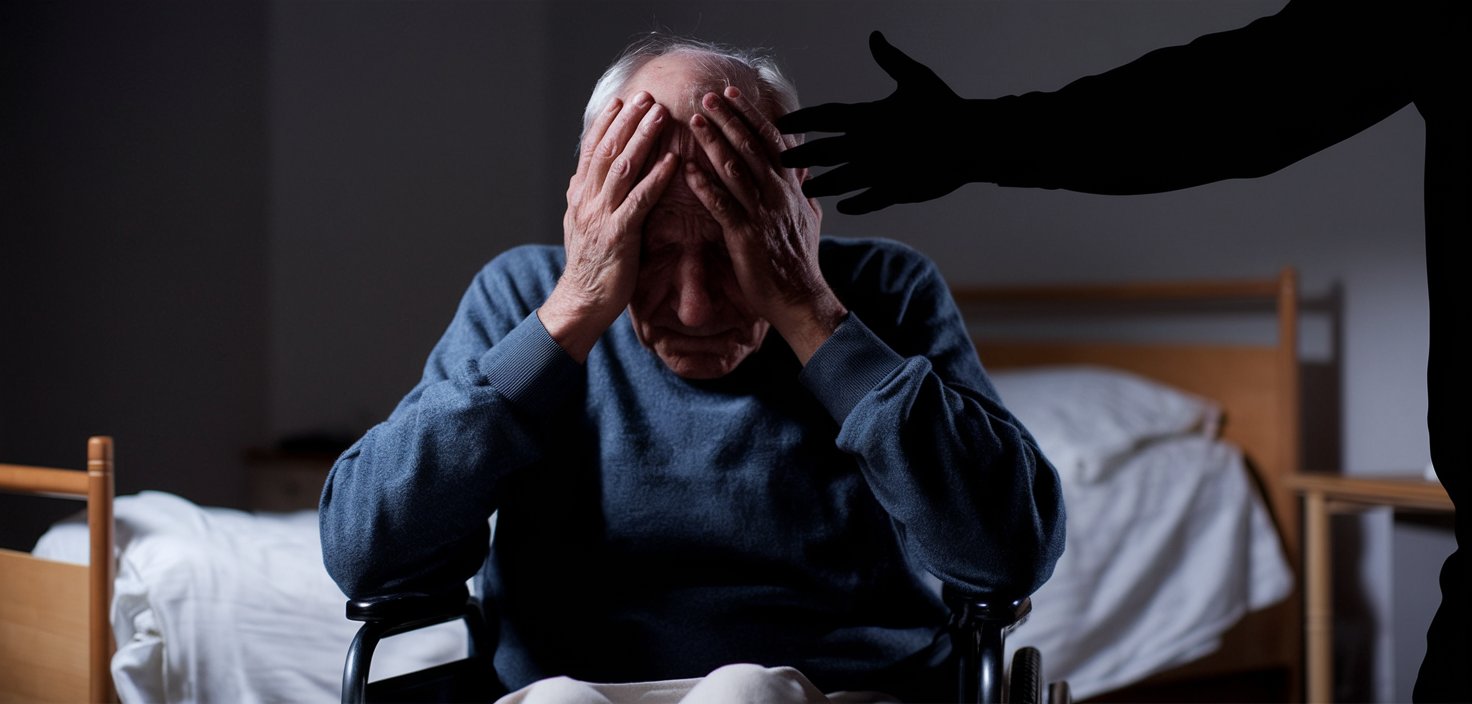
The Prevalence of Nursing Home Abuse Around the World
The prevalence of nursing home abuse is difficult to quantify, as many cases go unreported due to fear, cognitive impairment, or lack of oversight. However, global studies indicate that between 10% to 20% of elderly individuals in long-term care settings experience some form of abuse or neglect. These figures are likely underestimates due to underreporting and the hidden nature of mistreatment.
According to a report by the World Health Organization (WHO), elderly abuse in care settings includes physical, emotional, financial, and sexual abuse, as well as neglect. In many countries, cultural norms and inadequate legal protections contribute to the problem. Some key statistics include:
- United States: Reports suggest that as many as 1 in 3 nursing home residents experience some form of abuse.
- United Kingdom: A Care Quality Commission report found significant failings in elderly care homes, with over 50% of inspections revealing concerns.
- Japan: Elderly abuse cases in care facilities have risen by over 20% in the last decade due to an aging population and workforce shortages.
- India and Developing Nations: Limited oversight and regulatory gaps contribute to widespread unreported elder mistreatment.
While nursing home abuse is a global concern, different countries have varying levels of legal enforcement. Some nations have dedicated elder protection agencies, while others lack the infrastructure to monitor care facilities effectively.
Types of Nursing Home Abuse and Their Impact
Nursing home abuse takes many forms, each with devastating consequences for victims and their families. Understanding these types of abuse can help families recognize signs of mistreatment and take action to protect their loved ones.
Physical Abuse
Physical abuse in nursing homes includes hitting, pushing, restraining, or forcefully handling residents. It often leads to severe injuries such as fractures, bruises, and bedrail injuries. Victims may also experience untreated infections, pressure sores, or worsening health conditions due to neglect.
Emotional and Psychological Abuse
Verbal threats, humiliation, isolation, and intimidation are all forms of emotional abuse. Residents subjected to emotional mistreatment often exhibit signs of depression, anxiety, or withdrawal from social activities. They may become fearful around specific staff members or reluctant to communicate with family members.
Financial Exploitation
Financial abuse in nursing homes occurs when staff members or administrators steal money, manipulate bank accounts, or coerce residents into signing over assets. Families should watch for unusual financial transactions, missing personal belongings, or unexplained changes in legal documents.
Neglect and Medical Mistreatment
Neglect is one of the most common forms of nursing home abuse and can have life-threatening consequences. It includes failing to provide proper nutrition, hydration, hygiene, or medical attention. Medication errors, improper diabetic care, and untreated infections like sepsis are all preventable issues caused by nursing home neglect.
Legal Actions and Global Efforts to Combat Nursing Home Abuse
Governments and advocacy organizations around the world have recognized the urgent need to address nursing home abuse. Various laws and legal actions have been enacted to hold negligent facilities accountable and protect vulnerable elderly residents. However, enforcement varies widely depending on the country, legal system, and political will.
Regulatory Measures and Legal Protections
In many developed nations, nursing homes are regulated through federal and state laws that set standards for staffing, hygiene, medical care, and residents’ rights. Some key legal frameworks include:
- United States: The Nursing Home Reform Act, a law passed in 1987 that applies to homes receiving Medicare and Medicaid funding, requires facilities receiving federal funding to meet quality care standards, but enforcement challenges persist.
- European Union: Countries like Germany and Sweden have strict elder care laws with robust enforcement mechanisms, while other nations struggle with compliance.
- Australia: The Aged Care Royal Commission has exposed systemic neglect, prompting new reforms to improve oversight.
- Developing Nations: Legal protections are often weak, with limited government oversight leading to widespread unregulated elder care.
While regulations exist in many countries, enforcement is often inconsistent, and understaffing, lack of training, and profit-driven motives continue to compromise resident safety.
High-Profile Legal Cases and Their Impact
In recent years, several high-profile lawsuits have exposed the mistreatment of nursing home residents and led to reforms. Some cases have resulted in multimillion-dollar settlements, while others have forced facility closures or legal penalties for nursing home owners.
For example, in New York, lawsuits against nursing homes have uncovered financial fraud, gross negligence, and severe understaffing, leading to significant penalties for facility operators. These legal actions have set precedents for elder abuse claims and highlighted the need for stronger protections.
Recognizing the Signs of Nursing Home Abuse
Families and loved ones play a crucial role in identifying and stopping nursing home abuse. Many victims are unable or too afraid to report mistreatment, making it essential for family members and caregivers to recognize the warning signs.
Physical Signs
- Unexplained bruises, cuts, burns, or fractures
- Bedsores (pressure ulcers) from prolonged immobility
- Frequent infections, sepsis, or worsening medical conditions
- Sudden weight loss or signs of malnutrition
Behavioral and Emotional Indicators
- Fear or anxiety around specific staff members
- Sudden changes in mood or behavior
- Withdrawal from social activities or isolation
- Hesitation to speak in front of caregivers
Facility and Staff Red Flags
- Overworked or inattentive staff members
- Unsanitary living conditions (dirty rooms, foul odors, pests)
- Lost personal belongings or missing funds from resident accounts
- Frequent medication errors or unexplained medical issues
What to Do If You Suspect Nursing Home Abuse
If you suspect that a loved one is being abused or neglected in a nursing home, taking swift action is critical. The following steps can help protect the victim and hold the responsible parties accountable.
Document the Abuse
Gather as much evidence as possible, including:
- Photographs of injuries, bedsores, or poor living conditions
- Medical records documenting neglect or mistreatment
- Witness statements from other residents, staff, or visitors
- Financial records showing unauthorized transactions
Report the Abuse to Authorities
Most countries have agencies dedicated to elder protection. In the U.S., reports can be made to Adult Protective Services, the state’s Department of Health, or the Long-Term Care Ombudsman. In New York, families can also report abuse to the Attorney General’s Medicaid Fraud Control Unit.
Seek Medical Attention for the Victim
Ensure that your loved one receives immediate medical care to address injuries or neglect-related health issues. If necessary, move them to a different facility or arrange for home care services.
Consult with a Nursing Home Abuse Attorney
Legal action may be necessary to hold negligent parties accountable and secure compensation for medical bills, pain and suffering, and other damages. Our lawyers at Alonso Krangle, LLP have experience handling elder abuse cases and can guide you through the legal process.
The Role of Advocacy and Policy Reform in Preventing Abuse
Preventing nursing home abuse requires systemic changes at both the legal and policy levels. Advocacy groups, lawmakers, and families must work together to improve regulations and enforcement.
Strengthening Oversight and Accountability
- Regular government inspections and surprise audits of nursing homes
- Mandatory staffing minimums to ensure adequate care
- Stronger penalties for facilities that violate care standards
- Improved reporting systems to encourage whistleblowers
The Importance of Family Involvement
Families can help prevent abuse by staying involved in their loved one’s care. Regular visits, frequent communication with staff, and unannounced check-ins can deter mistreatment. If a facility appears understaffed or unresponsive to concerns, consider alternative care options.
How Alonso Krangle, LLP Can Help You Pursue Justice
At Alonso Krangle, LLP, we are committed to fighting for victims of nursing home abuse. Our legal team investigates cases of mistreatment, holds negligent facilities accountable, and ensures families receive the compensation they deserve. Whether your loved one has suffered physical harm, emotional abuse, or financial exploitation, we are here to help.
If you suspect nursing home abuse, don’t wait. Contact Alonso Krangle, LLP today to schedule a free consultation. Together, we can hold negligent nursing homes responsible and protect the rights of elderly residents.
Speak with An Attorney
Submit This Form or Call 800-403-6191