

Nursing Home Abuse Lawsuits: Protecting Families in Long Island
Nursing Home Abuse Lawsuits in Long Island: What Families Need to Know
Nursing home abuse cases continue to rise across New York, leaving families with difficult decisions about protecting their loved ones. On Long Island, where thousands of residents rely on skilled nursing care, the risks are real and families need to understand their rights. This article provides an essential guide to nursing home abuse lawsuits in New York, with special focus on Nassau and Suffolk counties.
From recognizing abuse to navigating the legal process, families deserve clear answers. New York law provides strong protections for vulnerable residents, but deadlines and legal procedures can be strict. Knowing these rules is the first step in protecting your loved one and holding negligent facilities accountable.
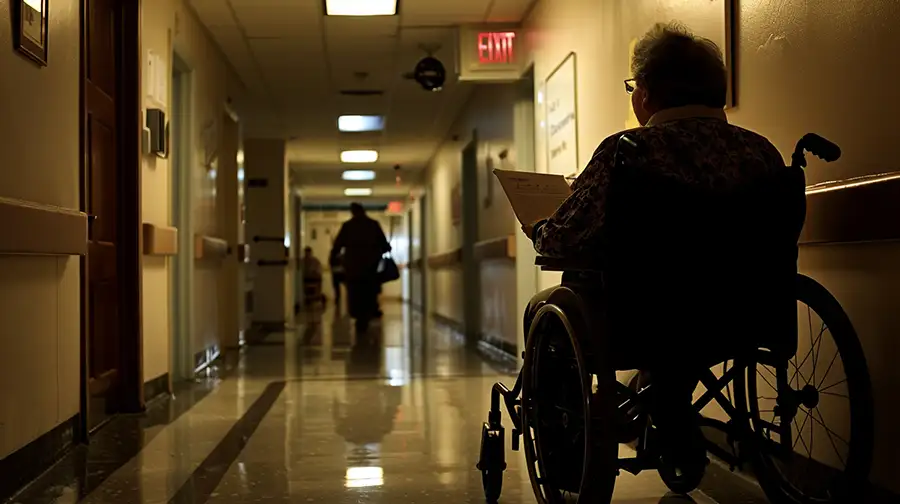
Let’s begin with an overview of the types of abuse that can occur in Long Island nursing homes before exploring the laws and legal remedies available to families.
Types of Abuse and Neglect in New York Nursing Homes
Nursing home abuse takes many forms, and not all are immediately visible. Families must stay alert to the various ways harm can occur. New York law recognizes physical, emotional, sexual, financial, and neglect-related abuse as grounds for legal action.
Physical abuse often includes bruises, restraint marks, repeated falls, or unexplained injuries. Emotional abuse may be harder to detect but can cause severe psychological harm such as withdrawal or depression. Sexual abuse, while less common, remains a devastating and sensitive issue that requires immediate intervention.
Neglect occurs when basic needs like nutrition, hygiene, or medical care are ignored. Families may also encounter financial exploitation in nursing homes, where residents are pressured into signing documents or money goes missing. Each of these abuse types is grounds for filing a civil lawsuit in New York.
Understanding the scope of abuse helps families recognize when it may be time to take legal action.
Warning Signs Families Should Never Ignore
Abuse and neglect can be difficult to detect, especially when facilities try to cover up problems. Families must remain vigilant and watch for warning signs that indicate mistreatment. On Long Island, families often discover abuse through sudden changes in health or behavior.
Common indicators include bedsores, unexplained falls, poor hygiene, sudden weight loss, and frequent hospital visits. Emotional symptoms such as fearfulness, withdrawal, or aggression may signal deeper problems. Families should also be alert to missing belongings, financial irregularities, or unexplained charges.
Recognizing these red flags early is essential. Resources like the signs of elder abuse guide can help Nassau and Suffolk County families spot problems before they escalate further.
When warning signs are present, families should act quickly to report concerns and consult an attorney about legal remedies.
Legal Rights and Statutes Protecting Nursing Home Residents
New York law provides strong legal tools for families pursuing nursing home neglect lawsuits. The main statute is CPLR § 214, which sets a three-year deadline for personal injury claims. Wrongful death claims must be filed within two years. Missing these deadlines may bar recovery.
Special rules apply if the nursing home is operated by a county or municipal entity. Families must file a General Municipal Law § 50-e notice of claim within 90 days, followed by a lawsuit within the time frame set in General Municipal Law § 50-i. These deadlines are unforgiving, making early action critical.
New York also enforces Public Health Law § 2801-d, which creates a private right of action for nursing home residents when facilities violate their rights. This law allows victims to recover damages, including attorney’s fees, for neglect or abuse.
Together, these statutes ensure that Long Island families have a pathway to justice when facilities fail to provide proper care.
Financial Exploitation and Theft in Nursing Homes
Among the most overlooked forms of abuse is financial exploitation. Residents may be coerced into signing documents, or staff may steal directly from their accounts. In New York, these acts are grounds for both civil and criminal liability.
Warning signs include missing personal belongings, sudden changes to wills or powers of attorney, or unexplained charges. On Long Island, families have pursued lawsuits for theft ranging from jewelry to large bank withdrawals. In some cases, financial abuse has gone hand-in-hand with neglect or isolation tactics.
Families who suspect theft should immediately report concerns to the New York State Department of Health and consult an attorney. Legal action can help recover stolen assets and prevent further harm.
Resources such as this guide on financial exploitation in nursing homes offer additional strategies for protecting vulnerable residents.
Steps Families in Nassau and Suffolk Counties Can Take
When families in Nassau or Suffolk County suspect abuse, immediate steps are crucial. The first priority is ensuring the resident’s safety by removing them from danger and seeking medical attention. Next, document all evidence, including photos, medical records, and witness accounts.
Families should file complaints with the New York State Department of Health and may also report concerns to the Attorney General’s Medicaid Fraud Control Unit. These agencies play a vital oversight role in holding facilities accountable.
Legal consultation should follow quickly. Speaking with experienced nursing home attorneys helps families understand available claims and deadlines. Attorneys can file lawsuits, negotiate settlements, and pursue justice through trial when necessary.
By taking decisive steps, Long Island families can protect both their loved ones and the rights of other residents in the same facility.
Compensation Available Through Nursing Home Abuse Lawsuits
Victims of abuse and their families may be entitled to significant compensation. Damages may include medical expenses, rehabilitation costs, pain and suffering, and emotional distress. In financial exploitation cases, stolen assets may be recovered along with additional penalties.
For wrongful death cases, families may also recover funeral expenses, lost income contributions, and other damages under New York law. These claims are complex but can bring both financial relief and a measure of accountability to negligent facilities.
Nassau and Suffolk County courts recognize the profound harm caused by nursing home abuse. Juries may award substantial damages to deter facilities from repeating the same conduct. Families can explore case examples and resources like long-term abuse effects to better understand potential recovery.
Pursuing compensation is not just about money-it is about justice and protecting future residents from harm.
Preventing Nursing Home Abuse in Long Island Facilities
Prevention remains the most powerful tool against nursing home abuse. Families can take proactive measures to reduce risks and safeguard loved ones. Regular visits, unannounced drop-ins, and building relationships with staff are critical strategies.
Families should also review care plans, monitor medication administration, and advocate for proper staffing levels. In Nassau and Suffolk counties, advocacy groups have pushed for reforms requiring more transparency in staffing and financial practices.
Technology, such as monitoring systems and abuse detection tools, is becoming increasingly important. Articles like technology in elder care highlight how these tools can detect neglect early.
While no system is perfect, prevention strategies give families peace of mind and help protect vulnerable residents from suffering abuse.
Frequently Asked Questions About Nursing Home Abuse Lawsuits
What are the most common signs of nursing home abuse?
The most common signs include bedsores, repeated falls, unexplained bruises, and sudden weight loss. Families should also look for emotional withdrawal and financial irregularities.
How can I report suspected abuse in a Long Island nursing home?
You can file a complaint with the New York State Department of Health and notify the Attorney General’s Medicaid Fraud Control Unit. Families may also consult an attorney to begin civil action.
When is the deadline to file a nursing home abuse lawsuit in New York?
Families generally have three years under CPLR § 214 to file. Wrongful death claims must be filed within two years of the date of death.
Who can be held liable for nursing home neglect?
Nursing homes, individual staff members, and management companies may all be held accountable. Liability depends on evidence of negligence, abuse, or violation of resident rights.
What compensation can victims of nursing home abuse recover?
Victims may recover medical expenses, pain and suffering, and emotional distress damages. Families may also recover stolen assets in financial exploitation cases.
How can families prevent abuse before it happens?
Regular visits, close monitoring, and involvement in care plans help reduce risks. Using oversight resources and reporting concerns promptly also prevent further harm.
Who oversees nursing home standards in New York?
The New York State Department of Health and the Attorney General’s Office provide oversight. Federal agencies like CMS also enforce care standards in Medicaid and Medicare facilities.
Can a lawsuit help improve conditions in a nursing home?
Yes, lawsuits can result in financial penalties and mandatory reforms. Legal action also brings public attention, pressuring facilities to improve care standards.
Protecting Loved Ones Through Legal Action
Nursing home abuse lawsuits in New York are not just about compensation-they are about accountability and safety. Families in Nassau and Suffolk counties face difficult choices when abuse occurs, but legal remedies provide a path to justice. By recognizing warning signs, acting quickly, and consulting an experienced attorney, families can protect their loved ones and safeguard others from similar harm.
If you suspect abuse, do not wait. Contact the attorneys at Alonso Krangle, LLP, who are experienced in nursing home abuse cases to learn your options. Justice for your loved one begins with informed action. Call 800-403-6191 or submit the form on this page.
Speak with An Attorney
Submit This Form or Call 800-403-6191