

Training Programs for Nursing Home Staff to Prevent Abuse
Training Programs for Nursing Home Staff to Prevent Abuse
Ensuring the safety and dignity of nursing home residents starts with proper training for staff members. Nursing home abuse and neglect can often be traced back to inadequate training, understaffing, or a lack of awareness about elder rights and proper care. In Long Island and across the country, nursing homes that invest in comprehensive staff training programs see lower rates of abuse, improved resident care, and greater legal compliance.
Abuse in nursing homes can take many forms-physical mistreatment, emotional abuse, financial exploitation, and neglect. A well-structured training program educates staff on recognizing and preventing these issues, empowering them to provide compassionate and professional care. But what should these programs include? And how can they be enforced to ensure accountability? This guide explores the critical aspects of nursing home staff training programs designed to prevent abuse.
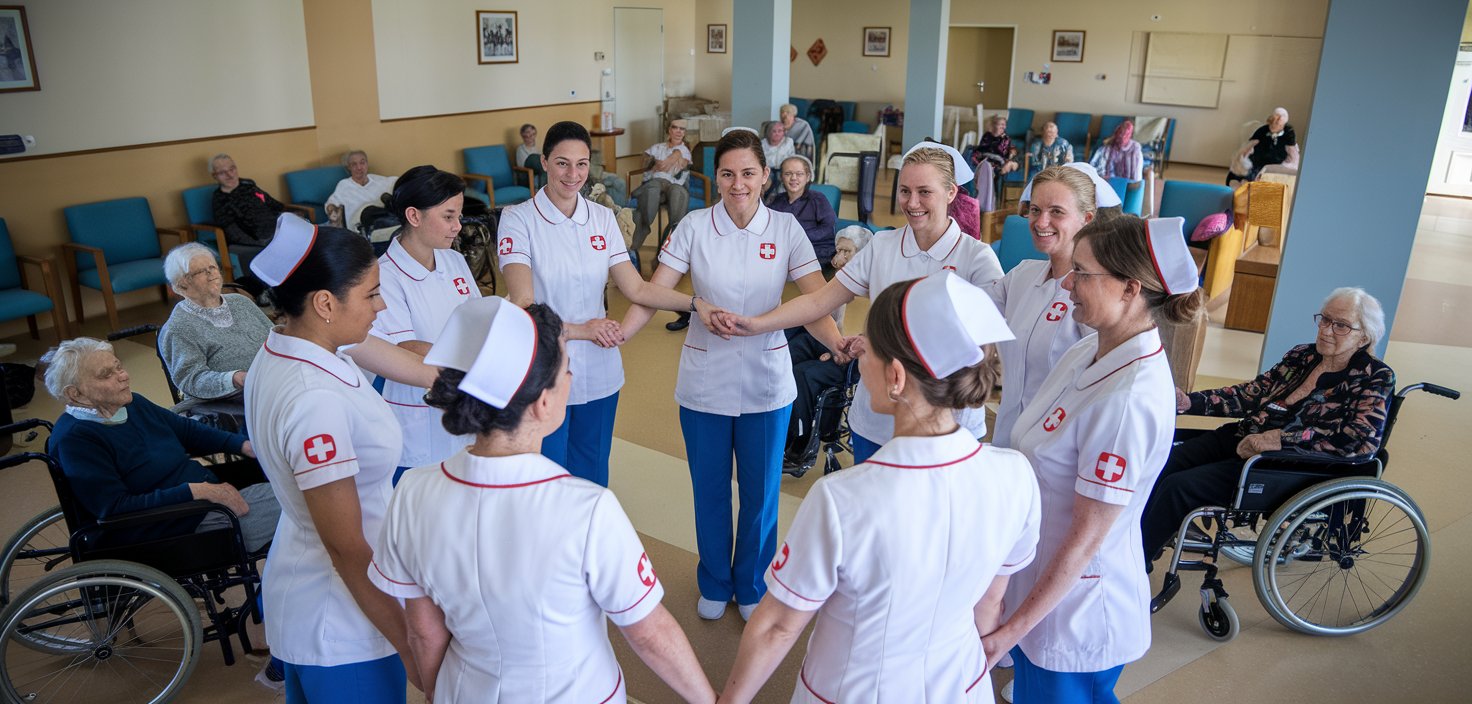
Why Proper Training Is Essential for Nursing Home Staff
Working in a nursing home is more than just a job-it’s a responsibility. Many staff members care deeply for their residents, but without adequate training, even well-intentioned caregivers can make mistakes that lead to harm. A lack of proper training can result in unintentional neglect, failure to recognize signs of abuse, and an inability to de-escalate tense situations.
Proper training helps nursing home staff:
- Recognize signs of physical, emotional, and financial abuse
- Understand the legal rights of nursing home residents
- Learn how to handle patients with dementia or cognitive impairments
- Prevent medication errors and ensure proper nutrition
- Communicate effectively with residents, families, and medical professionals
By implementing ongoing education, nursing homes can significantly reduce instances of neglect and mistreatment. In Long Island, state regulations require nursing home facilities to maintain a certain level of staff competency, and failing to meet these standards can lead to legal repercussions.
Key Components of an Effective Training Program
For a training program to be truly effective, it must go beyond basic orientation. Comprehensive staff education should be continuous, incorporating hands-on training, legal compliance workshops, and real-world case studies.
Recognizing and Preventing Different Forms of Abuse
One of the most crucial aspects of staff training is teaching caregivers how to recognize and prevent different types of nursing home abuse. This includes:
- Physical Abuse: Identifying bruises, burns, or signs of restraint, and understanding de-escalation techniques to prevent violent incidents.
- Emotional Abuse: Detecting verbal mistreatment, isolation, and psychological manipulation of residents.
- Neglect: Recognizing malnutrition, dehydration, untreated infections, and improper hygiene practices.
- Financial Exploitation: Understanding the warning signs of stolen funds, unauthorized transactions, or financial coercion.
Specialized Training for Handling Dementia Patients
A significant percentage of nursing home residents suffer from dementia or cognitive impairments, which can make caregiving challenging. Training should include:
- Strategies for managing aggressive behavior without using physical restraints
- Effective communication techniques for dementia patients
- Recognizing when cognitive decline increases vulnerability to abuse
Legal and Ethical Responsibilities of Nursing Home Staff
Every nursing home employee has a legal and ethical duty to protect residents from harm. Failing to follow proper protocols can lead to legal consequences, including lawsuits, loss of licensing, and criminal charges. Training programs must include clear guidance on staff responsibilities under both federal and New York state laws.
Understanding Resident Rights
Federal regulations, including the Nursing Home Reform Act, establish the right of residents to receive proper care, live free from abuse, and be treated with dignity. Training should emphasize:
- The importance of informed consent in medical decisions
- Residents’ rights to privacy, independence, and communication with family
- Protocols for handling complaints and reporting suspected abuse
Mandatory Reporting and Legal Compliance
In New York, nursing home staff are mandated reporters, meaning they are legally required to report any suspected abuse, neglect, or exploitation. Training programs should outline:
- When and how to report suspected abuse
- Protections for whistleblowers under the law
- The role of the New York State Attorney General’s Medicaid Fraud Control Unit in investigating abuse cases
Failure to report abuse can result in both civil and criminal penalties, making it crucial for staff to understand their obligations.
How Training Reduces the Risk of Nursing Home Neglect
Neglect is one of the most common forms of nursing home mistreatment, often resulting from understaffing, lack of oversight, or inadequate training. Effective education can help prevent common forms of neglect, including:
Preventing Medication Errors
Medication mismanagement can lead to severe health complications for elderly residents. Training should cover:
- Proper administration of prescriptions
- Avoiding dangerous drug interactions
- Recognizing signs of overmedication or under-medication
Ensuring Proper Nutrition and Hydration
Malnutrition and dehydration are frequent issues in nursing homes, often resulting from inattentive care. Staff should be trained to:
- Recognize the warning signs of malnutrition
- Ensure residents receive sufficient food and water
- Assist those who have difficulty eating due to medical conditions
Reducing the Risk of Bedsores and Infections
Many cases of neglect lead to painful and dangerous conditions like pressure ulcers and infections. Training should emphasize:
- Proper repositioning techniques for immobile residents
- Frequent hygiene checks to prevent infections
- Early detection and treatment of wounds
Ongoing Education and Hands-On Training
Initial training is essential, but continued education ensures that staff remain up to date with the latest best practices and regulations. Nursing homes should implement:
Annual Refresher Courses
Staff should participate in yearly training sessions covering new laws, emerging risks, and evolving care techniques. Topics may include:
- Handling difficult behaviors in dementia patients
- Improving communication with residents and families
- New developments in elder care and safety standards
Simulation-Based Training
Real-world scenarios help caregivers respond effectively to challenging situations. These simulations may include:
- Role-playing exercises to practice de-escalation techniques
- Emergency response drills for falls, medical crises, or fires
- Interactive case studies on recognizing and reporting abuse
Mentorship Programs for New Caregivers
New employees should receive guidance from experienced staff members through mentorship programs. These pairings help new caregivers learn:
- How to provide compassionate, patient-centered care
- The importance of following facility protocols
- Methods for preventing burnout and maintaining professionalism
The Role of Families and Advocacy Groups
While staff training is essential, family members and elder rights advocates also play a crucial role in preventing nursing home abuse. In Long Island, many organizations work to protect residents and push for improved caregiver education.
Encouraging Family Involvement
Families should actively monitor the care their loved ones receive. This includes:
- Making frequent, unannounced visits to observe staff interactions
- Speaking with caregivers about treatment plans and medical concerns
- Reporting any suspected abuse to the appropriate authorities
Advocacy for Stronger Staff Training Regulations
Advocacy groups and lawmakers continue to push for stronger policies requiring extensive staff training in nursing homes. Some proposed reforms include:
- Mandatory abuse prevention training as part of nursing certification
- Increased funding for staff education programs
- Stricter penalties for facilities that fail to provide adequate training
How Alonso Krangle, LLP Can Help Hold Negligent Facilities Accountable
When nursing homes fail to properly train staff, residents suffer the consequences. At Alonso Krangle, LLP, we represent families who have experienced elder abuse and neglect due to poorly trained caregivers. Our legal team works to hold negligent facilities accountable and ensure victims receive justice.
If your loved one has suffered mistreatment in a Long Island nursing home, contact Alonso Krangle, LLP today for a free consultation. We can help you understand your legal options and take action to protect your loved one’s rights.
Speak with An Attorney
Submit This Form or Call 800-403-6191