

Remote Monitoring vs. In-Office Follow-Ups – What Should You Do If You Have a Recalled Pacemaker?
Remote Monitoring vs. In-Office Follow-Ups – What Should You Do If You Have a Recalled Pacemaker?
If you or someone you care about has a recalled pacemaker-particularly a Boston Scientific Accolade model-you’re likely facing confusing choices about how best to stay safe. Should you rely on remote monitoring, or are in-office follow-ups absolutely necessary? The decision isn’t always straightforward, and making the wrong choice could put you at serious risk.
The FDA has classified the Accolade recall as a Class I-the most serious type-because the devices can enter “Safety Mode” without warning due to a manufacturing defect in the battery cathode. This mode drastically reduces device function and has already been linked to multiple injuries and deaths.
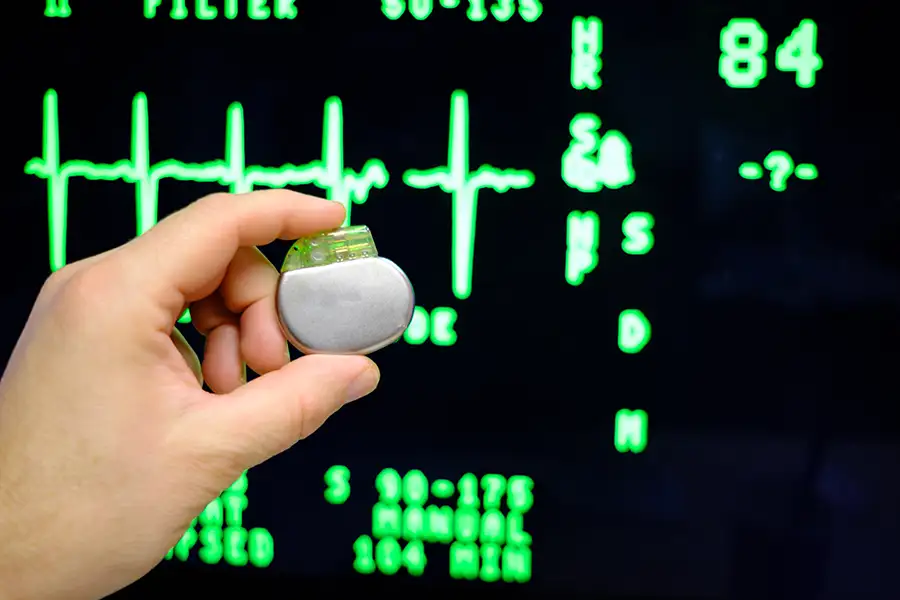
Your monitoring schedule-how often and where you’re checked-could be the difference between catching a failure early or facing a life-threatening emergency. Here’s what you need to know to protect yourself and make informed decisions.
Understanding the Pacemaker Recall and What Safety Mode Means
The Boston Scientific pacemaker recall includes multiple models built before September 2018, including ACCOLADE™, ESSENTIO™, PROPONENT™, ALTRUA™ 2, VISIONIST™, and VALITUDE™ CRT-Ps. These devices have a higher chance of entering Safety Mode due to high battery impedance, a result of lithium salt concentration from flawed cathode processing during manufacturing.
When these devices experience three system resets in 48 hours-often during telemetry (like remote checks) or high-energy operations-they shift into Safety Mode. Once this occurs, the device defaults to non-programmable settings that may not meet a patient’s pacing needs. Worse, it can’t be reversed.
Patients who are pacemaker-dependent are especially vulnerable. Safety Mode may cause bradycardia (abnormally slow heart rate), loss of consciousness, or even death if not addressed quickly. That’s why early detection through monitoring is so vital.
Approximately 70% of Safety Mode events have been detected during in-office interrogations, while the rest occurred unexpectedly during remote or daily life activities. This reality raises urgent questions about the reliability of each monitoring option.
What Remote Monitoring Can and Cannot Do
Many patients now use Boston Scientific’s LATITUDE™ remote monitoring system, which allows physicians to receive real-time data and alerts, including a pacemaker Safety Mode alert. When functioning correctly, remote monitoring can be an invaluable early warning system-especially when in-person visits are infrequent.
However, remote monitoring isn’t perfect. Devices in the advisory group are more likely to fail when transmitting data-meaning the remote check itself might trigger the device’s descent into Safety Mode. Moreover, if the battery enters this dangerous state, the device might not last long enough to provide sufficient warning or allow time for scheduling replacement surgery.
Remote alerts can be missed or delayed if patients are unaware of red-box warnings on their monitor or don’t respond to alerts promptly. In some cases, signal interference or user error can delay necessary action.
While remote monitoring should absolutely be part of your care plan, it should never be your only line of defense if your device is part of the recall population. That’s especially true if you rely on your pacemaker for all or most of your heart’s pacing.
When In-Office Follow-Ups Are Essential
For patients with a recalled pacemaker, regular in-office follow-ups provide a level of protection that remote monitoring cannot match. These appointments allow for direct interrogation of the device using a programmer that can detect subtle signs of battery degradation or other anomalies-often before a Safety Mode event occurs.
During in-office checks, physicians can assess output voltage, pacing thresholds, lead impedance, and battery life with precision. They can also confirm whether a device has reset recently or is showing warning signs of entering Safety Mode. These critical insights are not always available through remote transmissions.
Additionally, if your device is approaching four years of remaining battery longevity-the threshold identified by Boston Scientific as a higher-risk period-it may be time to consider scheduling a replacement. In-office follow-ups provide the opportunity to make that call proactively and safely.
For patients already in Safety Mode, immediate replacement is recommended, particularly if pacing needs are high. Our firm has reviewed reports where in-office interrogation was the only reason a failing device was detected in time to prevent serious injury.
Are You at High Risk? Identifying Vulnerable Patients
Not every patient with a recalled Boston Scientific pacemaker is at equal risk. According to Boston Scientific’s advisory letter and FDA findings, those at highest risk include:
- Pacemaker-dependent individuals (those whose hearts cannot maintain rhythm without device support)
- Patients with devices nearing the 4-year remaining battery life mark
- Those with known underlying conditions like bradyarrhythmias or heart failure
- Patients whose devices were implanted before September 2018
If you fall into one of these categories, in-office follow-up is strongly recommended. For example, one patient-dependent on dual-chamber pacing-experienced Safety Mode while at home. He lost consciousness and required emergency intervention. A scheduled office visit a month earlier could have caught the early warnings and prevented that crisis.
Discuss your pacing needs with your cardiologist. Some patients may tolerate Safety Mode settings better than others. But no patient should rely on hope or outdated estimates of battery life-especially given the advisory’s warnings about battery underperformance.
FDA reports confirm two deaths have already occurred due to failure in Safety Mode. Thousands more are at risk if early detection is missed. Make sure you’re not one of them.
Full serial number ranges and GTINs are available on the FDA’s website and through Boston Scientific’s Device Lookup Tool.
FDA and Manufacturer Guidance-Know What to Expect
Both the FDA and Boston Scientific have issued clear guidance in response to this Class I recall. According to the FDA, “A device that enters Safety Mode should be replaced.” Furthermore, the agency emphasized that general prophylactic replacement is not recommended-but early replacement is appropriate for patients with high pacing reliance or near-threshold battery life.
Boston Scientific’s official position encourages continued use of remote monitoring for pacemakers while also emphasizing individualized care plans. Their letter to healthcare providers outlines a strategy that includes:
- Evaluating each patient’s risk based on pacing needs and battery life
- Scheduling early replacements if battery longevity is less than 4 years
- Maintaining in-office follow-ups every 12 months, increasing to every 3 months when 1-year battery life remains
They are also developing a software update to detect early signs of battery impedance before Safety Mode is triggered. But until that update is widely available, vigilance remains critical.
Healthcare providers are advised to disable patient-initiated interrogations for high-risk patients, due to concerns that even those checks can precipitate a Safety Mode event.
Making the Right Choice: Remote, In-Office-or Both?
Ultimately, the safest approach for managing a Boston Scientific pacemaker recall is not to choose between remote and in-office follow-ups-but to use both strategically. Here’s how:
- Use remote monitoring to detect day-to-day issues and alert your provider of any emergency mode activations
- Schedule in-office evaluations at least annually, or every 3 months if your device is nearing the replacement threshold
- If you have experienced symptoms-dizziness, fatigue, fainting-schedule an office visit immediately
- If you rely heavily on pacing, discuss prophylactic replacement even if your device appears stable
For instance, a patient who had stable readings via remote monitoring later entered Safety Mode during a routine office visit. That visit likely saved his life, as the physician was able to expedite replacement before symptoms worsened.
Remote monitoring should never replace regular hands-on care, especially not when your life may depend on catching a failing battery before it triggers Safety Mode. This is not a choice between convenience and safety. It’s about building a monitoring plan that uses all available tools to protect you.
And if you’re unsure whether your device is part of the advisory population, use Boston Scientific’s device lookup tool or consult directly with your physician.
Contact Alonso Krangle, LLP If You Have a Recalled Pacemaker
If your pacemaker has been recalled, you need more than just technical information. You deserve answers. Was your device defective? Were you warned properly? Are you eligible to pursue compensation for the risks and trauma you’ve faced?
Our lawyers are helping patients and families who have been affected by this dangerous recall. We’ll review your device’s serial number, walk you through your legal rights, and help you understand the next steps. Whether your pacemaker is functioning or has already failed, we’re here to support you through the aftermath.
If you’ve suffered injury-or are worried about the risk-don’t wait. Contact Alonso Krangle, LLP today or call 800-403-6191 to speak with a member of our legal team. We’re ready to help you hold the right parties accountable and protect your future.
Your life and peace of mind are too important to ignore the warning signs. Take action today.
Speak with An Attorney
Submit This Form or Call 800-403-6191