

Sepsis in Nursing Homes: Critical Warning for Long Island Families
Sepsis in Long Island Nursing Homes: A Silent Killer
Sepsis is one of the most dangerous outcomes of poor hygiene and untreated infections in nursing facilities. Families across Long Island, including Nassau and Suffolk Counties, have seen firsthand how quickly this condition can turn deadly when proper care is lacking.
When sepsis in nursing homes develops, it often signals deeper neglect. Residents may have been left in unsanitary conditions, denied medical evaluations, or ignored when showing early signs of illness. These lapses are preventable, yet they remain far too common in underregulated facilities.
New York State regulators and the Attorney General have repeatedly found that inadequate staffing and hygiene failures increase the risk of infections that spiral into sepsis. This makes it essential for families to recognize the warning signs early and demand accountability from facilities that fail their loved ones.
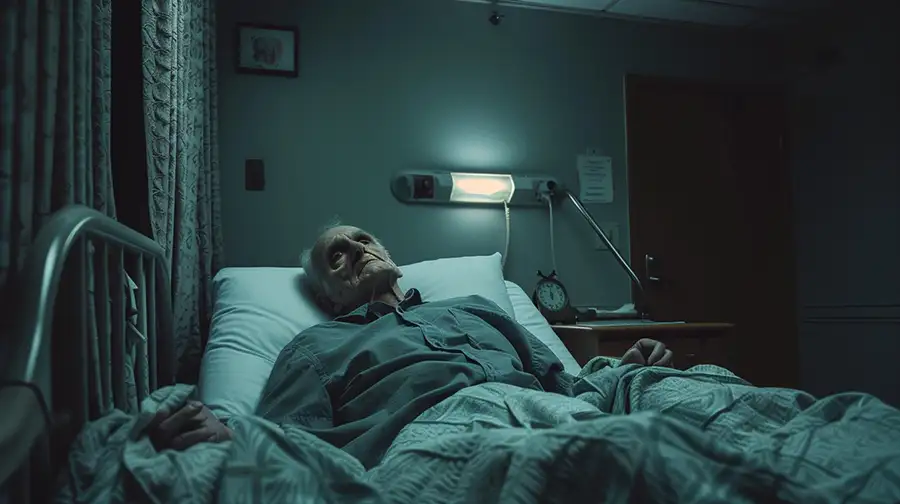
Understanding how sepsis develops, and how New York law protects residents, is key to preventing tragedy and holding negligent nursing homes responsible.
How Poor Hygiene Leads to Deadly Infections
Sepsis rarely occurs out of nowhere. It usually begins with common infections that are left untreated. In nursing homes, urinary tract infections, untreated wounds, and respiratory infections are frequent culprits.
When staff fail to maintain basic hygiene, residents are more vulnerable. Unchanged bedding, unsanitary bathrooms, and ignored call bells create an environment where infections spread rapidly. The presence of untreated bedsores is a clear example of neglect that can lead directly to sepsis.
Families in Nassau County and Suffolk County should be especially cautious if they notice recurring infections or frequent hospitalizations. These red flags often indicate systemic problems at the facility rather than isolated incidents.
Sepsis is preventable when proper hygiene and infection control measures are followed. Unfortunately, many nursing homes cut corners, putting residents at unnecessary risk.
Warning Signs of Sepsis and Neglect
Recognizing sepsis early is critical for survival. Unfortunately, nursing home residents may not be able to communicate their symptoms effectively, making it the responsibility of staff and family members to be vigilant.
Common signs of sepsis include:
- Rapid breathing or heart rate
- Confusion or disorientation
- Extreme pain or discomfort
- Fever, chills, or very low body temperature
If a loved one develops these symptoms while in a nursing facility, immediate medical care is essential. The failure to promptly transfer a resident to a hospital can be grounds for a nursing home neglect lawsuit.
Even when sepsis is treated, survivors often face lasting complications. This is why prevention through proper elder care is so vital.
Other Forms of Nursing Home Abuse and Neglect
Sepsis is often a symptom of broader problems inside nursing facilities. Neglect and abuse can take many forms, all of which put residents at risk of serious harm or death.
Examples of common nursing home abuse issues include:
- Physical abuse resulting in bruises, fractures, or preventable falls
- Emotional and psychological abuse that worsens mental health
- Financial exploitation in Suffolk County, such as stolen money or coerced signatures
- Medication errors leading to overdoses or untreated conditions
All of these forms of mistreatment violate New York law and can provide the basis for civil claims against negligent nursing homes.
Families across Long Island must remain vigilant, as neglect often goes hand in hand with multiple types of abuse.
Legal Rights Under New York Law
When sepsis or infection-related deaths occur in nursing homes, families often wonder about their legal rights. New York law provides several avenues for accountability.
Under CPLR § 214, families have three years to bring a personal injury claim based on nursing home neglect. Wrongful death claims must generally be filed within two years of the death. If a municipal or county-run facility is involved, families must file a Notice of Claim under General Municipal Law § 50-e within 90 days and commence suit under § 50-i.
Additionally, Public Health Law § 2801-d allows nursing home residents to bring claims directly against facilities for violations of their rights to adequate care. This statute has been a powerful tool in holding negligent facilities accountable.
These laws make it clear: nursing homes in Long Island cannot escape liability when their negligence results in preventable suffering or death.
Government Oversight and Investigations
Oversight is a critical safeguard against nursing home neglect. The New York State Attorney General has investigated facilities for failures that led directly to sepsis, dehydration, and wrongful deaths during the pandemic.
The New York Department of Health also monitors compliance with hygiene and infection control standards, while federal agencies like the Centers for Medicare & Medicaid Services (CMS) establish national guidelines. Violations can result in fines, closures, and public reporting of unsafe conditions.
Recent lawsuits have exposed how some nursing homes diverted taxpayer funds while residents languished in dangerous conditions. Families in Nassau and Suffolk counties must stay informed about these oversight actions to ensure their loved ones are not trapped in failing facilities.
Ultimately, government intervention highlights the scale of the problem, but individual families often play the most critical role in bringing neglect to light.
Steps Families Can Take to Protect Loved Ones
Families have more power than they realize when it comes to preventing neglect and infection. Regular visits, careful monitoring of medical records, and documenting poor conditions can make a difference.
Practical steps include:
- Checking for consistent hygiene and cleanliness in resident rooms
- Reviewing medical charts for missed treatments or recurring infections
- Asking staff direct questions about care routines and infection control
- Reporting concerns promptly to state agencies or legal advocates
Families should also familiarize themselves with nursing home resident rights under New York law. These rights provide important protections and can serve as the foundation for legal action when violations occur.
Taking a proactive role is often the only way to prevent small problems from escalating into deadly conditions like sepsis.
Compensation for Sepsis and Infection Cases
When nursing home neglect leads to sepsis or wrongful death, families may be entitled to significant compensation. Lawsuits can recover damages for medical costs, pain and suffering, and loss of companionship.
Claims based on financial exploitation may also be combined with neglect claims, especially when facilities mismanage funds that should support resident care. Compensation is not only about justice-it is often the only way to cover the financial burdens caused by neglect.
While no amount of money can undo the harm, financial recovery can help families find closure and ensure better care for others in the future. Legal claims also pressure facilities to adopt safer practices.
If your family is facing the aftermath of sepsis in a Long Island nursing home, exploring compensation is an important step toward accountability.
Frequently Asked Questions About Sepsis in Nursing Homes
What is sepsis in nursing homes?
Sepsis is a life-threatening infection caused by untreated illnesses in nursing homes. It often develops from poor hygiene, untreated wounds, or ignored infections.
How can I tell if my loved one is suffering from neglect?
Signs of neglect include recurring infections, poor hygiene, and weight loss. Families should look for physical neglect indicators like bedsores or unexplained injuries.
When should I file a lawsuit for nursing home neglect?
In New York, personal injury claims must be filed within three years. Wrongful death claims usually have a two-year limit under CPLR § 214.
Who is responsible when sepsis occurs in a nursing home?
Nursing homes are responsible for preventing infections and providing adequate care. Under Public Health Law § 2801-d, facilities can be held directly liable for failing to meet standards.
Can financial exploitation happen alongside medical neglect?
Yes, families often find both neglect and stolen funds. Financial exploitation in Long Island homes is a growing concern linked to misused care funds.
How can families in Nassau and Suffolk counties protect residents?
Families should make unannounced visits, check for hygiene, and review medical charts. Using family visits to prevent abuse is an effective strategy.
What compensation is available in neglect lawsuits?
Compensation may include medical costs, pain and suffering, and wrongful death damages. Families can also recover for emotional trauma and financial exploitation.
Where can I report suspected sepsis-related neglect?
Families should report concerns to the New York State Department of Health. They may also use the legal process for reporting abuse.
Protecting Your Loved Ones From Sepsis and Neglect
Sepsis in Long Island nursing homes is not inevitable-it is preventable with proper care. Families in Nassau County, Suffolk County, and across the region must stay alert to signs of neglect and hold facilities accountable.
If you suspect your loved one has suffered from poor hygiene, infections, or sepsis, legal action may be necessary. A consultation with Alonso Krangle, LLP can help you understand your rights and explore available remedies.
Do not wait until neglect becomes fatal. Protect your family by taking action now and ensuring that New York nursing homes provide the safe, dignified care residents deserve. Call us at 800-403-6191 or complete the form on this page to schedule a call.
Speak with An Attorney
Submit This Form or Call 800-403-6191