

Symptoms to Watch for If You Have a Recalled Boston Scientific Pacemaker
Symptoms to Watch for If You Have a Recalled Boston Scientific Pacemaker
If you’ve received a notice that your Boston Scientific pacemaker may be affected by the recent Boston Scientific pacemaker recall, it’s critical to understand the symptoms that could signal a serious device malfunction. Certain models, especially from the ACCOLADE™ family manufactured before September 2018, are at risk of entering a limited-function state called Safety Mode due to a manufacturing defect affecting the battery.
Once in Safety Mode, the pacemaker may fail to regulate your heartbeat properly. This condition can become life-threatening, especially for patients who are highly dependent on the device for consistent cardiac pacing. Our attorneys want you to be aware of the warning signs and the legal options available to you if your device fails.
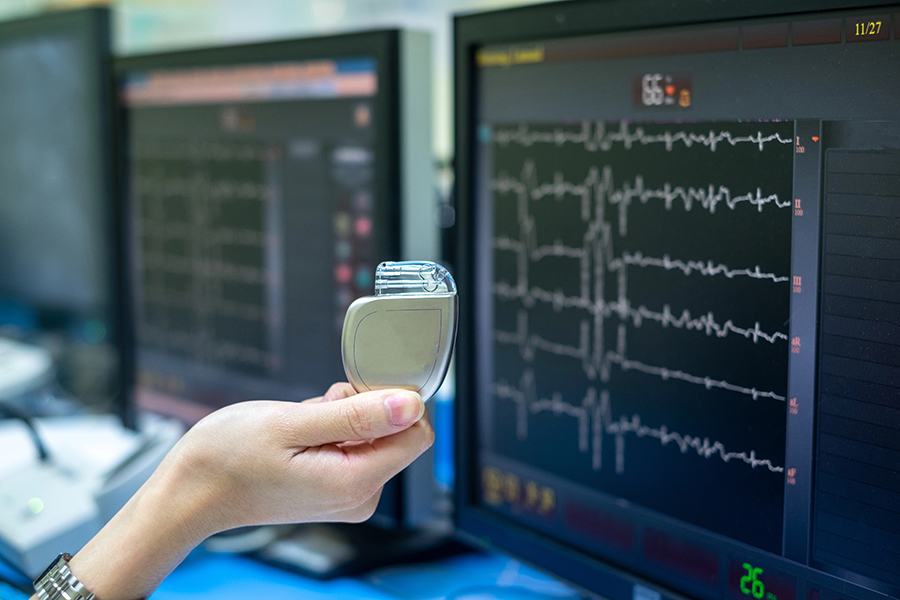
In this post, we’ll explain which symptoms you need to watch for, how Safety Mode affects the body, what to do if you notice changes, and when it may be time to consider legal action to protect your health and your rights.
Understanding Safety Mode and Its Risks
Boston Scientific’s recall affects thousands of ACCOLADE™, PROPONENT™, ESSENTIO™, ALTRUA™ 2, VISIONIST™, and VALITUDE™ pacemakers. The issue stems from high battery impedance caused by an internal battery defect that can trigger Safety Mode-a failsafe condition that limits the device’s ability to respond to cardiac events.
Devices entering Safety Mode typically exhibit:
- Unipolar pacing instead of normal dual-chamber pacing
- A fixed pacing rate of 72.5 bpm
- Disabled magnet response, which normally adjusts device behavior during surgery
- Increased risk of pacing pauses and inhibition during activities or follow-ups
According to the FDA, once Safety Mode is triggered, the condition is irreversible and typically requires surgical replacement of the pacemaker. Boston Scientific has confirmed that over 800 adverse incidents and at least two deaths have been linked to this defect.
Safety Mode can be particularly dangerous during daily activities when patients are unsupervised. The device’s limited functionality can cause missed pacing, leading to serious or even fatal outcomes.
Key Symptoms That Could Indicate Device Failure
There are several warning signs that your recalled pacemaker may no longer be functioning correctly. These symptoms often result from pacing inconsistencies caused by Safety Mode or battery malfunction. If you experience any of the following, consult your doctor immediately:
- Lightheadedness – Sudden dizziness can be a sign that your heart isn’t receiving the right pacing support
- Fainting or loss of consciousness – A serious red flag indicating a potential pacing pause or complete failure
- Heart palpitations or irregular rhythm – These may reflect the inability of the pacemaker to maintain your heart’s natural rhythm
- Chest discomfort or fatigue – Resulting from reduced cardiac output due to suboptimal pacing
- Muscle twitching or discomfort – A result of unipolar pacing accidentally stimulating surrounding tissues
How to Confirm If Your Pacemaker Is Affected
If you have a Boston Scientific pacemaker, especially one implanted before September 2018, it’s important to confirm whether your device is part of the advisory group. Affected models include those under the ACCOLADE™, PROPONENT™, ESSENTIO™, ALTRUA™ 2, VISIONIST™, and VALITUDE™ names.
The easiest way to check is by using the Boston Scientific device lookup tool, which allows you to enter your device’s model and serial number. These identifiers are usually available in your medical records or device ID card. Boston Scientific and the FDA have published comprehensive lists of affected models and serials. However, identification requires exact matches, and not all devices with the same model number are affected.
Additionally, you can contact your cardiologist or electrophysiologist. If your device is part of the advisory population, you may be enrolled in a remote monitoring program through Boston Scientific’s LATITUDE™ system. This program can alert your care team if Safety Mode is activated-but remote monitoring is not a substitute for vigilance or medical intervention.
If you’re unsure how to locate your device information or interpret Boston Scientific’s lookup tool results, your care provider can help clarify whether you are at risk.
Full serial number ranges and GTINs are available on the FDA’s website and through Boston Scientific’s Device Lookup Tool.
What to Do If You Experience Symptoms
If you experience any of the warning symptoms like lightheadedness, fainting, or palpitations-and you have a device affected by the Boston Scientific pacemaker recall-you must act quickly. These symptoms may indicate your pacemaker has already entered or is close to entering Safety Mode, which can result in serious complications or death without prompt treatment.
Here are the critical steps to take:
- Immediately contact your cardiologist or electrophysiologist
- If symptoms are severe (such as fainting or chest pain), call 911 or go to the nearest emergency room
- Make sure your care team has access to your device’s model and serial number
- Request a device interrogation-either in-office or remotely through LATITUDE™-to check for Safety Mode activation
Time is essential. In documented cases, patients who delayed care after experiencing early symptoms suffered cardiac injury or worsened heart failure. If your doctor confirms that your device has entered Safety Mode, surgical replacement will likely be necessary to restore full cardiac pacing function.
If you’re unsure about your symptoms or don’t have regular follow-up appointments, speak with your care team to establish a safe monitoring plan. Depending on your condition, your doctor may recommend prophylactic replacement even before symptoms appear.
Why the Recall Is So Serious
This is a Class I recall-the FDA’s highest level of risk-because these devices can fail silently and cause life-threatening events. The risk is not limited to older or inactive patients; even younger, active individuals can be seriously harmed by a pacing failure if Safety Mode engages during activity or sleep.
The root of the problem lies in a defect in battery cathode processing that caused excess lithium salt buildup, increasing internal resistance. As the battery degrades over time, it may not generate enough power to support higher-demand functions like telemetry. This leads to cascading power resets, and if three occur within 48 hours, the device is automatically forced into Safety Mode.
Unfortunately, Safety Mode offers only backup pacing. It removes many programmable settings that doctors rely on to manage your cardiac condition. Once a device enters Safety Mode, it cannot be reprogrammed, and must be replaced as soon as possible.
Boston Scientific and the FDA have confirmed two patient deaths and hundreds of adverse event reports linked to this malfunction. The danger is especially high during remote checks or in non-clinical settings where emergency care isn’t immediately available.
Can You Sue for Injuries Caused by a Recalled Pacemaker?
If your recalled pacemaker has failed-or caused you harm due to symptoms related to Safety Mode-then yes, you may have legal grounds to file a claim. Medical device manufacturers are responsible for ensuring their products are safe and free of preventable defects. When they fail to meet this standard, patients can pursue compensation for injuries, lost wages, emotional trauma, and medical costs.
Common injury claims include:
- Device malfunction requiring emergency surgery
- Heart failure or worsening cardiac conditions due to inadequate pacing
- Loss of consciousness leading to falls or injuries
- Emotional distress or anxiety about device failure
Our firm understands how disruptive and frightening these experiences can be. We are reviewing cases nationwide involving recalled Boston Scientific pacemakers. You don’t need to navigate this alone-especially when your health and future are at stake.
Contact Alonso Krangle, LLP if You Were Affected by a Recalled Pacemaker
If you or a loved one has a recalled pacemaker made by Boston Scientific and you’re experiencing symptoms or required emergency care, reach out to our team. We are currently evaluating claims on behalf of individuals harmed by defective devices like the ACCOLADE™, ESSENTIO™, or ALTRUA™ 2 pacemakers.
Our lawyers can help you determine whether your device is part of the recall, guide you through reporting the problem to the FDA, and pursue compensation for the injuries you’ve suffered. Don’t wait until it’s too late. Even if your symptoms seem mild, they could be a sign of a dangerous malfunction.
Call Alonso Krangle, LLP, at 800-403-6191 or complete our contact form for a free consultation. We’re here to protect your rights and hold medical device manufacturers accountable when their products put lives at risk.
Speak with An Attorney
Submit This Form or Call 800-403-6191