

Are Ultra-Processed Foods Designed to be Addictive?
Are Ultra-Processed Foods Designed to be Addictive?
What Are Ultra-Processed Foods (UPFs)?
Ultra-processed foods (UPFs) are industrially manufactured products that undergo multiple stages of processing. These foods are not just simple cooked meals but are created using a combination of refined ingredients, additives, and synthetic substances. UPFs typically include preservatives, artificial flavors, emulsifiers, and colorings to enhance taste, appearance, and shelf life.
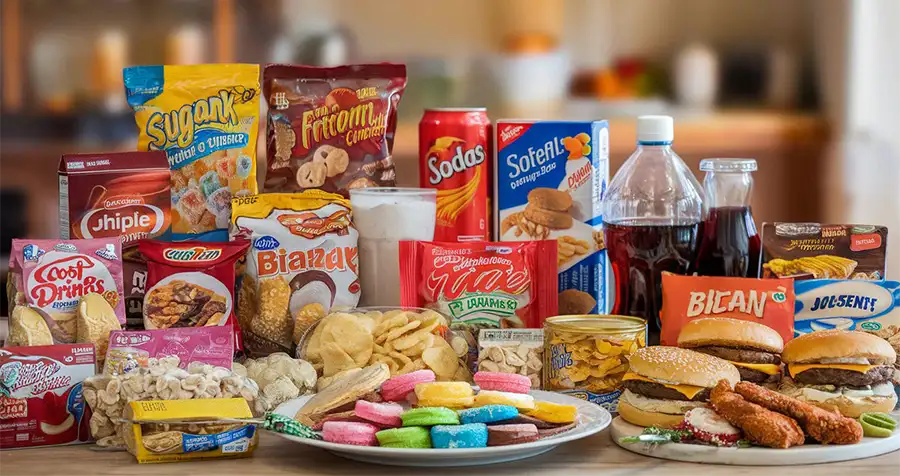
Common examples of UPFs include:
- Sugary cereals
- Packaged snack foods like chips and cookies
- Soft drinks and sodas
- Frozen meals and instant noodles
- Fast food items like burgers and fried chicken
Unlike minimally processed foods (such as fresh fruits, vegetables, and meats), UPFs are typically stripped of natural nutrients and filled with ingredients designed to make them hyper-palatable . This makes them more convenient and enjoyable but raises concerns about their impact on health.
How UPFs Are Engineered to Be Addictive
Many ultra-processed foods are deliberately designed to be difficult to resist. Food manufacturers use a mix of sugar, salt, fat, and additives to create a potent combination that triggers the brain’s reward system . This engineering ensures that consumers keep coming back for more.
Key strategies used to make UPFs addictive include:
- Flavor Enhancers: Additives like monosodium glutamate (MSG) intensify flavors, making foods more appealing and harder to stop eating.
- Texture Modifications: Techniques to create crunchy, creamy, or chewy textures that stimulate sensory pleasure.
- Calorie Density: High levels of sugar and fat deliver rapid bursts of energy, leading to quick satisfaction followed by cravings for more.
- Artificial Ingredients: Synthetic flavors and colors that create a stronger sensory experience than natural foods.
These methods are similar to tactics once used by the tobacco industry to make cigarettes more addictive. The goal is to “hack” the brain’s reward circuits , encouraging overconsumption and lifelong brand loyalty. As lawsuits allege, food companies knowingly exploit these methods to maximize profits, often at the expense of public health.
The Science Behind Food Addiction
The addictive qualities of ultra-processed foods are backed by scientific research. Studies show that certain UPFs can activate the brain’s reward pathways in much the same way as drugs like nicotine or cocaine. This activation releases dopamine, a neurotransmitter associated with pleasure and reward, which reinforces the desire to eat more.
Key findings in the science of food addiction include:
- Cravings and Overconsumption: The combination of sugar, salt, and fat in UPFs can lead to compulsive eating behaviors. Even when full, individuals may continue eating due to the intense pleasure response.
- Brain Imaging Studies: Functional MRI scans show that UPFs stimulate areas of the brain associated with addiction, leading to cravings and loss of control .
- Tolerance and Withdrawal: Similar to drug addiction, regular consumption of UPFs can lead to tolerance (requiring more to achieve the same satisfaction) and withdrawal symptoms (irritability, fatigue) when trying to cut back.
For example, a teenager who frequently consumes sugary snacks and sodas may find it difficult to stop, even after developing health issues like Type 2 diabetes or non-alcoholic fatty liver disease. This pattern of addictive eating behavior has raised alarms among health experts and is a central issue in ongoing lawsuits against major food companies.
Health Risks of Consuming Ultra-Processed Foods
Ultra-processed foods (UPFs) are increasingly linked to a wide range of chronic health conditions. These foods, while convenient and tasty, often lack essential nutrients and are filled with additives that can harm the body over time. Research indicates that regular consumption of UPFs increases the risk of developing several serious health issues .
Key health risks associated with UPFs include:
- Obesity: High sugar and fat content in UPFs contribute to excessive calorie intake, leading to weight gain and obesity.
- Type 2 Diabetes: Frequent consumption of sugary drinks and snacks can lead to insulin resistance and diabetes, even in children.
- Heart Disease: Trans fats, excessive sodium, and refined carbohydrates in UPFs increase the risk of cardiovascular disease.
- Non-Alcoholic Fatty Liver Disease (NAFLD): The additives and sugars in UPFs can cause fat buildup in the liver, leading to liver damage.
- Cancer: Some studies suggest a link between UPF consumption and increased cancer risk, particularly breast and colorectal cancers.
Children are especially vulnerable to these health risks . For instance, a child who regularly consumes processed snacks and sodas may develop conditions like Type 2 diabetes or fatty liver disease by their teenage years. This rise in diet-related illnesses among children highlights the urgent need to address UPF consumption.
Lawsuits Alleging UPFs Are Designed to Be Addictive
In recent years, several high-profile lawsuits have accused major food companies of deliberately designing UPFs to be addictive. These lawsuits allege that food manufacturers exploit neuroscience and psychology to create products that encourage compulsive eating , especially in children.
Notable claims in these lawsuits include:
- Addictive Design: Companies use a combination of sugar, salt, and fat to manipulate the brain’s reward system, making it hard to stop eating these foods.
- Targeting Children: Aggressive marketing strategies, such as using cartoon characters and colorful packaging, are aimed at children to create lifelong habits.
- Public Deception: Allegations that food companies downplay the health risks of UPFs and fail to warn consumers about their addictive properties.
For example, lawsuits have compared the food industry’s tactics to those used by Big Tobacco. In the 1990s, tobacco companies were found guilty of knowingly designing cigarettes to be more addictive . Similarly, food companies are accused of using the same research and strategies to increase the addictive potential of UPFs.
These legal battles aim to hold food corporations accountable for the health crises caused by UPFs. If successful, they could lead to significant changes in how these foods are produced, marketed, and regulated.
Tactics Used by the Food Industry to Market UPFs
Food companies invest heavily in marketing strategies designed to make ultra-processed foods appealing, especially to children. These tactics often exploit psychological triggers and societal trends to boost consumption. By creating attractive, fun, and convenient products, companies ensure their UPFs become a staple in many households .
Common marketing tactics include:
- Colorful Packaging: Bright, eye-catching designs that appeal to children and create a sense of fun.
- Cartoon Characters: Mascots and popular media characters are used to create brand loyalty from an early age.
- Commercials and Digital Ads: TV ads, social media campaigns, and influencer endorsements target young audiences.
- Product Placement: Featuring UPFs in movies, TV shows, and video games to normalize consumption.
- Promotional Toys and Prizes: Offering toys, stickers, or prizes with UPF purchases to make products more enticing.
These marketing strategies are designed to bypass logical decision-making and appeal directly to emotions and desires . For children, who lack the maturity to understand the consequences of their food choices, these tactics can be particularly powerful.
Critics argue that this form of marketing contributes to unhealthy eating habits , leading to lifelong struggles with weight, addiction, and chronic diseases. The parallels with Big Tobacco’s strategies are striking: just as cigarette companies used mascots and colorful ads to attract young smokers, food companies use similar techniques to hook young consumers on UPFs.
Potential Consequences of Food Addiction
The addiction-like qualities of ultra-processed foods (UPFs) can lead to long-lasting consequences for individuals and society. Unlike occasional indulgence in treats, regular consumption of UPFs can trigger compulsive eating patterns , making it difficult to maintain a healthy diet. These consequences affect not just physical health, but also emotional and economic well-being.
Some of the key consequences of food addiction include:
- Physical Health Decline: Chronic diseases such as obesity, Type 2 diabetes, heart disease, and liver damage are directly linked to excessive UPF consumption.
- Mental Health Issues: Food addiction is associated with anxiety, depression, and low self-esteem, particularly when individuals struggle to control their eating habits.
- Economic Burden: Treating diet-related illnesses imposes significant costs on healthcare systems and families. Medical bills, lost productivity, and reduced quality of life add to the financial strain.
- Social Stigma: Individuals suffering from obesity or related conditions often face discrimination and judgment, further exacerbating mental health struggles.
For children, these consequences can be especially severe. A child who develops food addiction early in life may struggle with weight management, self-control, and health issues well into adulthood. The lifelong impact of UPF addiction underscores the urgent need for awareness and action .
Industry Defense: Arguments Made by Food Companies
Food companies facing allegations of designing addictive UPFs often rely on a few common defenses. These defenses are designed to shift responsibility away from manufacturers and onto consumers. Understanding these arguments is crucial for evaluating the ongoing legal battles and public discourse surrounding UPFs .
Common industry defenses include:
- Personal Responsibility: Companies argue that consumers are responsible for their own eating habits and that moderation is key to a healthy diet.
- Lack of Scientific Consensus: The industry claims there is no universally accepted definition of UPFs and no conclusive evidence that these foods are addictive.
- Consumer Choice: Companies emphasize that their products meet safety standards and that consumers have the right to choose what they eat.
- Nutrition Information: Food manufacturers highlight that nutrition labels provide all the necessary information for informed choices.
While these defenses highlight the role of personal choice, critics argue that the addictive design and aggressive marketing of UPFs undermine informed decision-making . For children, who are especially susceptible to marketing tactics, the notion of personal responsibility becomes less applicable. The legal challenges aim to expose how these defenses may obscure the harmful practices of the food industry .
The Role of Government Regulation
As concerns about ultra-processed foods and their addictive qualities grow, government regulation plays an increasingly important role. In the United States, the Food and Drug Administration (FDA) oversees food safety and labeling standards, but regulation of UPFs remains limited. Many advocates argue for stricter policies to protect public health, especially for vulnerable populations like children.
Potential regulatory measures include:
- Stricter Labeling Requirements: Mandating clear warnings about the health risks and addictive potential of UPFs.
- Marketing Restrictions: Limiting the use of cartoons, mascots, and toys in advertising aimed at children.
- Nutrition Standards: Setting maximum limits on sugar, salt, and unhealthy fats in processed foods.
- Public Awareness Campaigns: Educating consumers about the dangers of UPFs and promoting healthier food choices.
Other countries have taken bold steps to regulate UPFs. For example, Chile implemented mandatory front-of-package warning labels for foods high in sugar, salt, and fat. This policy has led to a decline in the consumption of unhealthy products. Similar measures in the United States could help curb the public health crisis associated with UPFs .
Advocates argue that government action is necessary to balance the influence of powerful food corporations and protect public health. By addressing the root causes of food addiction, regulation can help create a healthier food environment for future generations .
How to Limit UPF Consumption and Protect Your Health
Reducing your intake of ultra-processed foods (UPFs) is essential for maintaining good health. While avoiding these foods entirely can be challenging, adopting mindful eating habits and making small changes can significantly improve your diet. Here are practical steps to help you limit UPFs and protect your well-being.
Tips to Reduce UPF Consumption:
- Read Labels Carefully: Look for products with minimal ingredients and avoid those with artificial additives, preservatives, and refined sugars.
- Choose Whole Foods: Opt for fruits, vegetables, whole grains, lean proteins, and healthy fats. These foods are nutrient-dense and free from harmful additives.
- Cook at Home: Preparing meals from scratch allows you to control ingredients and avoid hidden additives found in packaged foods.
- Plan Your Meals: Creating a weekly meal plan helps reduce reliance on convenience foods and promotes healthier choices.
- Stay Hydrated: Drink water instead of sugary sodas or energy drinks. Adding lemon, mint, or berries can enhance the flavor naturally.
- Limit Processed Snacks: Swap out chips, cookies, and candy for healthier alternatives like nuts, yogurt, or fresh fruit.
Teaching children healthy eating habits is especially important. Encourage kids to participate in meal preparation and educate them about the benefits of whole foods. By making healthy choices a family priority, you can help reduce the long-term risks associated with UPF consumption.
Why Legal Accountability Matters for Public Health
Holding food corporations legally accountable for the harm caused by ultra-processed foods (UPFs) is crucial for protecting public health. Lawsuits and legal actions serve multiple purposes: they seek justice for affected individuals, expose unethical practices, and push for systemic changes in the food industry.
The Importance of Legal Accountability:
- Exposing Industry Practices: Legal cases often reveal internal documents and strategies that show how companies prioritize profit over consumer health.
- Protecting Vulnerable Populations: Lawsuits highlight how children and underserved communities are disproportionately targeted by aggressive marketing of UPFs.
- Driving Policy Changes: Successful legal outcomes can lead to stricter regulations, such as warning labels, marketing restrictions, and healthier product formulations.
- Promoting Corporate Responsibility: Holding companies accountable encourages them to prioritize public health and adopt more ethical business practices.
For example, recent lawsuits allege that major food companies knowingly design UPFs to be addictive, using tactics similar to those employed by the tobacco industry. These legal battles aim to uncover the truth and drive meaningful change. By supporting legal accountability, consumers can help create a healthier food environment for future generations.
What This Means for the Future of Food and Health
The growing awareness of the addictive nature of ultra-processed foods (UPFs) and the health risks they pose is driving significant changes in public perception, legal action, and food policy. The outcome of ongoing lawsuits and increased regulation could reshape the food industry and lead to healthier options for consumers.
Potential Future Changes:
- Healthier Food Options: As public demand for healthier products increases, companies may reformulate UPFs to reduce harmful ingredients.
- Stricter Regulations: Governments may implement policies such as front-of-package warnings, limits on additives, and restrictions on marketing to children.
- Greater Transparency: Food manufacturers may be required to disclose more information about their ingredients and production processes.
- Consumer Awareness: Increased education and awareness campaigns can help individuals make informed choices and reduce reliance on UPFs.
These changes could lead to a healthier population, with fewer cases of obesity, diabetes, and other diet-related illnesses. The fight against UPFs is not just about individual choice-it’s about creating a food system that prioritizes health over profit.
As consumers, staying informed and advocating for healthier food policies can make a difference. By supporting legal actions and demanding transparency from food companies, we can help shape a future where nutritious, wholesome foods are the norm, not the exception .
Protect Your Health and Rights
If you or your loved ones have been affected by the harmful effects of ultra-processed foods (UPFs), it’s essential to know your rights and options. The evidence that food companies design these products to be addictive is mounting, and the impact on public health-especially children’s health-is too significant to ignore.
Alonso Krangle, LLP is here to help you understand your legal options and pursue justice. Our firm is committed to holding food corporations accountable for the harm caused by their practices. If you or someone you care about has suffered from conditions like obesity, Type 2 diabetes, or non-alcoholic fatty liver disease due to UPF consumption, you may have a case.
Taking action not only helps you seek compensation for your suffering but also contributes to a broader movement for corporate accountability and healthier food policies. By standing up to these powerful companies, you help create a safer and healthier future for everyone.
Contact Alonso Krangle, LLP today to speak with our experienced attorneys. We can guide you through the process and help you fight for the justice you deserve. Call us at 800-403-6191 or fill out the contact form on our website to schedule a consultation. Together, we can make a difference and hold these companies accountable for their actions.
Speak with An Attorney
Submit This Form or Call 800-403-6191