

The Impact of COVID-19 on Nursing Home Abuse Cases
The Impact of COVID-19 on Nursing Home Abuse Cases
The COVID-19 pandemic put an unprecedented strain on nursing homes across Long Island, exposing serious flaws in the care and oversight of elderly residents. As facilities struggled to manage outbreaks, many residents faced extreme neglect, isolation, and even abuse. The rapid spread of the virus overwhelmed staff, leaving many residents vulnerable to inadequate care.
For families with loved ones in nursing homes, the pandemic raised alarming concerns about the safety and well-being of residents. Strict lockdown measures meant that family members were unable to visit, making it harder to spot signs of neglect or abuse. Reports of malnutrition, dehydration, untreated medical conditions, and preventable injuries skyrocketed during this time. Many families are now seeking legal action against facilities that failed to provide adequate care during the pandemic.
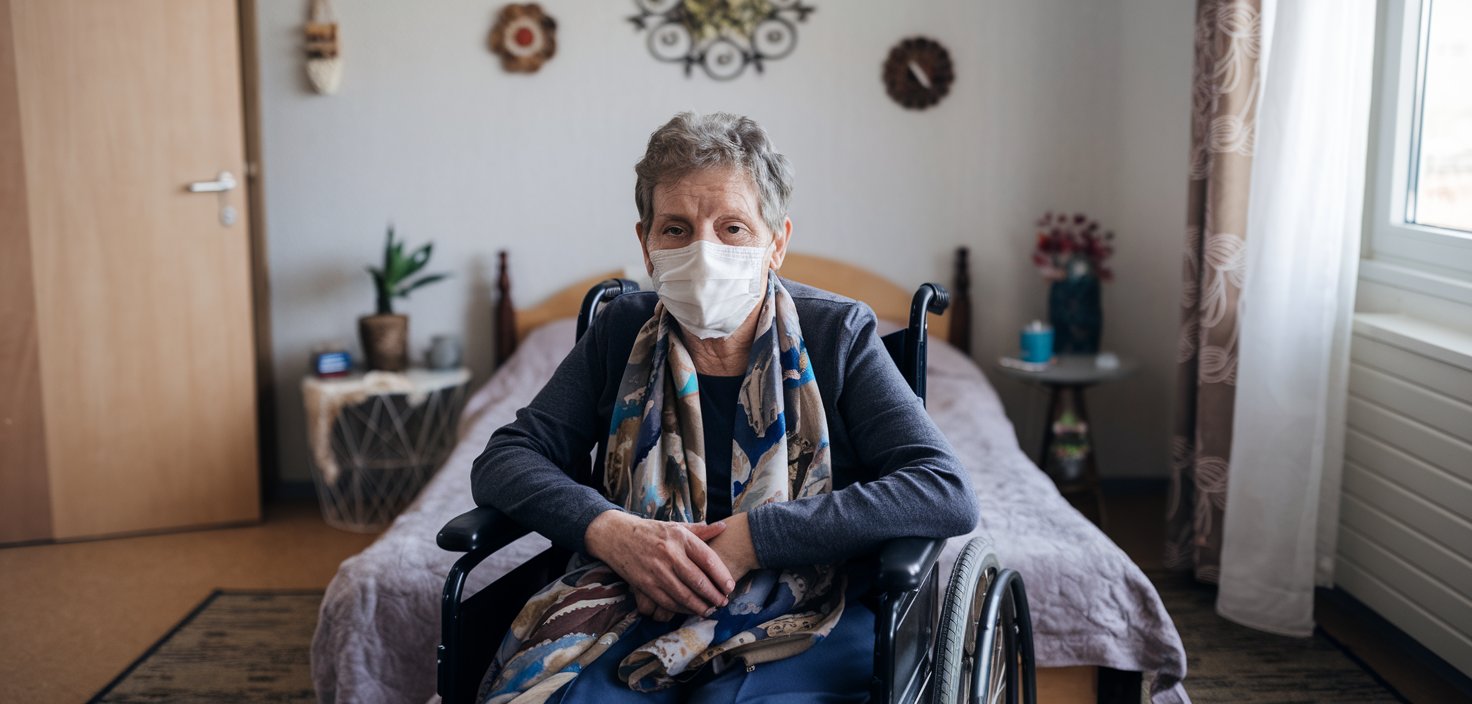
How the Pandemic Worsened Nursing Home Neglect
Understaffing has long been a problem in nursing homes, but the pandemic exacerbated this issue to a critical level. With staff members falling ill or quitting due to hazardous working conditions, many nursing homes were left with dangerously low staff-to-resident ratios. When care teams are stretched thin, essential duties-such as feeding, hygiene assistance, and medication management-fall by the wayside, leading to severe consequences for residents.
Common signs of neglect that increased during COVID-19 include:
- Malnutrition and dehydration: Many residents were left without proper meals or hydration due to limited staff availability.
- Untreated medical conditions: Delays in administering medications or addressing infections led to severe health complications.
- Increased fall risks: Without adequate supervision, elderly residents were at higher risk of falling and sustaining serious injuries.
- Bedsores and sepsis: Lack of mobility assistance caused an uptick in pressure sores, which can lead to deadly infections.
These failures were not just isolated incidents. Many nursing homes in Long Island faced legal scrutiny for their handling of the crisis, as families sought justice for their loved ones who suffered due to negligence.
Isolation and Psychological Abuse in Nursing Homes
One of the most heartbreaking aspects of the pandemic was the extreme isolation that nursing home residents experienced. While lockdown measures were intended to protect vulnerable populations, they also cut off residents from their support networks. Without regular visits from family members, many residents were left to suffer in silence.
Emotional and psychological abuse became more difficult to detect as a result. Common forms of mistreatment included:
- Verbal abuse: Some residents reported being berated or ignored by overworked staff.
- Increased use of restraints: In some cases, facilities resorted to restraints to manage understaffed conditions.
- Depression and anxiety: The absence of social interaction led to significant mental health declines among residents.
Without family members present to advocate for them, many elderly individuals endured months of neglect and mistreatment without any means of reporting it. This has led to a surge in lawsuits as families uncover the full extent of the harm done to their loved ones during the pandemic.
Legal Challenges in Nursing Home Abuse Cases During COVID-19
The COVID-19 pandemic created significant legal obstacles for families seeking justice for nursing home neglect in Long Island. Many facilities attempted to shield themselves from liability by citing unprecedented circumstances, while government protections further complicated litigation efforts. In 2020, New York enacted temporary legal immunity for nursing homes, making it difficult for families to file lawsuits against facilities for pandemic-related negligence.
However, these legal barriers did not absolve nursing homes of their duty to provide a reasonable standard of care. Courts have begun scrutinizing cases where neglect and abuse went beyond pandemic-related challenges, particularly in instances where facilities:
- Ignored or failed to enforce infection control protocols
- Admitted new residents despite being severely understaffed
- Denied residents medical treatment unrelated to COVID-19
- Failed to communicate with families about their loved one’s condition
In 2021, New York rolled back its broad legal immunity, allowing more families to seek justice for nursing home neglect during the pandemic. If your loved one suffered due to inadequate care, you may have grounds to pursue legal action against the facility responsible.
Common Injuries and Fatalities Linked to COVID-19 Nursing Home Neglect
The lack of adequate care during the pandemic resulted in a dramatic increase in serious injuries and preventable deaths in Long Island nursing homes. Many of these cases involved injuries directly linked to negligence, including:
- Severe dehydration and malnutrition: Many residents lost significant weight due to improper feeding schedules.
- Untreated infections leading to sepsis: Limited medical oversight allowed minor infections to escalate into life-threatening conditions.
- Pressure ulcers (bedsores): Residents left in the same position for long periods developed painful sores, leading to further complications.
- Repeated falls and fractures: Lack of staff to assist with mobility led to dangerous falls.
- Missed medication doses: Overwhelmed staff often failed to administer essential medications, worsening pre-existing conditions.
In the most tragic cases, wrongful death lawsuits have been filed on behalf of families who lost loved ones due to nursing home neglect. While no amount of legal action can undo the harm suffered, holding negligent facilities accountable can help prevent future abuse.
How Families Can Take Action Against Nursing Home Abuse
If you suspect your loved one was a victim of nursing home abuse or neglect during the COVID-19 pandemic, there are steps you can take to seek justice and protect others from similar harm:
- Gather evidence: Document any physical injuries, changes in health, or unusual behavior. Save any correspondence from the nursing home regarding your loved one’s condition.
- File a complaint: Report suspected abuse to the New York State Department of Health and the Long Island Adult Protective Services.
- Seek medical records: Request medical documentation to assess whether proper care was provided.
- Consult with an attorney: Legal professionals can help determine if you have grounds for a lawsuit and assist in gathering additional evidence.
Taking swift action can make a significant difference in preventing future neglect and ensuring that responsible parties are held accountable. If your loved one suffered harm, pursuing legal action may help recover compensation for medical expenses, pain and suffering, and other damages.
Contact Alonso Krangle, LLP for Legal Help with Nursing Home Abuse Cases
The attorneys at Alonso Krangle, LLP are dedicated to holding negligent nursing homes accountable for their failures during the pandemic. If your loved one suffered neglect or abuse in a Long Island nursing home, we are here to help you navigate the legal process and fight for justice.
Our firm can assist with:
- Investigating nursing home neglect and abuse cases
- Filing lawsuits against negligent facilities
- Securing compensation for medical expenses and emotional distress
- Advocating for policy changes to protect elderly residents
You don’t have to face this battle alone. Contact Alonso Krangle, LLP today for a free consultation to discuss your case and learn how we can help protect your loved one’s rights.
Speak with An Attorney
Submit This Form or Call 800-403-6191