

The Role of Technology in Detecting Nursing Home Abuse
The Role of Technology in Detecting Nursing Home Abuse
Nursing home abuse remains a significant concern for families and advocates, especially in Long Island, where elder care facilities continue to face scrutiny over their standards of care. Many families worry about the treatment their loved ones receive behind closed doors. Fortunately, advancements in technology are offering new ways to detect, prevent, and address abuse in nursing homes.
From AI-driven monitoring systems to wearable health trackers, technology is becoming a powerful tool in identifying signs of mistreatment. In an era where elder abuse is often underreported, these innovations provide families and regulators with crucial insights into the care their loved ones receive. Understanding how these technologies work and their legal implications can help families take proactive steps to protect elderly residents.
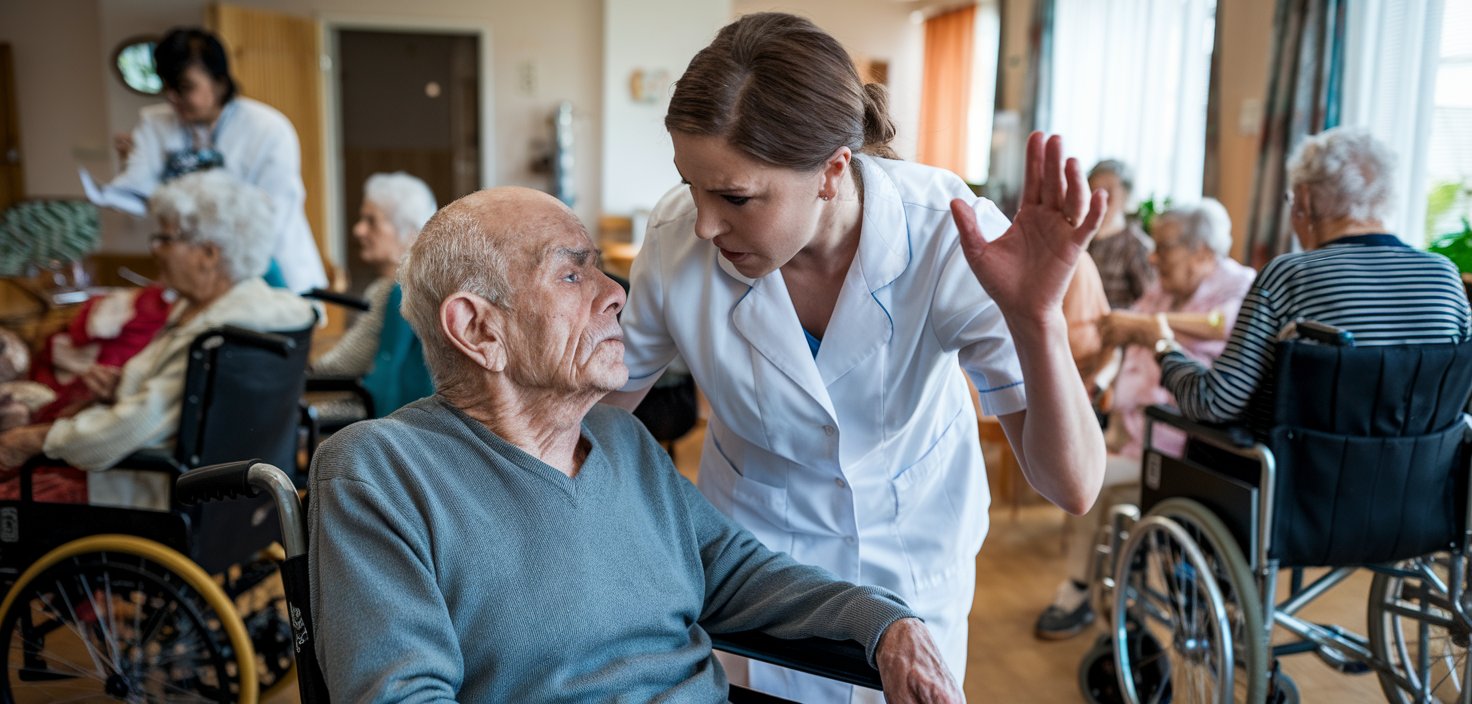
How AI and Surveillance Systems Are Transforming Nursing Home Monitoring
One of the most significant developments in nursing home abuse detection is the use of artificial intelligence (AI) and surveillance technology. AI-powered systems can analyze real-time video footage, detecting unusual behaviors such as sudden falls, aggressive interactions, or prolonged isolation of residents. These systems can automatically flag incidents that may require investigation.
Some key technologies being implemented include:
- AI-Powered Video Analytics: Surveillance cameras equipped with AI can monitor interactions between staff and residents, identifying potential abuse or neglect.
- Motion Sensors and Wearables: Devices that track movement patterns can detect when a resident has fallen or remains inactive for long periods.
- Voice Recognition Software: AI-driven voice monitoring tools can analyze tones of distress or aggression in recorded conversations.
These tools help staff and regulators intervene early, reducing the risk of ongoing abuse. However, while technology provides enhanced oversight, it also raises questions about privacy rights, particularly regarding surveillance within care facilities. This is an emerging technology and, in the years ahead, we will see how regulators, operators and residents implement these technologies.
Wearable Health Technology: Detecting Signs of Neglect and Abuse
Wearable health monitoring devices are playing a crucial role in detecting nursing home neglect. These devices track vital signs such as heart rate, blood pressure, hydration levels, and physical activity. When deviations from normal health patterns occur, alerts can be sent to caregivers or medical professionals.
Some of the benefits of wearable technology in elder care include:
- Real-Time Health Monitoring: Smartwatches and fitness trackers help track an individual’s well-being and alert caregivers if significant changes occur.
- Early Detection of Malnutrition and Dehydration: Devices can monitor hydration levels, indicating potential neglect if residents are not receiving adequate fluids.
- Preventing Falls and Injuries: GPS-enabled wearables can notify staff if a resident has wandered off or fallen.
For families in Long Island concerned about the safety of their loved ones, these devices offer an additional layer of protection. However, they must be used in conjunction with proper staffing and oversight, as no technology can replace human vigilance.
The Legal and Ethical Implications of Technology in Nursing Homes
While technology plays a crucial role in identifying and preventing nursing home abuse, it also raises important legal and ethical questions. In Long Island and across New York, privacy concerns and patient rights must be carefully balanced with the need for safety and oversight. Nursing home residents have a right to dignity and autonomy, which means any use of surveillance or monitoring technology must comply with state and federal laws.
Key legal and ethical considerations include:
- Consent and Privacy: Families and residents must be aware of monitoring devices in use, and in many cases, explicit consent may be required.
- HIPAA Compliance: Health monitoring tools must comply with the Health Insurance Portability and Accountability Act (HIPAA) to ensure patient data is protected.
- Use of Surveillance Footage: In cases of suspected abuse, video footage can be crucial evidence. However, it must be lawfully obtained to be admissible in court.
Understanding these legal boundaries is essential for families who are considering using technology to monitor a loved one’s well-being. Consulting with an attorney can help ensure that any surveillance or monitoring efforts align with legal standards while protecting the rights of the resident.
Challenges and Limitations of Technology in Abuse Detection
Despite its potential, technology is not a foolproof solution for detecting nursing home abuse. There are limitations that must be addressed to ensure that these tools are effectively implemented in Long Island nursing facilities.
Some common challenges include:
- False Positives and Errors: AI-driven monitoring can misinterpret normal behaviors as potential abuse, leading to unnecessary interventions.
- Limited Access to Data: Many nursing homes are privately owned, and families may not have direct access to surveillance footage or health monitoring data.
- Reliance on Human Oversight: Even with advanced technology, human caregivers and administrators must respond appropriately to alerts and warnings.
For these technologies to be truly effective, they must be integrated with robust regulatory enforcement and accountability measures. Nursing homes must be held responsible for implementing and responding to the findings of technology-driven monitoring systems.
How Families Can Use Technology to Protect Their Loved Ones
For families concerned about elder abuse in Long Island, there are proactive steps they can take to leverage technology in ensuring their loved ones are safe:
- Installing Personal Monitoring Devices: Family members can provide their loved ones with discreet wearable trackers to monitor health and location.
- Utilizing Video Call Check-Ins: Regular virtual visits can help families identify any visible signs of neglect or distress.
- Reviewing Nursing Home Ratings: Many online databases provide insight into past complaints and violations of nursing homes in Long Island.
- Engaging Legal Support: If abuse or neglect is suspected, seeking legal assistance can help families understand their rights and take appropriate action.
Technology offers new hope in detecting and preventing nursing home abuse, but it must be paired with strong legal protections and proactive family involvement. By staying informed and using these tools wisely, families can play a critical role in ensuring the safety and dignity of their elderly loved ones.
Contact Alonso Krangle, LLP for Help with Nursing Home Abuse Cases
If you suspect that a loved one has been a victim of abuse or neglect in a Long Island nursing home, our attorneys at Alonso Krangle, LLP are here to help. We understand the emotional and legal challenges families face in these cases and are committed to holding negligent facilities accountable.
Our team can assist you in:
- Investigating suspected abuse and gathering necessary evidence
- Filing legal claims against negligent nursing homes
- Ensuring your loved one receives the care and compensation they deserve
Don’t wait until it’s too late-if you believe abuse is occurring, taking immediate action is crucial. Contact Alonso Krangle, LLP today for a free consultation and learn how we can assist you in protecting your loved one’s rights.
Speak with An Attorney
Submit This Form or Call 800-403-6191