

Understaffed Nursing Homes: Critical Warning in Long Island
Understaffed Nursing Homes in Long Island: A Growing Crisis
Families across Long Island face rising concerns about understaffed nursing homes and the dangers that follow. Staff shortages often mean residents go without proper care, creating a cycle of neglect and injury. In some tragic cases, inadequate staffing has even led to wrongful death.
Both Nassau County and Suffolk County nursing homes have been the subject of investigations and lawsuits related to insufficient staffing. When facilities place profit above care, vulnerable residents are left to suffer. This reality underscores the importance of holding these facilities accountable under New York law.
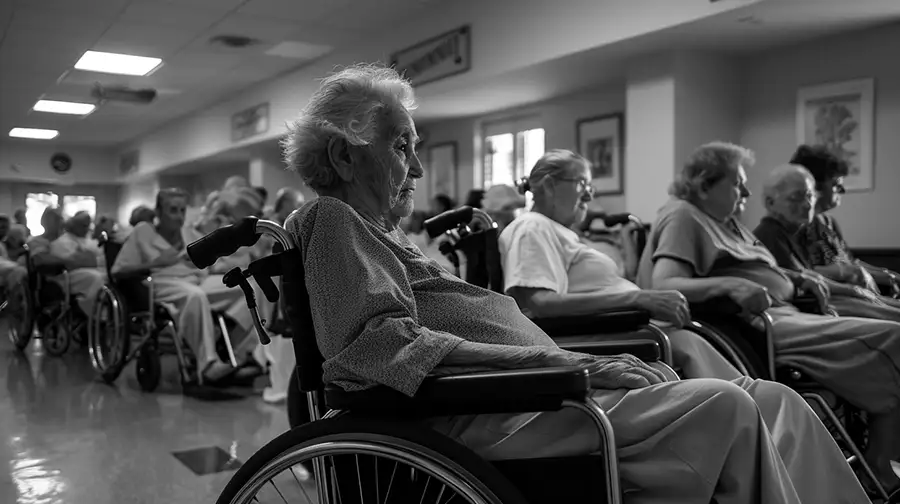
When families place loved ones in a nursing home, they expect safe conditions. Unfortunately, reports show that staff shortages often lead to untreated medical needs, ignored call bells, and even missing meals. Nassau County elder abuse cases reveal how devastating these failures can be.
As we examine the scope of understaffing in Long Island facilities, it becomes clear that this is not just an administrative problem-it is a public health crisis that places seniors at grave risk.
How Staffing Shortages Lead to Abuse and Neglect
Understaffing creates conditions where residents’ most basic needs are overlooked. From skipped meals to unassisted falls, the consequences of neglect are often life-threatening. Staff may want to provide care, but without enough hands, residents are left unattended.
Signs of emotional abuse in nursing homes also emerge in these environments. Residents may feel abandoned, ignored, or demeaned when caregivers are stretched too thin. These conditions can lead to anxiety, depression, and rapid physical decline.
Medical care is especially impacted. With too few nurses, medication errors increase, and health emergencies are missed. Families often discover bedsores, infections, or malnutrition only after conditions become severe. Nursing home neglect in Long Island is a direct result of systemic understaffing.
Recognizing these dangers allows families to intervene early, but systemic change requires legal accountability and strict enforcement of New York’s nursing home laws.
Common Injuries Linked to Understaffing
Understaffed facilities see a higher rate of preventable injuries. Seniors who need help walking may fall without assistance, while others may suffer from untreated infections or dehydration. Many of these injuries are signs of serious neglect.
Examples of injuries common in Long Island nursing homes include:
- Falls leading to broken bones or head trauma
- Untreated bedsores and sepsis
- Malnutrition and dehydration
- Medication errors and overdoses
- Neglect-related wrongful death
Each of these injuries can and should be prevented with adequate staffing. Yet cases in both Nassau and Suffolk counties prove that facilities often operate with dangerously low staff numbers. Suffolk County elder abuse signs show just how far the damage can go.
These injuries highlight the urgent need for accountability and reform in nursing homes across Long Island.
Wrongful Death and Legal Liability
In the most tragic cases, understaffing leads to wrongful death. Families have filed lawsuits after discovering that missed care, medication mistakes, or ignored emergencies directly caused their loved one’s death. These losses are devastating and preventable.
Under CPLR § 214, New York families generally have three years to file a personal injury claim, but wrongful death claims must be brought within two years. In cases involving municipal facilities, a Notice of Claim must be filed within 90 days under General Municipal Law § 50-e and lawsuits commenced within one year and 90 days under General Municipal Law § 50-i.
Additionally, Public Health Law § 2801-d allows families to pursue damages when a nursing home violates residents’ rights. Courts have repeatedly upheld that facilities owe a duty to provide proper care, regardless of staffing shortages.
These statutes give families a legal path to justice and financial recovery, ensuring facilities are held responsible for dangerous practices.
Financial Exploitation in Understaffed Facilities
Understaffing not only harms residents physically but also increases the risk of financial exploitation. With fewer staff to monitor transactions or enforce safeguards, vulnerable seniors may be coerced into signing documents or become victims of theft.
Signs of financial exploitation include unexplained withdrawals, sudden changes in wills, or missing personal property. Financial exploitation cases have been documented across Long Island, showing how under-supervision creates opportunities for abuse.
These crimes often go unnoticed until major losses occur. Families who suspect financial abuse must act quickly to protect their loved one’s rights and property. New York law provides recovery options for stolen assets.
Recognizing the connection between understaffing and increased vulnerability helps families safeguard loved ones from both physical and financial harm.
The Role of Oversight and Attorney General Actions
The New York State Attorney General has brought lawsuits against nursing homes accused of neglect and financial fraud tied to understaffing. These legal actions highlight how widespread the problem is across the state.
In one lawsuit, facilities were accused of diverting millions of taxpayer dollars while residents sat in soiled clothes, suffered untreated infections, and endured preventable deaths. These cases underscore the critical need for oversight. The Attorney General’s office continues to monitor facilities and encourage families to report abuse.
The New York State Department of Health and the Centers for Medicare & Medicaid Services (CMS) also enforce staffing standards. However, consistent violations prove that enforcement alone is not enough. Public awareness and family advocacy remain key.
Families in Nassau and Suffolk counties should know they have both government support and private legal options when challenging unsafe nursing home practices.
Steps Families Can Take to Protect Loved Ones
Families play a vital role in identifying and preventing neglect. Visiting frequently, documenting conditions, and asking questions about staffing levels can reveal early warning signs. Knowing your rights is the first step toward prevention.
Important steps include:
- Checking for physical signs like bruises, bedsores, or weight loss
- Reviewing medical records and medication schedules
- Speaking with staff about daily care routines
- Reporting concerns to the Department of Health or Attorney General
- Consulting with nursing home attorneys if neglect is suspected
These steps not only protect residents but also create a record that can support legal claims if necessary. Families must stay proactive in safeguarding loved ones.
Preventing wrongful death or serious injury requires ongoing vigilance, especially in understaffed Long Island nursing homes.
Prevention and Policy Reform
Preventing understaffing requires more than family vigilance-it requires systemic reform. Advocates push for stricter staffing laws, transparency in facility operations, and stronger penalties for violations.
Policy reform efforts focus on setting minimum staffing ratios and requiring public disclosure of staff levels. Advocacy for seniors continues to shape these reforms, aiming to close loopholes that allow facilities to cut corners.
Until reforms are fully in place, families must remain cautious when selecting nursing homes. Asking direct questions about staffing and reviewing inspection reports are key protective measures. Stronger laws and enforcement will eventually improve conditions, but vigilance today saves lives.
Long Island’s nursing homes must be held to the highest standard to prevent abuse, neglect, and wrongful death.
Protect Your Family from Understaffed Nursing Homes
Understaffing in nursing homes is not a staffing problem-it is a safety crisis. Families in Long Island, Nassau County, and Suffolk County must remain alert to protect their loved ones. When neglect or wrongful death occurs, New York law provides strong legal remedies.
If you suspect neglect or injury due to understaffing, legal guidance can help you pursue justice. Contact Alonso Krangle, LLP today at 800-403-6191 or using the form on this website to learn about your options and how we can help safeguard your loved ones’ rights.
Frequently Asked Questions About Understaffed Nursing Homes
What are the warning signs of understaffing in a nursing home?
Warning signs include unanswered call bells, poor hygiene, and missed meals. These issues often point to neglect and unsafe care.
How does understaffing lead to wrongful death?
Understaffing delays emergency response and medical care, sometimes fatally. Missed treatments or ignored emergencies often result in preventable deaths.
When should I file a lawsuit for nursing home neglect in New York?
Most personal injury cases must be filed within three years. Wrongful death claims generally must be filed within two years (CPLR § 214).
Who oversees nursing home staffing levels in New York?
The New York State Department of Health and CMS regulate staffing levels. The Attorney General also investigates serious violations of resident rights.
Can financial exploitation happen in understaffed nursing homes?
Yes, reduced supervision creates opportunities for theft or fraud. Families should monitor bank accounts and property for suspicious changes.
What compensation is available for neglect cases?
Compensation may include medical costs, pain and suffering, and wrongful death damages. A nursing home accident lawyer can help pursue these claims.
How can families prevent neglect in Long Island nursing homes?
Families should visit often, document concerns, and demand answers about staffing. Early reporting helps protect vulnerable residents from harm.
Speak with An Attorney
Submit This Form or Call 800-403-6191