

Protecting Loved Ones From Nursing Home Abuse and Neglect
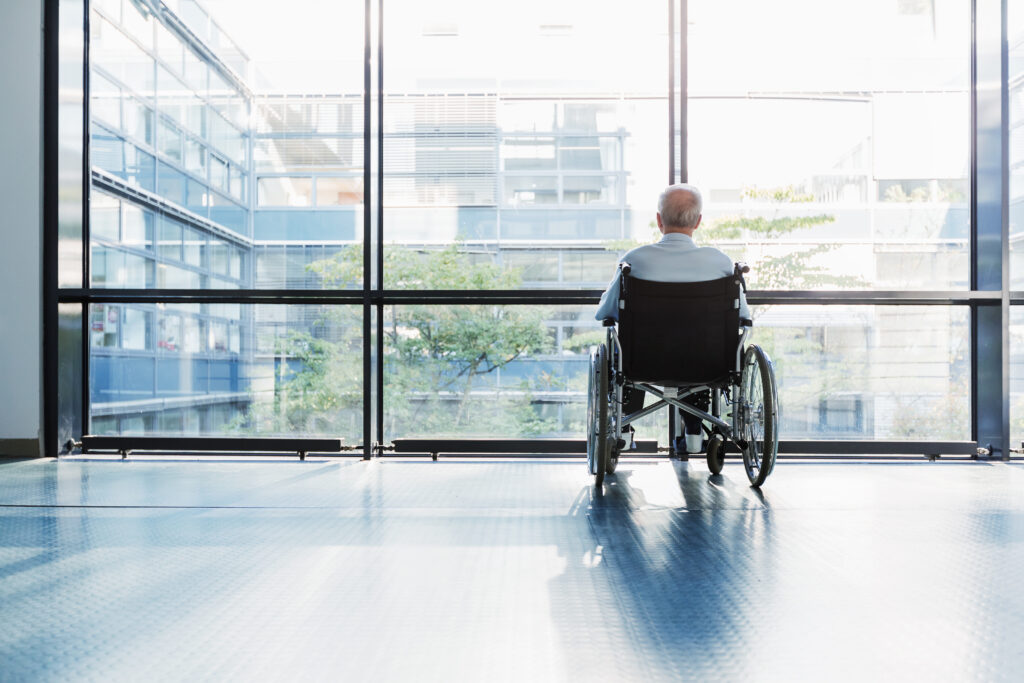
Making the decision to move a loved one into a nursing home is never easy. Families trust these facilities to provide compassionate care, meet residents’ daily needs, and create a safe environment where older adults can receive the attention they deserve. While many nursing homes provide quality care, abuse and neglect remain serious concerns. When residents are mistreated or their needs are ignored, the consequences can be devastating. Older adults may suffer physical injuries, emotional trauma, declining health, and a loss of dignity—all while depending on others for their daily care.
Recognizing the warning signs of nursing home abuse is one of the most important ways families can help protect their loved ones. For families throughout Long Island, Nassau County, Suffolk County, Queens, and New York, understanding these signs and knowing when to ask questions can make a meaningful difference.
Understanding the Difference Between Abuse and Neglect
Although the terms are often used together, abuse and neglect are not always the same.Abuse generally involves intentional actions that cause harm to a resident, while neglect occurs when a nursing home or caregiver fails to provide the level of care a resident reasonably needs. Both situations can place vulnerable individuals at risk for serious injury or illness. Examples may include physical abuse, emotional abuse, financial exploitation, inadequate supervision, poor hygiene, untreated medical conditions, or failing to provide proper nutrition and hydration.
Common Warning Signs Families Should Watch For
Some signs of abuse or neglect are obvious, while others develop gradually over time. Because many nursing home residents have medical conditions that make it difficult to communicate, family members are often the first to notice that something seems wrong.
Warning signs may include:
- Unexplained bruises, cuts, burns, or fractures
- Bedsores or pressure ulcers
- Sudden weight loss or signs of dehydration
- Poor personal hygiene or unsanitary living conditions
- Frequent infections or untreated medical issues
- Changes in behavior, anxiety, or withdrawal
- Fearfulness around certain staff members
- Missing personal belongings or unusual financial activity
One warning sign alone does not necessarily mean abuse has occurred. However, a pattern of concerning behavior or unexplained injuries should never be ignored.
Why Nursing Home Neglect Can Be So Dangerous
Neglect may not always leave visible injuries, but its effects can be just as serious. Residents often rely on caregivers for medications, mobility assistance, meals, bathing, and medical attention. When these basic needs are not met, their health can decline quickly.
For example, failing to reposition a bedridden resident can lead to painful pressure ulcers. Delayed medical treatment may allow infections to worsen, while inadequate supervision can increase the risk of falls and other preventable injuries. Many cases of neglect develop over time, making regular visits from family members especially important.
What Families Can Do If They Suspect Abuse
If you believe a loved one may be experiencing abuse or neglect, taking prompt action can help protect their health and preserve important information.
Consider taking the following steps:
- Document visible injuries or concerning conditions with photographs.
- Keep notes about changes in your loved one’s physical or emotional condition.
- Speak with nursing home administrators about your concerns.
- Request copies of relevant medical records when appropriate.
- Report suspected abuse to the appropriate state authorities if immediate intervention is needed.
Every situation is unique, and acting quickly may help prevent additional harm.
Can Families Pursue a Legal Claim?
When abuse or neglect causes injury, families may have legal options depending on the circumstances. A claim may involve allegations that a nursing home failed to provide appropriate care, hired unqualified staff, ignored complaints, or failed to protect residents from preventable harm.
Potential compensation may help address:
- Medical expenses
- Pain and suffering
- Costs related to additional care
- Other damages resulting from the resident’s injuries
Determining whether a legal claim exists often requires reviewing medical records, facility documentation, witness statements, and other evidence.
Protecting the Rights and Dignity of Nursing Home Residents
Every nursing home resident deserves to be treated with compassion, dignity, and respect. Families should never feel that concerns about a loved one’s care are being dismissed or ignored. Regular visits, open communication, and paying attention to changes in a resident’s appearance or behavior can help identify problems before they become more serious. While many caregivers work hard to provide excellent care, facilities that fail to protect residents should be held accountable when preventable harm occurs.
Alonso Krangle Fight for Victims of Nursing Home Abuse
Discovering that a loved one may have suffered abuse or neglect in a nursing home can be overwhelming. Families deserve answers, and residents deserve to be treated with the care and respect they were promised. Alonso Krangle represents victims and families throughout Long Island, Nassau County, Suffolk County, Queens, and New York in nursing home abuse, neglect, and other serious personal injury matters. The firm is committed to helping families pursue accountability when vulnerable individuals have been harmed. If you suspect your loved one has been abused or neglected in a nursing home, contact Alonso Krangle for a free consultation and a confidential conversation about your rights. Call us at 800-403-6191 or contact us online.
Speak with An Attorney
Submit This Form or Call 800-403-6191