

Understanding the FDA’s Class I Recall of Boston Scientific Pacemakers
Understanding the FDA’s Class I Recall of Boston Scientific Pacemakers
In December 2024, Boston Scientific issued an urgent advisory concerning several models in its Boston Scientific pacemaker product line. This advisory soon escalated to a Class I recall by the FDA-the agency’s most serious type-indicating that continued use of the affected devices could cause severe injury or death. The root cause? A manufacturing flaw affecting the battery, which may cause the device to enter what’s known as “Safety Mode,” drastically reducing its ability to support heart rhythm management.
This recall has sent shockwaves through the medical community and affected patients alike. For individuals who rely on these devices for life-sustaining pacing, the implications are immediate and serious. If your or your loved one’s pacemaker is part of this recall, there are steps you need to take now to protect your health and preserve your legal rights.
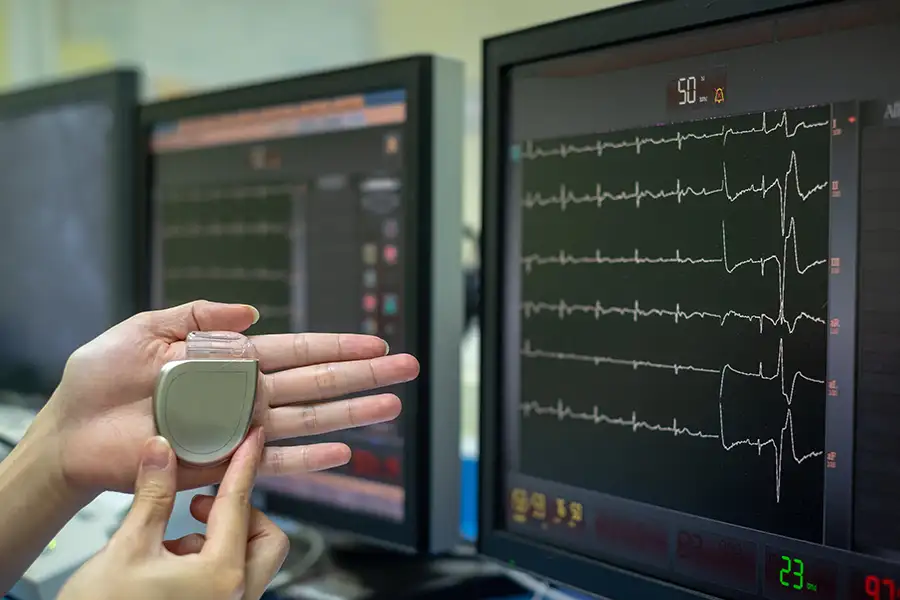
In this post, we’ll break down what led to this recall, which devices are affected, the dangers of Safety Mode, and what actions patients can-and should-take.
Why the FDA Issued a Class I Recall of Boston Scientific Pacemakers
The FDA pacemaker recall 2025 was initiated after it was discovered that a subset of Boston Scientific’s pacemakers, primarily those manufactured before September 2018, are susceptible to an internal battery defect. This defect can cause a sudden increase in internal resistance (also called high battery impedance), especially as the battery approaches the end of its service life-around four years remaining.
This condition triggers a cascade of problems. Specifically, the device may undergo multiple power-on resets in quick succession. If three resets occur within 48 hours, the pacemaker automatically switches to Safety Mode. Once activated, Safety Mode cannot be reversed, and the device must be surgically replaced. Boston Scientific confirmed that no affected devices remain available for implantation, but many are still in active use by patients.
The FDA classified this recall as Class I due to the life-threatening consequences that can result from the device entering Safety Mode unexpectedly, particularly in patients who are pacing-dependent. As of the latest data, there have been 832 reports of injury and at least two deaths linked to these failures.
What Happens When a Pacemaker Enters Safety Mode?
Safety Mode is designed to preserve life-sustaining function in emergencies, but it has serious limitations. It switches the device to a low-functioning state using non-programmable settings, including unipolar sensing and pacing, fixed rates, and reduced adaptability to patient needs. For cardiac resynchronization therapy pacemakers (CRT-Ps), the loss of coordinated biventricular pacing can severely affect heart failure management.
Patients may experience symptoms like lightheadedness, fainting, or worsening heart failure if their device enters Safety Mode. In some cases, especially during remote monitoring or standard telemetry checks, the mode may initiate without warning-posing greater risks if the patient is not in a monitored setting.
According to Boston Scientific, about 70% of Safety Mode activations occurred during in-office device checks, but the remaining 30% took place while patients were going about their daily lives. This unpredictability is one of the primary concerns raised by this recall. As a result, affected patients are being closely monitored and may be advised to replace their Accolade pacemaker or other related models proactively.
Which Devices Are Affected by the Boston Scientific Recall?
The Class I recall includes multiple models across the Boston Scientific Accolade family, encompassing both pacemakers and cardiac resynchronization therapy devices. Devices most at risk were manufactured prior to September 2018 and include:
- ACCOLADE™ DR SL, SL MRI, EL, EL MRI
- PROPONENT™ DR SL, SL MRI, EL, EL MRI
- ESSENTIO™ DR SL, SL MRI, EL, EL MRI
- ALTRUA™ 2 DR SL and EL
- VISIONIST™ CRT-P EL and EL MRI
- VALITUDE™ CRT-P EL and EL MRI
These models were sold nationwide, including in Puerto Rico, Guam, and the U.S. Virgin Islands, as well as internationally. Approximately 156,000 units were affected globally, with just under 60,000 distributed in the U.S.
Patients and caregivers can use Boston Scientific’s online device lookup tool to determine whether a specific device is included in the recall. All you need is the model and serial number, which your cardiologist or medical provider can supply.
To date, devices manufactured after 2018 are not included in the advisory, thanks to refined cathode processing methods that reduced lithium salt concentrations in the batteries-a major cause of the issue.
What Are the Medical Risks of a Defective Pacemaker?
Any defective pacemaker lawsuit will center on the potentially life-threatening complications of Safety Mode. While intended as a backup, the sudden switch can lead to:
- Bradycardia: dangerously slow heart rates
- Syncope: fainting due to loss of effective pacing
- Loss of pacing: especially dangerous in pacemaker-dependent patients
- Heart failure decompensation: especially in CRT-P recipients
- Phrenic nerve stimulation: causing diaphragm twitching and discomfort
There are documented cases where patients, unaware their pacemaker had failed, collapsed unexpectedly. In two confirmed instances, this led to fatal outcomes. These tragedies could have been prevented with earlier detection or proactive device replacement.
Patients who have suffered injuries, been hospitalized, or required emergency surgery after a Safety Mode event should preserve all medical records, explanted devices, and communications from Boston Scientific. These may be crucial in determining liability and obtaining compensation.
What Should Patients Do If They Have an Affected Device?
If you or a loved one has an affected Boston Scientific pacemaker, immediate steps should be taken to reduce risk. The FDA and Boston Scientific both recommend ongoing monitoring and prompt device replacement where warranted:
- Schedule an appointment with your cardiologist to confirm whether your device is part of the recall
- Discuss eligibility for remote monitoring via Boston Scientific’s LATITUDE™ system
- Evaluate the risk of harm from Safety Mode based on your current pacing needs
- If your device has less than four years of battery life remaining, replacement may be recommended
- If the device enters Safety Mode, emergent surgical replacement is necessary
Legal Options: Can You File a Defective Pacemaker Lawsuit?
Patients who suffer injury or undergo surgery due to the malfunctioning battery in a Boston Scientific pacemaker may be entitled to pursue legal claims. These cases typically involve one or more of the following:
- Product liability for a defective medical device
- Failure to warn patients and healthcare providers of known risks
- Negligent manufacturing practices, including flawed cathode processing
- Complications from surgical device replacement
Compensation may be available for medical expenses, lost wages, pain and suffering, and, in rare cases, wrongful death. If you required surgery after your pacemaker entered Safety Mode-or lost a loved one due to this failure-you may have a claim.
Our attorneys are already investigating claims related to this recall. We understand the complex intersection of medical device law and patient injury and can help you evaluate your options during a confidential consultation.
How Our Firm Can Help if You’ve Been Affected
This isn’t just a technical recall-it’s a public health issue affecting thousands of people relying on these devices to stay alive. If you or someone you care about has been impacted by the recall of a Boston Scientific pacemaker, don’t wait to take action.
Our firm is committed to helping patients harmed by defective medical devices. We will help you:
- Identify whether your device is part of the recall
- Gather medical documentation and establish the timeline of your case
- Coordinate with your healthcare providers to assess injuries and ongoing risks
- File claims for compensation, either individually or as part of broader legal action
Boston Scientific’s own documents confirm the risks. Now it’s time for accountability. Reach out to our lawyers today to discuss your case and protect your rights.
Contact Alonso Krangle, LLP Today If You Have a Recalled Pacemaker
If your pacemaker is part of the Boston Scientific recall, you need answers-and you may need legal help. The risks are real, and the consequences can be severe. Our firm is here to help patients navigate both the medical and legal impact of this recall.
Don’t wait until you’ve suffered harm to act. Call 800-403-6191 or complete the contact form on this page to speak with our team. We’ll walk you through your rights, help determine whether your device is affected, and fight for the compensation you deserve.
Speak with An Attorney
Submit This Form or Call 800-403-6191