

Defective Hip Implants: When a Medical Device Causes More Harm Than Healing
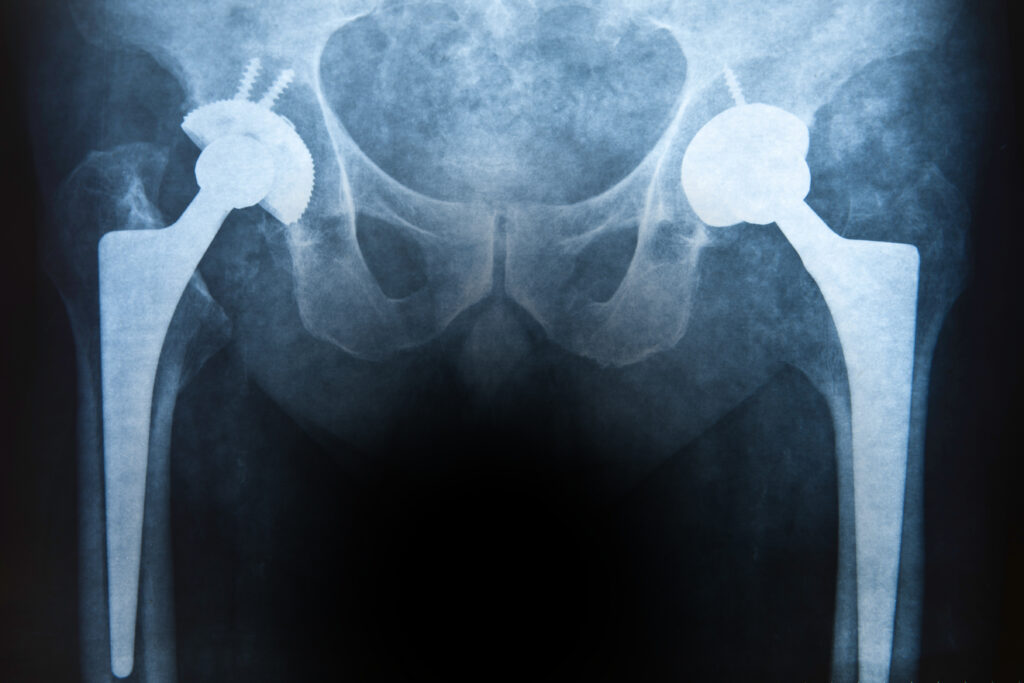
Hip replacement surgery has helped millions of people regain mobility and improve their quality of life. Whether performed because of arthritis, injury, or another medical condition, patients undergo these procedures with the expectation that the implant will reduce pain and provide lasting results. Unfortunately, that is not always the case. Some patients experience serious complications after receiving a hip implant, including device failure, premature wear, loosening of the implant, or metal-related complications. In some situations, these problems may be linked to defects in the medical device itself rather than the patient’s underlying condition.
When a defective hip implant causes unnecessary pain or additional medical treatment, patients may have legal options. Understanding how these cases arise and what steps to take can help individuals make informed decisions about their health and their future.
What Is a Defective Hip Implant?
A hip implant is a medical device designed to replace all or part of the natural hip joint. While many implants function as intended, some have been associated with problems that can develop months or even years after surgery.
A defective hip implant may involve issues related to:
- Design defects that make the device unsafe
- Manufacturing defects that affect quality or durability
- Inadequate warnings about known risks
- Components that fail earlier than expected
Not every failed hip replacement is the result of a defective device. However, when an implant does not perform as it reasonably should because of a defect, the manufacturer may be held responsible under product liability laws.
Common Complications Associated With Hip Implants
Patients often expect some discomfort during the recovery process after hip replacement surgery. However, ongoing pain or new symptoms long after recovery may indicate that something is wrong.
Some of the more common complications linked to defective hip implants include:
- Persistent hip or groin pain
- Difficulty walking or reduced mobility
- Implant loosening or instability
- Bone loss around the implant
- Metal debris from implant components
- Infection requiring additional treatment
- Dislocation of the artificial joint
In many cases, these complications can interfere with daily activities and significantly affect a person’s quality of life.
When Revision Surgery Becomes Necessary
One of the most serious consequences of a defective hip implant is the need for revision surgery. Unlike the original hip replacement, revision procedures are often more complex and may involve a longer recovery. Patients may require revision surgery if the implant fails prematurely, becomes loose, fractures, or causes damage to surrounding bone and tissue. Additional surgeries can also increase the risk of infection, prolonged rehabilitation, and other complications. For many patients, revision surgery means more than another medical procedure—it often means additional time away from work, increased medical expenses, and months of physical recovery.
How Defective Hip Implant Claims Work
Unlike traditional medical malpractice claims, defective hip implant cases are generally handled as product liability claims. Instead of focusing on the actions of the surgeon or healthcare provider, these claims often examine whether the manufacturer produced or sold an unsafe medical device.
Depending on the circumstances, a claim may involve questions such as:
- Was the implant defectively designed?
- Did the manufacturer know about potential risks?
- Were adequate warnings provided to doctors and patients?
- Could the injury have been prevented with a safer design?
Every case is unique, and determining liability often requires reviewing medical records, device information, and the patient’s treatment history.
Evidence That May Support a Hip Implant Claim
Medical device cases frequently involve extensive documentation. Preserving records related to the implant and subsequent treatment can help establish how the complications developed.
Evidence may include:
- Medical records
- Operative reports
- Imaging studies such as X-rays or MRIs
- Implant identification information
- Records of revision surgery
- Documentation of ongoing medical treatment
Keeping records of symptoms, missed work, and the impact on daily life may also help demonstrate how the injury has affected the patient.
The Lasting Impact of a Defective Medical Device
A failed hip implant can affect far more than a person’s mobility. Many patients experience chronic pain, emotional stress, financial hardship, and limitations that make everyday activities difficult.
Simple tasks such as walking, driving, exercising, or caring for family members may become challenging. For older adults, reduced mobility may also increase the risk of additional falls and injuries. Understanding the full impact of these complications is an important part of evaluating a potential claim.
Alonso Krangle Fight for Victims of Defective Hip Implant
Patients trust that medical devices placed inside their bodies have been thoroughly tested and are safe to use. When a defective hip implant causes unnecessary pain, additional surgeries, or long-term complications, you deserve answers about your legal rights. Alonso Krangle helps injury victims throughout Long Island, Nassau County, Suffolk County, Queens, and New York pursue compensation in complex product liability and medical injury cases. If you or a loved one suffered injuries related to a defective medical device, contact Alonso Krangle for a free consultation and confidential case evaluation. Call us at 800-403-6191 or contact us online for a free consultation and confidential case evaluation. in complex defective medical device and product liability cases.
Speak with An Attorney
Submit This Form or Call 800-403-6191