

What Patients Should Know About Olympus Endoscope Infection Lawsuits
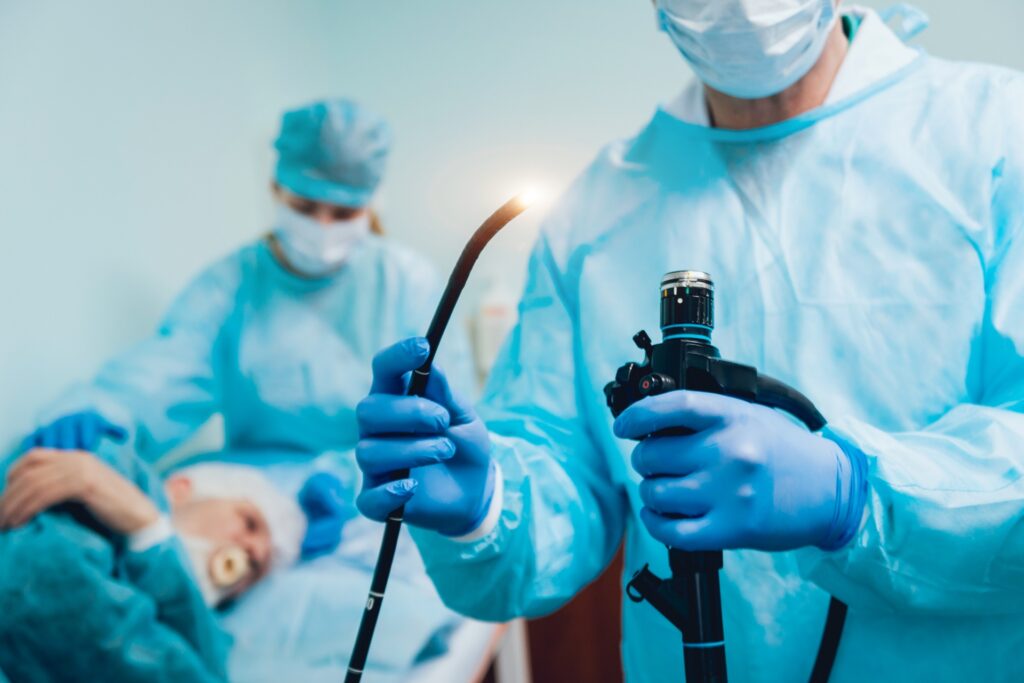
Endoscopy procedures are performed every day in hospitals and medical facilities throughout the country. Doctors often use endoscopes and duodenoscopes to diagnose and treat conditions involving the digestive tract, pancreas, and bile ducts. For many patients, these procedures are considered routine and are performed without complication.
However, Olympus endoscopes and duodenoscopes have become the focus of growing litigation after reports linked certain devices to serious bacterial infections. According to public reports and FDA safety communications, some patients allegedly developed dangerous infections after undergoing procedures involving reusable scopes that may have been difficult to fully disinfect between uses. As investigations and lawsuits expanded, concerns grew over whether certain Olympus devices could retain harmful bacteria even when healthcare facilities followed manufacturer cleaning instructions.
Why Olympus Endoscopes Became the Focus of Lawsuits
Much of the litigation surrounding Olympus devices centers around duodenoscopes used during ERCP procedures, which allow doctors to examine and treat issues involving the pancreas and bile ducts. Unlike simpler medical devices, duodenoscopes contain small moving parts and intricate internal components that can make cleaning and sterilization far more complicated. According to FDA materials, investigators raised concerns that bacteria could remain trapped inside certain scopes despite repeated cleaning procedures.
Lawsuits involving Olympus scopes generally allege issues such as:
- Difficult-to-clean device designs
- Inadequate safety warnings
- Infection risks tied to reusable scopes
- Failure to fully disclose contamination concerns
- Serious complications following procedures
Many patients reportedly underwent procedures expecting routine treatment, only to later develop severe infections and unexpected medical complications.
Serious Infections Allegedly Linked to Olympus Scopes
One of the most alarming concerns connected to the litigation involved reports of carbapenem-resistant Enterobacteriaceae (CRE), a dangerous antibiotic-resistant bacteria often referred to as a “superbug.” According to FDA reports and public investigations, some patients allegedly developed infections after undergoing procedures involving contaminated duodenoscopes. In certain cases, the infections reportedly led to severe complications requiring extensive medical treatment. Complications discussed in Olympus scope lawsuits and investigations have included:
- Severe bacterial infections
- Sepsis
- Extended hospitalization
- Organ complications
- Additional surgeries or procedures
- In some reported cases, death
These allegations drew national attention because many of the procedures involved were considered relatively common medical treatments.

FDA Investigations and Regulatory Scrutiny
As infection concerns grew, the FDA issued multiple safety communications related to duodenoscope contamination risks and reprocessing procedures. Federal regulators also required additional studies involving infection transmission and device safety.
The FDA publicly stated that Olympus Medical Systems Corporation pleaded guilty in connection with failing to properly submit required adverse event reports involving infections allegedly tied to certain duodenoscopes. Regulatory scrutiny surrounding these devices eventually led manufacturers to introduce redesigned scopes and disposable components intended to reduce contamination risks and improve patient safety.
Why These Cases Often Involve Product Liability Claims
Olympus endoscope lawsuits are commonly handled as product liability claims because many allegations focus on the design and safety of the devices themselves. In these cases, injured patients may claim that:
- The devices were defectively designed
- The scopes could not be adequately sterilized
- Safety risks were not fully disclosed
- Manufacturers failed to provide proper warnings
Product liability cases involving medical devices can become highly complex because they often require extensive medical evidence, expert testimony, FDA documentation, and technical analysis regarding device design and cleaning procedures.
Symptoms Patients Should Not Ignore After a Procedure
While most endoscopy procedures are completed safely, patients who recently underwent procedures involving duodenoscopes or similar medical devices should pay attention to unusual symptoms afterward. Potential warning signs of infection may include:
- Fever or chills
- Severe abdominal pain
- Nausea or vomiting
- Fatigue or weakness
- Difficulty recovering after a procedure
Anyone experiencing serious symptoms after a medical procedure should seek prompt medical attention and discuss concerns directly with a healthcare provider.
Alonso Krangle Fight for Victims of Olympus Endoscope Infection
Medical device litigation involving Olympus endoscopes highlights the serious consequences patients may face when allegedly defective medical equipment contributes to preventable infections and complications. Alonso Krangle helps injury victims throughout Long Island, Nassau County, Suffolk County, Queens, and New York pursue compensation in complex product liability and medical injury cases. If you or a loved one experienced serious complications or infections following an endoscopy procedure, contact Alonso Krangle LLP for a free consultation and confidential case evaluation. Call us at 800-403-6191 or contact us online for a free consultation and confidential case evaluation.
Endoscopy Infection Lawsuit FAQs
What Scope-Related Procedures Could Result in Infections and Legal Claims?
Several medical procedures involving reusable endoscopes and duodenoscopes have been linked to concerns about contamination and infection risks. While many of these procedures are performed safely every day, lawsuits involving Olympus scopes largely focus on situations where patients allegedly developed serious infections after undergoing routine diagnostic or treatment procedures. Other scope-related procedures that may involve reusable endoscopic devices include:
- Upper endoscopy procedures
- Colonoscopy procedures
- Bronchoscopy procedures involving the lungs
- Gastrointestinal diagnostic procedures
- Pancreatic and bile duct procedures
Can you get sepsis from an endoscopy?
Yes, patients may be at risk of developing sepsis if an endoscope is contaminated with bacteria that enter the body during a procedure. Duodenoscopes and other reusable endoscopes have small channels and moving parts that can trap tissue or fluid, making thorough cleaning difficult. If harmful bacteria remain, they can cause infections that sometimes progress to sepsis, a serious and potentially life-threatening condition.
Who Is Eligible to File a Lawsuit for Olympus Scope Infections and Injuries?
Patients who developed serious infections or other complications after undergoing procedures involving Olympus endoscopes or duodenoscopes may potentially qualify to pursue legal claims, depending on the circumstances surrounding their injuries and medical treatment.
You may qualify if:
- You (or a loved one) had a qualifying procedure using an Olympus scope;
- The procedure occurred in or after 2015;
- Developed a serious infection (including sepsis, organ failure, death, or tuberculosis) within 30 days of the scope procedureor
- Were diagnosed with HIV following a scope procedure.
What Evidence Is Required to Support an Olympus Scopes Lawsuit?
Evidence in an Olympus scopes lawsuit may include medical records, procedure documentation, infection diagnoses, hospital records, and proof linking the patient’s complications to an endoscopy or ERCP procedure involving a duodenoscope. In some cases, FDA reports, device information, and expert medical opinions may also help support a claim.
Did the FDA investigate Olympus duodenoscope safety concerns?
Yes. The FDA issued multiple safety communications regarding infection risks associated with reusable duodenoscopes and required manufacturers to conduct postmarket surveillance studies. The agency also encouraged the transition toward redesigned scopes and disposable components intended to reduce contamination risks.
Speak with An Attorney
Submit This Form or Call 800-403-6191