

What Types of Infections Have Been Linked to Olympus Scopes?
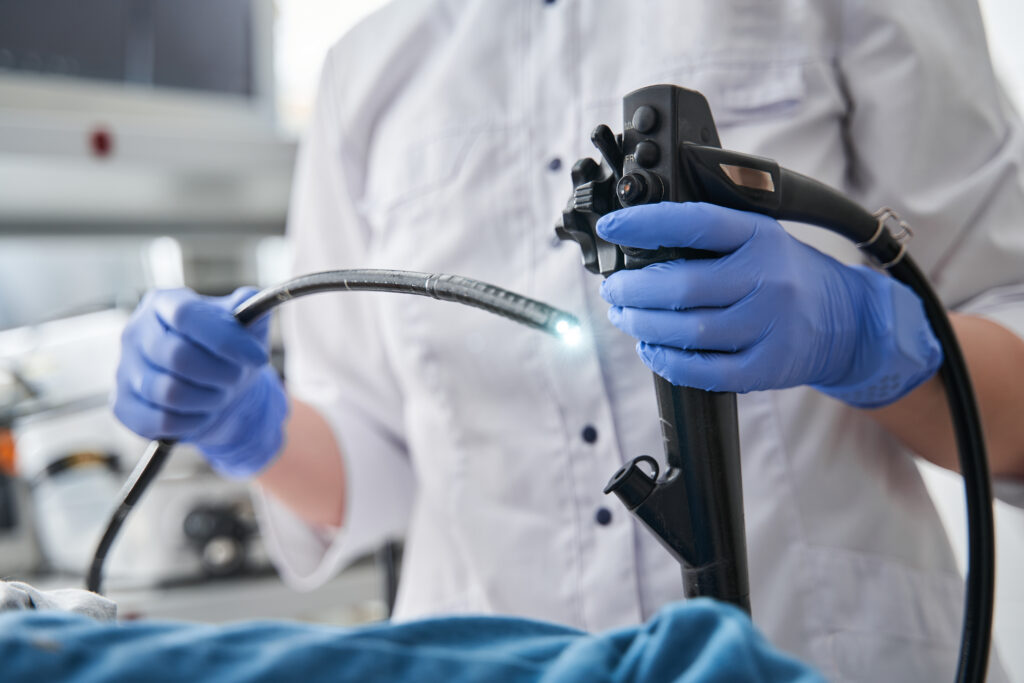
Medical procedures involving endoscopes and duodenoscopes are commonly performed to diagnose and treat conditions affecting the digestive system, pancreas, and bile ducts. For most patients, these procedures are completed without serious complications. However, concerns involving certain Olympus scopes have led to lawsuits, regulatory investigations, and questions about patient safety. Much of the litigation centers on allegations that some reusable Olympus duodenoscopes were difficult to completely disinfect between procedures, potentially allowing harmful bacteria to remain on the device and spread to subsequent patients. As reports of infections emerged, federal regulators and healthcare providers began examining whether certain scope designs contributed to contamination risks.
Why Infection Concerns Emerged
Unlike many medical instruments, duodenoscopes contain intricate internal channels and moving parts. These complex components can make cleaning and sterilization more challenging. According to public reports and FDA communications, some patients allegedly developed infections after procedures involving reusable duodenoscopes. These reports raised concerns that bacteria could remain inside certain devices despite healthcare facilities following recommended cleaning procedures.
As a result, patients who experienced unexpected infections following endoscopic procedures began filing lawsuits alleging that the devices were defectively designed or carried risks that were not adequately disclosed.
The Types of Infections Reportedly Linked to Olympus Scopes
The most widely discussed infections involve antibiotic-resistant bacteria. These infections can be particularly dangerous because they may not respond to commonly used medications. Reported infections have included:
- Carbapenem-resistant Enterobacteriaceae (CRE)
- E. coli infections
- Klebsiella infections
- Other serious bacterial infections
- Sepsis resulting from infection complications
CRE infections have received significant attention because they are often referred to as “superbug” infections due to their resistance to many antibiotics. These infections can be especially dangerous for individuals who are already medically vulnerable.
How Serious Can These Infections Become?
For some patients, an infection may be treatable with prompt medical intervention. For others, the consequences can be much more severe. Complications associated with serious bacterial infections may include extended hospitalization, additional medical procedures, organ damage, and prolonged recovery periods. In some reported cases discussed in litigation and regulatory investigations, infections allegedly contributed to life-threatening complications. These concerns helped fuel increased scrutiny from regulators and prompted manufacturers to explore design modifications intended to reduce contamination risks.
Why Olympus Scope Lawsuits Have Been Filed
Many Olympus scope lawsuits focus on allegations that certain devices were difficult to safely reprocess and disinfect. Plaintiffs generally claim that contamination risks exposed patients to preventable infections and related injuries. Product liability claims involving medical devices often examine questions such as:
- Whether a device was reasonably safe
- Whether safer alternative designs existed
- Whether adequate warnings were provided
- Whether manufacturers properly disclosed known risks
Because these cases involve highly technical medical and scientific evidence, they are often significantly more complex than traditional personal injury claims.
What Patients Should Do if They Experience Complications
Most endoscopy procedures are completed safely and without incident. However, patients who develop unusual symptoms after a procedure should seek medical attention promptly. Potential warning signs may include:
- Fever or chills
- Severe abdominal pain
- Nausea or vomiting
- Unexplained fatigue
- Signs of infection requiring additional treatment
Keeping records of procedures, diagnoses, and follow-up treatment may also be helpful if questions later arise regarding the cause of an infection.
Alonso Krangle Fight for Victims of Olympus Endoscope Infection
Patients trust medical devices to function safely during important procedures. When concerns arise that a device may have contributed to a preventable infection, understanding your legal rights can be an important step forward. Alonso Krangle helps injury victims throughout Long Island, Nassau County, Suffolk County, Queens, and New York pursue compensation in complex product liability and medical injury cases. If you or a loved one experienced serious complications or infections following an endoscopy procedure, contact Alonso Krangle LLP for a free consultation and confidential case evaluation. Call us at 800-403-6191 or contact us online for a free consultation and confidential case evaluation.
Speak with An Attorney
Submit This Form or Call 800-403-6191