

Wrongful Death: Tragic Situations in Long Island Nursing Homes
Wrongful Death in Long Island Nursing Homes: Families Deserve Justice
Losing a loved one due to wrongful death in a nursing home is devastating. Families trust these facilities to provide safety, but neglect and abuse too often lead to preventable tragedies. On Long Island, wrongful death cases frequently arise from understaffing, untreated medical conditions, or outright abuse.
When negligence claims the life of a vulnerable resident, families in Nassau and Suffolk counties are left searching for answers and accountability. New York law gives them legal rights to pursue justice against those responsible. These cases are not only about compensation but also about protecting other seniors from the same fate.
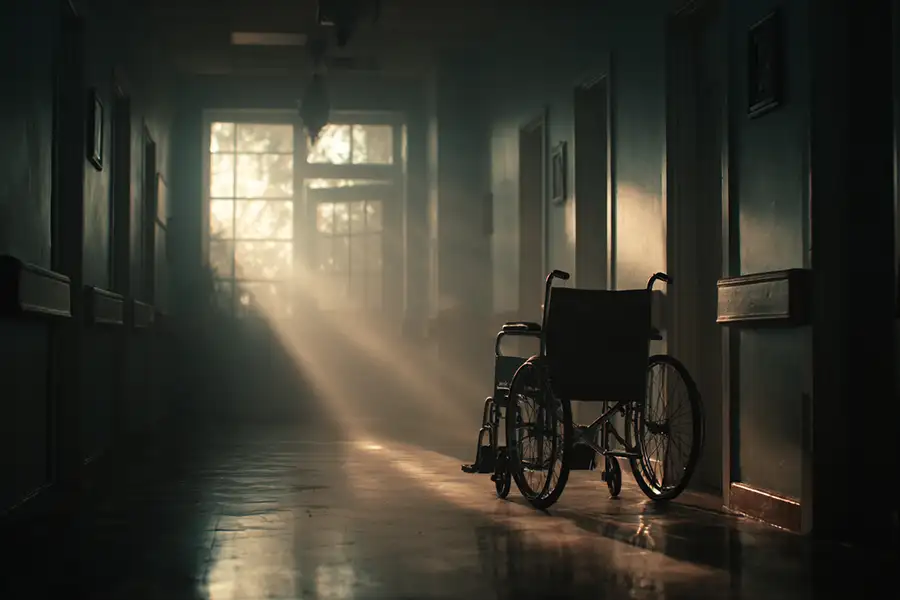
Recent investigations by the New York Attorney General show that systemic neglect is not isolated but widespread in certain facilities. These findings highlight how easily nursing homes can prioritize profits over lives.
Common Causes of Wrongful Death in Nursing Homes
Wrongful deaths in nursing homes often stem from conditions that were preventable. Families may not realize until it’s too late that inadequate staffing, poor medical care, or lack of supervision played a role. These dangers can be hidden until tragedy strikes.
On Long Island, wrongful death cases linked to physical abuse symptoms or neglect have revealed that many residents died from dehydration, untreated infections, and medication errors. In some cases, falls that should have been prevented resulted in fatal injuries.
Common contributing factors include:
- Severe infections like sepsis from untreated bedsores
- Respiratory failure from poor monitoring
- Falls caused by lack of supervision or broken safety equipment
- Overmedication or medication errors
- Malnutrition and dehydration due to neglect
Each of these factors represents a breach of the duty of care nursing homes owe their residents under New York law.
Legal Rights After a Nursing Home Wrongful Death
Families have specific legal rights under New York law when a wrongful death occurs in a nursing home. These rights allow them to seek compensation and hold the facility accountable for neglect or abuse that caused the death.
Under CPLR § 214, most personal injury claims in New York must be filed within three years, but wrongful death claims generally have a two-year deadline. If the case involves a county-run nursing home in Nassau or Suffolk, a General Municipal Law § 50-e Notice of Claim must be filed within 90 days, with lawsuits limited by General Municipal Law § 50-i.
Families may recover damages for funeral expenses, medical costs related to the death, and loss of financial support. These claims also serve as an essential deterrent, pushing facilities to improve care standards.
If you believe your loved one’s death was caused by nursing home neglect, Alonso Krangle LLP can review your case and explain your options. Call us today at 800-403-6191 for a free consultation.
Investigations and Oversight in Long Island Facilities
Wrongful deaths in Long Island nursing homes often expose deeper systemic problems. Oversight agencies, including the New York State Department of Health and the Centers for Medicare & Medicaid Services (CMS), are responsible for ensuring facilities meet safety and care standards.
The New York Attorney General has repeatedly filed lawsuits against nursing home operators, alleging that poor staffing and mismanagement led to preventable deaths. For example, recent cases revealed residents forced to sit in their own waste, missed meals, and untreated infections, resulting in fatalities.
In both Nassau County and Suffolk County, these investigations show a pattern of inadequate care linked to profit-driven decisions. Families can use findings from these agencies to support wrongful death claims.
By bringing public attention to these violations, families not only honor their loved ones but also help protect future residents.
Steps Families Should Take After a Wrongful Death
When a loved one dies in a nursing home under suspicious circumstances, immediate steps are necessary to preserve legal rights. These actions help ensure that critical evidence is not lost and that the facility is held accountable.
Families should begin by requesting medical records and autopsy reports, documenting any visible injuries, and keeping detailed notes about conversations with staff. Consulting with nursing home attorneys early is crucial.
Key steps include:
- Documenting visible injuries or neglect signs
- Requesting full medical and medication records
- Filing complaints with the Department of Health
- Preserving financial records if exploitation is suspected
- Speaking with other families who may have similar concerns
Taking swift action not only strengthens your claim but also prevents the facility from covering up wrongdoing.
Compensation Available in Wrongful Death Cases
Compensation in nursing home wrongful death cases goes beyond funeral costs. Families may recover damages for medical expenses before death, lost companionship, and the pain and suffering endured by their loved one.
Courts in New York also allow recovery for lost inheritance and financial contributions the deceased would have provided. These awards are not only about financial recovery but about recognizing the full scope of a family’s loss.
On Long Island, wrongful death claims often highlight how neglect caused avoidable suffering in the last days of a resident’s life. This suffering is taken into account when determining damages.
By pursuing full compensation, families send a message that neglect and abuse in nursing homes will not go unanswered.
Prevention: Protecting Loved Ones in Long Island Nursing Homes
Preventing wrongful death in nursing homes requires vigilance from families. Regular visits, monitoring medical care, and reviewing financial statements can help spot red flags before tragedy strikes.
Families should pay attention to signs of emotional abuse in nursing homes, sudden weight loss, or changes in medication without explanation. Reporting concerns early to oversight agencies can save lives.
Community advocacy is also key. By pushing for better staffing and accountability, families in Nassau and Suffolk counties can help prevent the next wrongful death case.
Ultimately, prevention is about ensuring that no family has to endure the pain of losing a loved one due to neglect or abuse.
Frequently Asked Questions About Wrongful Death in Nursing Homes
What is considered wrongful death in a nursing home?
Wrongful death in a nursing home occurs when neglect or abuse directly causes a resident’s death. This may involve medical errors, untreated conditions, or physical abuse.
How do I know if my loved one’s death was preventable?
A preventable death often involves missed care, lack of supervision, or untreated illnesses. Reviewing medical records and seeking independent evaluation can help confirm suspicions.
When must I file a wrongful death claim in New York?
Wrongful death claims must generally be filed within two years of death in New York. If a municipal facility is involved, families must also file a Notice of Claim within 90 days.
Who can be held responsible for wrongful death in a nursing home?
Liability may include the facility, staff, or corporate owners responsible for unsafe conditions. Oversight agencies’ reports often provide evidence of systemic neglect.
Can families recover compensation for emotional suffering?
Yes, damages may include compensation for emotional loss, lost companionship, and financial support. Courts also consider the suffering endured by the resident before death.
What role does financial exploitation play in wrongful death cases?
Financial exploitation can be linked to fatal neglect when care is withheld to save costs. Families should review records for theft, missing funds, or forced account changes.
How can families prevent wrongful death in Long Island nursing homes?
Families can help prevent wrongful death by visiting often, monitoring medical care, and reporting neglect quickly. Advocacy and oversight push facilities toward safer practices.
Take Action to Protect Your Family
If your family has lost a loved one due to wrongful death in a Long Island nursing home, immediate legal action is essential. Time limits under New York law are strict, and waiting could mean losing your rights. Families in Nassau County and Suffolk County should not face this battle alone.
Alonso Krangle LLP is here to fight for accountability and justice, ensuring that your loved one’s story brings change to protect others. Call us today at 800-403-6191 for a confidential consultation and begin the process of holding negligent nursing homes responsible.
Speak with An Attorney
Submit This Form or Call 800-403-6191