

The Importance of Transparency and Accountability in Nursing Homes
The Importance of Transparency and Accountability in Nursing Homes
For families placing a loved one in a nursing home, nothing is more important than peace of mind. Yet, across Long Island and New York, disturbing reports of nursing home transparency failures have left families shaken. From unchecked neglect to life-altering injuries, the consequences of secrecy in elder care can be devastating. When facilities hide behind paperwork and bureaucracy instead of putting patients first, lives are at stake.
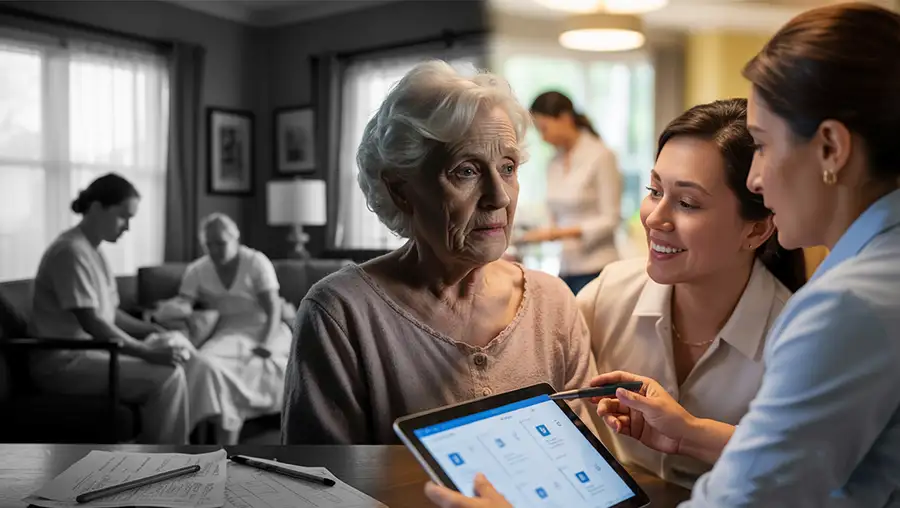
Transparency and accountability aren’t just buzzwords-they’re lifelines. Without open communication and regulatory checks, abuse and neglect often go unnoticed. Our lawyers have reviewed case after case where the warning signs were hidden or ignored. This post explores how transparency can serve as a shield against mistreatment, and why accountability is the driving force behind better care.
In Long Island, where the population of elderly residents continues to grow, families must know how to evaluate a facility’s performance. That starts with demanding public data, understanding the laws, and recognizing red flags that could indicate poor oversight. But it also means recognizing the power you have to advocate for better care-and knowing when to act if something goes wrong.
How Lack of Transparency Breeds Abuse and Neglect
When families and regulators can’t see what’s going on behind closed doors, vulnerable residents suffer. Hidden staff shortages, falsified records, and internal investigations that never see daylight-these are the quiet ingredients in many abuse cases. Without nursing home transparency, there’s no real way to catch patterns of mistreatment before they escalate.
Take for example the Centers Health Care facilities in New York, which were named in lawsuits for egregious neglect and financial fraud. Residents were found malnourished, sitting for hours in their own waste, or suffering untreated infections. These were not isolated incidents; they were part of a deeper system that prioritized profits over people. Families weren’t told the truth, and oversight agencies were often misled: >
When transparency is absent, even something as simple as reviewing medical records becomes a challenge. Staff may fail to record injuries properly-or worse, downplay their severity. And if a resident suffers from dementia or has limited communication abilities, their voice is effectively silenced unless someone is actively watching out for them.
That’s why public accountability is so essential. Whether it’s through mandated disclosure laws, regular audits, or facility report cards, shedding light on nursing home operations gives families tools to protect their loved ones. It also empowers regulators and attorneys to step in when things go wrong.
Why Accountability Is Essential for Quality Care
Accountability in nursing homes means more than just responding to complaints-it’s about proactive prevention and systemic oversight. Facilities should be held responsible for poor staffing decisions, lack of supervision, and harmful practices. When there’s no meaningful consequence for cutting corners, the most vulnerable residents pay the price.
Long Island families have seen firsthand how accountability can change the outcome for residents. In cases where our firm has become involved, conditions often begin to improve once the threat of litigation forces administrators to take notice. Facilities start hiring more staff, fixing safety hazards, and adhering to care plans-because now someone is watching.
Oversight also plays a critical role. New York requires nursing homes to maintain minimum staffing ratios, but those rules are often ignored until a lawsuit or investigation exposes the problem. Without someone checking compliance and following up with enforcement, these regulations are meaningless on paper. And when violations occur, the state’s own data systems-if transparent-can reveal repeated offenses that demand further scrutiny.
Real accountability means not just internal investigations, but external consequences. Civil lawsuits, state sanctions, and public reporting can all help shift nursing homes toward a resident-first model. It’s not just about punishing bad actors-it’s about protecting good care.
Public Reporting and Ratings: A Powerful Tool for Families
Families in Long Island searching for a safe place for their loved ones now have more tools than ever-if they know where to look. The Centers for Medicare & Medicaid Services (CMS) offers the Care Compare website, which allows users to look up nursing home performance ratings. Facilities are rated based on staffing levels, health inspections, and quality of resident care. While this data isn’t perfect, it’s a step toward meaningful transparency.
Public ratings pressure nursing homes to maintain higher standards. No facility wants to be labeled as “below average” in health inspections or staff responsiveness. In fact, multiple studies have shown that public reporting correlates with better care outcomes over time. It’s not just about image-it’s about incentives. When the public sees how a facility ranks, administrators are more likely to make needed changes.
But public databases must be used with caution. They rely on self-reported information and may not reflect the most recent developments, especially after changes in ownership or administration. That’s why families should use them in combination with personal observations, reviews from residents and their families, and any documented complaints filed with the New York State Department of Health.
Facilities that are truly committed to transparency don’t just meet the minimum reporting requirements-they go beyond them. They post inspection results in common areas, offer families regular updates on care plans, and make staff readily available to discuss concerns. These are signs that a nursing home is committed to doing things right-not just looking good on paper.
Examples of Facilities Leading with Transparency
While many headlines focus on failures, some facilities stand out for doing the right thing. In Long Island, certain nonprofit-run nursing homes have built a culture of openness and accountability from the ground up. These homes often publish quarterly care statistics, invite family councils to participate in decisions, and conduct internal audits shared with the public.
For example, one facility implemented real-time care dashboards accessible to family members. These allowed loved ones to monitor when residents received meals, medications, and physical therapy. Another Long Island nursing home conducted monthly family forums to discuss any ongoing concerns and posted summaries of the meetings online.
These practices aren’t just good PR-they create real safeguards. When administrators, nurses, and aides know that their work is being tracked and reviewed regularly, the standard of care naturally improves. Problems are caught earlier, and solutions are implemented faster. That level of visibility builds trust with families and empowers residents who might otherwise feel ignored.
Long Island has a wide range of nursing home options-from large private chains to smaller religiously affiliated homes. Facilities that embrace transparency make it known through their actions. They encourage unannounced visits, support community engagement, and see families not as adversaries but as partners in care.
How Families and Residents Can Promote Accountability
Accountability doesn’t happen in a vacuum. Families play a powerful role in ensuring their loved ones receive proper care. Visiting regularly, asking tough questions, and reporting concerns can all push a facility to improve. Residents too-when capable-can document changes in treatment or living conditions that may indicate a deeper problem.
If you’re a family member in Long Island, start by establishing a paper trail. Keep a log of visits, document injuries or changes in behavior, and ask to review care plans regularly. If you suspect a problem, raise it with the administrator-but also consider filing a complaint with the New York Department of Health or the Attorney General’s Medicaid Fraud Control Unit.
Signs to watch for include:
- Sudden weight loss or dehydration
- Bruises or injuries without explanation
- Unresponsiveness from staff
- Missing personal items or confusion over finances
- Frequent turnover of nurses and aides
Residents have the right to be involved in decisions about their care. That includes understanding their medications, meal plans, and daily routines. When those rights are violated or ignored, it may be a sign of broader issues with the facility’s practices. Empowering residents to speak up-through ombudsman programs, family councils, or legal support-can uncover dangerous conditions before they escalate.
Protecting Your Loved One Starts with the Right Legal Guidance
Even with transparency tools and family advocacy, some nursing homes continue to operate with a stunning lack of accountability. When your loved one is harmed by that kind of neglect, you may feel overwhelmed and unsure where to turn. That’s where our lawyers at Alonso Krangle, LLP can step in to help.
Our team investigates suspected cases of nursing home abuse and neglect across Long Island. We know how to obtain staffing records, call logs, and medical files-sometimes even those the facility wants to keep hidden. And we understand the legal requirements for claims against both private and government-run homes, including the strict 90-day Notice of Claim deadline when suing a municipal-owned facility in New York.
Examples of the cases we see include:
- Residents developing Stage 4 bedsores due to being left immobile for days
- Falls leading to broken hips or head trauma from inadequate supervision
- Severe malnutrition or dehydration despite regular meal service on paper
- Medication errors where residents were overmedicated or given the wrong drug entirely
- Instances of sexual abuse or psychological torment by staff or other residents
In one case, a resident fell repeatedly after being left alone, despite her daughter raising concerns. After suffering a traumatic brain injury from one fall, the family reached out to legal counsel and learned the home had violated multiple care plan requirements. Legal action brought accountability and improved oversight-not just for her, but for other residents at that facility.
If You Suspect Abuse or Neglect in a Long Island Nursing Home, Call Us
No family should have to wonder whether their loved one is safe. Yet too often, that’s the reality for those with relatives in nursing homes across Long Island. If you believe your parent, spouse, or sibling has suffered from neglect, abuse, or poor care, it’s critical to act quickly.
Our lawyers at Alonso Krangle, LLP can help you gather evidence, navigate New York’s complex nursing home laws, and fight for the justice your loved one deserves. Don’t let facilities hide behind red tape or bury your complaints in bureaucracy. Nursing home transparency is not optional-it’s a legal and moral necessity.
Call 800-403-6191 or complete our contact form today. Whether you’re ready to pursue legal action or just need help understanding your rights, our team is here for you. The sooner you reach out, the sooner we can begin working to protect your loved one and hold negligent facilities accountable.
Frequently Asked Questions About Transparency and Accountability in Nursing Homes
How can I tell if a nursing home in Long Island is transparent about its care practices?
Look for nursing homes that post inspection reports publicly, offer open communication with staff, and allow regular family involvement. Facilities should be willing to discuss care plans, respond to complaints promptly, and provide documentation without delay. You can also check CMS’s Care Compare website for public performance ratings.
What legal rights do nursing home residents in New York have when it comes to transparency and care?
Residents have the right to participate in their care plans, receive proper nutrition and medical attention, and live in a clean, safe environment. Under New York law, facilities must maintain minimum staffing levels and meet reporting requirements. If a facility is city- or county-run, a Notice of Claim must be filed within 90 days before suing.
What should I do if I suspect my loved one is being neglected in a Long Island nursing home?
Start by documenting your concerns-take photos, write down what you observe, and request medical records or care plans. Then report the issue to the facility administrator and contact the New York State Department of Health or the Attorney General’s office. If needed, consult with our lawyers to protect your loved one and consider legal action.
What role do public ratings and reports play in holding nursing homes accountable?
Public reporting helps identify patterns of poor care, staffing issues, or repeated violations. It puts pressure on facilities to correct problems and gives families essential information when choosing a nursing home. Although ratings systems aren’t perfect, they provide a starting point for asking deeper questions and demanding transparency.
Can I sue a nursing home for neglect or abuse if it’s owned by a government entity?
Yes, but you must follow specific procedures. In New York, you’re required to file a Notice of Claim within 90 days of the incident if the facility is owned by a city, county, or other public entity. After that, you can pursue legal action. Our firm can help ensure these deadlines are met and guide you through the process.
What are some red flags that a nursing home lacks transparency?
Red flags include staff who avoid questions, missing or inconsistent records, frequent turnover, unexplained injuries, and resistance to unannounced visits. If the administration seems evasive or dismissive of concerns, it’s a warning sign that the facility may be hiding problems rather than addressing them.
How does transparency actually improve care in nursing homes?
Transparency creates accountability. When staff know their actions are being documented and reviewed, they’re more likely to follow protocols and provide consistent care. Families who are kept in the loop can spot and report problems early. Public oversight, meanwhile, helps prevent systemic neglect by encouraging facilities to stay in compliance with regulations.
What kind of compensation can victims of nursing home abuse or neglect receive?
Compensation may include medical costs, pain and suffering, emotional distress, loss of dignity, and in some cases, punitive damages. If a loved one has died due to neglect, surviving family members may pursue a wrongful death claim. Our lawyers can help determine what damages may apply based on the circumstances of the case.
Speak with An Attorney
Submit This Form or Call 800-403-6191