

Nursing Home Abuse on Long Island
Nursing Home Abuse on Long Island
Nursing home abuse and neglect is a distressing reality that affects vulnerable elders across the nation, including on Long Island. Families trust these facilities to provide safe, dignified care, but systemic issues such as understaffing and lack of oversight can lead to tragic outcomes. Residents may endure physical harm, emotional trauma, or financial exploitation, often without the immediate awareness of loved ones.
The issue is more prevalent than many realize. Data from New York state reveals alarming trends in underreported abuse cases. Raising awareness about the signs of mistreatment is critical to protect the elderly and ensure justice for those harmed.
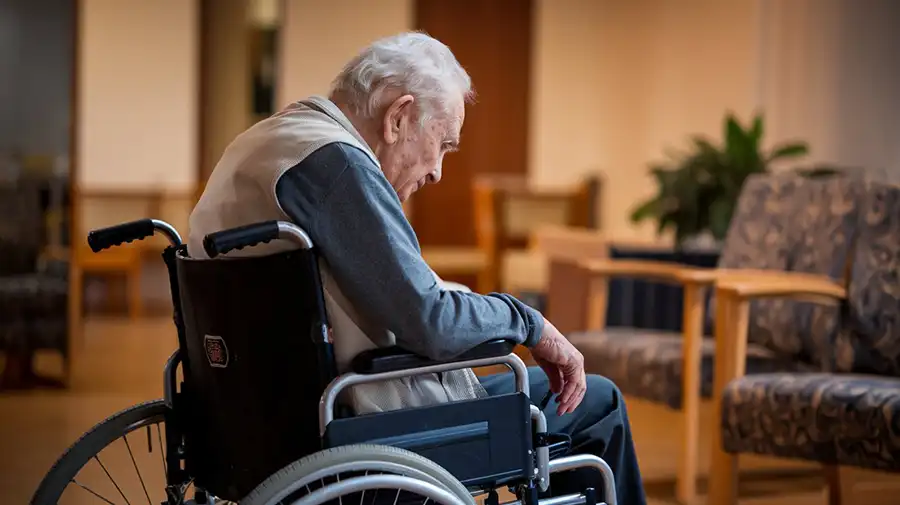
If you suspect that a loved one in a Long Island nursing home is suffering from abuse or neglect, understanding your legal options is vital. At Alonso Krangle, LLP, we are committed to helping families hold negligent facilities accountable.
What Constitutes Nursing Home Abuse and Neglect?
Nursing home abuse encompasses a range of harmful actions or neglectful behaviors toward residents. Physical abuse , emotional mistreatment , sexual exploitation , and financial fraud are just a few examples. Neglect, while often less visible, can result in severe injuries or even wrongful death.
Neglect, such as failing to provide proper hydration, nutrition, or negligence with medical care , can escalate into dire health consequences. For instance, untreated infections may lead to sepsis, a life-threatening condition common in understaffed facilities. Families should remain vigilant for warning signs, including unexplained injuries or sudden behavioral changes in loved ones.
Abuse within nursing homes often manifests in deliberate acts of harm. Physical abuse may include hitting, restraining residents inappropriately , or denying them necessary medical care. Emotional abuse, such as humiliation or verbal threats, can cause profound psychological damage. These forms of mistreatment violate basic human rights and can leave lasting scars on residents’ physical and mental well-being.
Facilities that fail to meet the legal duty of care violate New York state laws designed to protect nursing home residents. Legal actions against negligent facilities not only seek compensation but also promote accountability and reform.
Signs of Nursing Home Mistreatment
Recognizing abuse or neglect in nursing homes is often challenging, as victims may be unable or afraid to communicate their experiences. However, specific warning signs can alert families to potential problems:
- Physical indicators: Bruises, bedsores , malnutrition, or dehydration.
- Behavioral changes: Sudden withdrawal, fear of staff, or signs of anxiety.
- Unexplained financial transactions: Missing valuables or sudden bank activity may indicate financial exploitation .
- Facility conditions: Unsanitary environments or overwhelmed staff.
If these signs are present, act quickly by documenting the evidence and contacting appropriate authorities. New York law offers avenues to report abuse and seek legal recourse.
Types of Nursing Home Abuse on Long Island
Each type of nursing home abuse has distinct signs and consequences, which require prompt action to protect victims and hold perpetrators accountable.
Physical Abuse: This includes hitting, slapping, or using excessive restraints. Warning signs might be unexplained bruises, broken bones, or residents expressing fear of specific staff members.
Emotional Abuse: Insults, threats, or isolating residents from social activities can cause severe psychological harm. Victims may become withdrawn or show signs of depression.
Sexual Abuse: Vulnerable populations, especially those with cognitive impairments, are at risk of sexual abuse in nursing homes . Indicators may include bruising in sensitive areas, torn clothing, or sudden emotional distress.
Financial Exploitation: Staff or other individuals may misuse a resident’s financial resources. Look for unusual bank transactions or sudden changes to financial documents.
Neglect: Failure to meet basic needs, such as food, water, or hygiene, constitutes neglect. Residents might display signs of malnutrition, dehydration, or poor hygiene as a result.
Whether your family is facing nursing home abuse in Nassau County , nursing home abuse in Suffolk County , or elsewhere in New York or New Jersey, we can help.
Common Injuries from Nursing Home Abuse
Nursing home abuse and neglect often lead to severe physical and emotional injuries. These injuries not only affect the victim but also place an emotional burden on their families. Understanding the common injuries can help families identify when intervention is necessary.
Falls and Fractures: Inadequate supervision and improperly maintained facilities contribute to fall-related injuries, such as broken bones. Elderly residents are particularly vulnerable due to brittle bones and slower recovery rates.
Bedsores: Also known as pressure ulcers, bedsores are preventable injuries caused by prolonged immobility. Advanced cases can lead to severe infections and even sepsis.
Malnutrition and Dehydration: These conditions occur when staff fail to monitor or assist residents during meals. Long-term effects include weakened immune systems and other health complications.
Medication Errors: Incorrect dosages or failure to administer necessary medication can exacerbate existing conditions or create new health risks.
Such injuries not only diminish the quality of life but may also serve as evidence of systemic neglect or abuse within the facility.
Steps to Take if You Suspect Nursing Home Abuse
If you believe a loved one is experiencing abuse or neglect in a Long Island nursing home, taking swift action is essential. Every moment matters in protecting the victim and gathering evidence for a legal case.
1. Document the Evidence: Take photographs of injuries, unsanitary conditions, or other signs of neglect. Keep a detailed log of any incidents or observations.
2. Report the Abuse: File a complaint with New York’s Adult Protective Services or the Long Island office of the New York State Attorney General. Reporting ensures that investigations can begin promptly.
3. Seek Medical Attention: Ensure the victim receives immediate medical care for physical abuse , physical injuriesand emotional injuries. This step also creates official records that can be used as evidence.
4. Contact Our Lawyers: At Alonso Krangle, LLP, our team can guide you through the legal process of holding negligent facilities accountable. We offer support in building a strong case and recovering compensation for damages.
Causes and Risk Factors of Nursing Home Abuse
Nursing home abuse often stems from systemic issues within facilities. Identifying these underlying causes can help families choose safer environments for their loved ones and advocate for improved care on Long Island.
Understaffing: Many facilities operate with inadequate staff-to-resident ratios. Overworked employees may struggle to meet the needs of residents, increasing the likelihood of neglect.
Poor Training: Staff lacking proper training in elder care, especially for residents with conditions like dementia, may resort to neglect or inappropriate handling.
Management Failures: Weak oversight and failure to address resident complaints contribute significantly to abuse. Effective leadership is critical for maintaining a safe and caring environment.
Stress and Burnout: Caregivers under financial or emotional strain are more prone to mistakes or harmful behavior. This underscores the importance of adequate compensation and support for nursing home staff.
These factors emphasize the need for vigilance when choosing a facility and highlight why reporting abuse is essential to initiating reform.
Pursuing Compensation for Nursing Home Abuse Victims
Victims of nursing home abuse on Long Island and their families may be entitled to compensation for damages caused by negligent or abusive care. Seeking justice not only provides financial relief but also holds facilities accountable for their actions.
Types of Damages:
- Economic Damages: Covering medical bills, relocation costs, and other tangible expenses incurred as a result of the abuse.
- Non-Economic Damages: Compensation for pain and suffering, emotional trauma, and loss of dignity.
- Punitive Damages: In cases of gross negligence, these damages aim to punish the facility and deter future misconduct.
Wrongful Death Claims: If abuse results in the death of a loved one, families may pursue a wrongful death claim. These cases seek compensation for funeral expenses, loss of companionship, and other related damages.
At Alonso Krangle, LLP, our attorneys are experienced in navigating the complexities of these claims to ensure victims and their families receive the justice they deserve.
Preventing Nursing Home Abuse
Preventing abuse in nursing homes requires a collaborative effort between families, regulatory agencies, and advocacy groups. Families with loved ones on Long Island can take proactive steps to ensure their relatives are in safe and supportive environments.
Research Facilities: Use state databases and reviews to assess nursing homes. Unannounced visits can provide a more accurate picture of day-to-day operations.
Maintain Regular Visits: Frequent visits help build relationships with staff and allow families to monitor the resident’s well-being. Engaged families can often detect early warning signs of abuse.
Advocate for Reforms: Support policies that strengthen oversight and training in nursing homes. Push for mandatory background checks and regular audits to ensure compliance with care standards.
Creating a safer environment for seniors begins with awareness and action. By staying informed and vigilant, families can play a vital role in protecting their loved ones from harm.
Contact Us for Help with Nursing Home Abuse Cases
If you suspect that a loved one has been a victim of nursing home abuse on Long Island, Alonso Krangle, LLP is here to help. Our lawyers are dedicated to holding negligent facilities accountable and securing justice for victims and their families.
We offer free consultations to discuss your case and explore legal options. Contact us today to take the first step toward protecting your loved one and preventing further harm. Together, we can ensure that no family endures this tragedy alone.
Call us at 800-403-6191 or fill out the contact form on our website to speak with our team.
Speak with An Attorney
Submit This Form or Call 800-403-6191