

Wrongful Death in Nursing Homes: Protect Families on Long Island
Wrongful Death in Long Island Nursing Homes
When families place a loved one in a nursing home, they trust that the facility will provide safety and care. Sadly, cases of wrongful death caused by neglect or abuse are far too common across Long Island. These tragedies not only shatter families but also raise serious legal and ethical questions about accountability.
New York law allows surviving family members to pursue claims when death results from negligence or abuse in a nursing home. These lawsuits aim to secure compensation and, equally important, to force facilities to change dangerous practices. Understanding the warning signs and legal steps can help families protect their rights.
Families in Nassau County and Suffolk County face similar struggles when navigating these claims. While the grief is personal, the legal pathways exist to ensure that justice is served for all residents harmed by neglectful nursing homes.
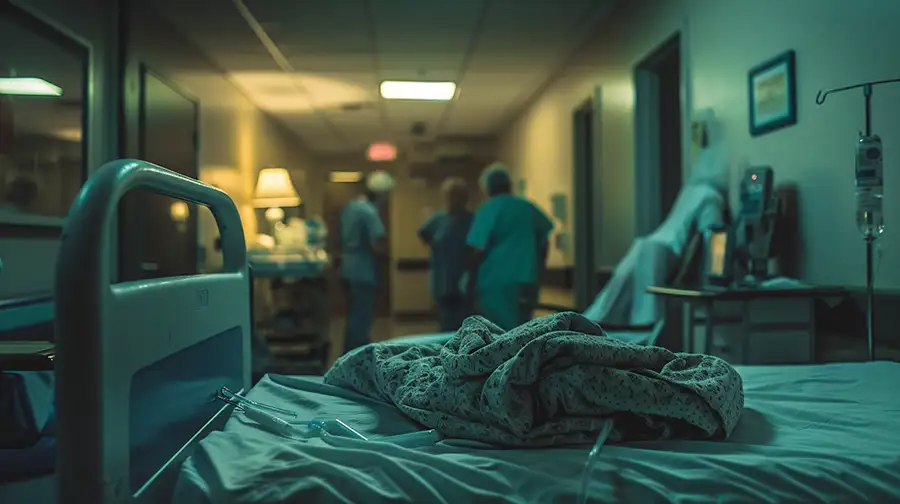
In the sections that follow, we’ll examine the common causes of nursing home wrongful death, how the law applies in New York, and the steps families can take to seek justice.
Common Causes of Wrongful Death in Nursing Homes
Wrongful death in elder care facilities often stems from preventable neglect and abuse. These deaths rarely happen suddenly; instead, they usually follow repeated failures in care. Recognizing these causes can highlight patterns of misconduct that put all residents at risk.
Some of the most frequent causes include:
- Untreated infections, including sepsis
- Severe dehydration or malnutrition
- Falls due to poor supervision
- Medication errors or overdoses
- Complications from untreated bedsores
- Physical or sexual abuse leading to fatal injuries
Each of these factors reflects a breakdown in basic duties owed to residents. Facilities that fail to provide proper staffing, supervision, or medical care may be liable under New York law.
By holding negligent facilities accountable, families can not only pursue justice for their loved one but also prevent similar tragedies from occurring in the future.
Neglect and Poor Conditions in Long Island Facilities
Neglect remains one of the most significant contributors to wrongful death cases. It includes failures in hygiene, nutrition, and medical attention. In some Long Island facilities, residents have suffered prolonged neglect that resulted in fatal outcomes.
Attorney General reports have documented widespread issues such as ignored call bells, residents left in soiled conditions, and chronic understaffing. These conditions not only strip residents of dignity but also directly endanger their health and survival.
When these failures rise to the level of negligence, facilities may be held legally responsible. Families can bring claims to recover damages and to expose unsafe practices in nursing homes.
To learn more about common neglect issues, visit our page on nursing home neglect in Melville.
Physical Abuse and Fatal Injuries
While neglect often contributes to wrongful death, physical abuse can be just as deadly. Cases include fatal falls after improper restraint, blows from staff members, or unchecked violence between residents.
Warning signs such as unexplained bruises, fractures, or sudden changes in condition should never be ignored. Families in Nassau County and Suffolk County must remain vigilant and demand answers when injuries appear suspicious.
Under New York’s Public Health Law § 2801-d, nursing homes can be held liable when residents suffer injuries or death due to inadequate care or abuse. This statute empowers families to pursue justice directly against negligent facilities.
For additional details, see our resource on physical abuse in Long Island nursing homes.
Emotional and Psychological Abuse with Deadly Consequences
Not all abuse leaves visible marks. Emotional and psychological mistreatment can lead to fatal outcomes, particularly when residents lose the will to live or suffer severe stress-related health decline. Isolation, verbal humiliation, and threats are all forms of abuse.
Long Island families must be aware that emotional abuse can be just as dangerous as physical harm. Depression, withdrawal, or refusal to eat are often linked to psychological mistreatment within nursing homes.
These cases are challenging to prove, but medical records, staff testimony, and family observations play a key role. Facilities that tolerate such mistreatment risk wrongful death claims when emotional abuse leads to preventable loss of life.
To understand more, review our guide on emotional abuse in nursing homes.
Financial Exploitation and Its Hidden Dangers
Although financial abuse may not appear directly connected to wrongful death, it can contribute to unsafe conditions. Theft, coercion, or misuse of resident funds often coincide with understaffing and neglect, leaving residents vulnerable.
Financial exploitation can lead to deprivation of necessary care, as stolen funds may prevent residents from accessing medical treatment or safe housing. Families must carefully review bank statements, wills, or unexplained financial transactions.
New York law provides avenues for families to recover stolen assets and hold abusers accountable. In cases where financial abuse intersects with neglect leading to death, both civil and criminal remedies may apply.
Learn more in our article on financial exploitation in Long Island nursing homes.
Medication Errors and Wrongful Death
Medication mistakes are alarmingly common in nursing homes, and some prove fatal. Errors include overdosing, failing to administer critical medication, or mixing incompatible drugs. In wrongful death cases, medication records often provide vital evidence of negligence.
Families may request medical charts, pharmacy records, and staff schedules to uncover systemic problems. In many instances, understaffing contributes to rushed medication administration, increasing the likelihood of error.
Facilities that do not maintain safe medication practices may be liable under both state and federal regulations. In Suffolk County and Nassau County, families have pursued claims to uncover medication-related deaths.
Additional information is available in our post on medical negligence in Long Island nursing homes.
Legal Deadlines for Wrongful Death Claims in New York
Families pursuing wrongful death claims must act quickly to preserve their rights. In New York, wrongful death lawsuits generally must be filed within two years of the date of death, as set out in CPLR § 214.
When a municipality or public facility is involved, a Notice of Claim must be filed within 90 days under General Municipal Law § 50-e, and the lawsuit must begin within one year and 90 days under General Municipal Law § 50-i.
Missing these deadlines can result in losing the right to seek compensation entirely. That is why families should consult an attorney as soon as they suspect wrongful death in a nursing home.
These strict deadlines highlight the importance of acting quickly to secure justice for your loved one.
Family Action Steps After a Suspected Wrongful Death
After a tragic loss, families often feel overwhelmed and unsure where to begin. Taking the right steps early can strengthen any future legal claim. The following actions are critical:
- Request complete medical and care records from the facility
- Document all signs of neglect or abuse
- File a formal complaint with the New York State Department of Health
- Speak to witnesses, including staff and other residents
- Consult with a Long Island nursing home attorney
These steps not only preserve evidence but also protect other residents from facing similar harm. Families should not hesitate to demand accountability when neglect leads to loss of life.
For details about reporting, see our article on the legal process for reporting nursing home abuse.
Prevention Strategies for Long Island Families
While legal remedies are important, prevention remains the best defense. Families can reduce risks by staying involved in their loved one’s care and monitoring for warning signs.
Effective prevention strategies include:
- Making frequent, unannounced visits
- Maintaining open communication with staff
- Watching for sudden changes in mood or health
- Reviewing financial records regularly
- Reporting concerns promptly to oversight agencies
Families in Nassau and Suffolk Counties must remain proactive, as understaffed facilities may not provide adequate care without outside pressure. By staying engaged, loved ones can help prevent wrongful death before it occurs.
For additional strategies, read our guide on family visits in preventing nursing home abuse.
Compensation Available in Wrongful Death Claims
Compensation in wrongful death cases seeks to ease the financial and emotional burden on surviving family members. Damages may include:
- Medical expenses before death
- Funeral and burial costs
- Loss of income and support
- Pain and suffering of the deceased
- Loss of companionship and guidance
While no amount of money can replace a loved one, financial recovery can help families rebuild their lives and hold negligent facilities accountable.
To learn more about damages, visit our resource on compensation in nursing home abuse cases.
FAQs About Wrongful Death in Nursing Homes
What are signs that neglect caused a wrongful death?
Signs include untreated infections, sudden weight loss, and unexplained injuries. Families should request full medical records and speak with outside doctors.
How long do I have to file a wrongful death claim in New York?
You typically have two years from the date of death. Municipal facilities require a Notice of Claim within 90 days.
Who can file a wrongful death lawsuit in New York?
The personal representative of the deceased’s estate may file. Family members are the ultimate beneficiaries of any award.
Can financial exploitation contribute to wrongful death?
Yes, financial exploitation can deprive residents of needed care. It often appears alongside neglect or poor conditions.
What compensation is available for nursing home wrongful death?
Damages may include funeral expenses, lost support, and pain and suffering. These claims aim to support families while seeking accountability.
Who oversees nursing homes in New York?
The New York State Department of Health regulates facilities. The Attorney General also investigates cases of fraud and neglect.
How can families prevent wrongful death in nursing homes?
Frequent visits, careful monitoring, and quick reporting help protect residents. Oversight and family involvement remain critical.
Seeking Justice for Your Loved One
Wrongful death in nursing homes is a devastating betrayal of trust. Families on Long Island, in both Nassau County and Suffolk County, deserve answers and accountability when neglect or abuse leads to tragedy. By acting quickly, they can pursue justice under New York law and help prevent others from facing similar pain.
If you believe your loved one’s death was caused by nursing home neglect or abuse, contact our firm to discuss your legal options. Call Alonso Krangle, LLP today at 800-403-6191 or submit an inquiry on this web page. We are here to listen, guide, and fight for the justice your family deserves.
Speak with An Attorney
Submit This Form or Call 800-403-6191