

The Role of Insurance in Nursing Home Abuse Cases
The Role of Insurance in Nursing Home Abuse Cases
When families discover signs of nursing home abuse, one of the first questions that often arises is: “Will insurance cover this?” Insurance plays a complicated and often frustrating role in elder abuse cases, especially in Long Island. Whether you’re a family member trying to protect a loved one or you’re dealing with an injury or wrongful death caused by nursing home negligence, insurance companies are almost always involved-and rarely in a helpful way.
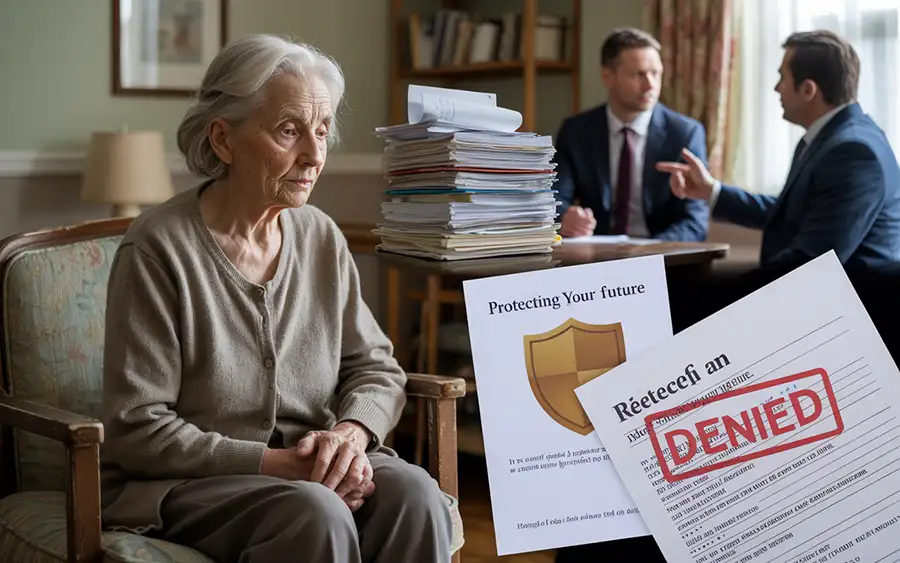
While nursing homes are legally required to carry certain insurance policies, including general liability and sometimes professional malpractice coverage, those policies are often structured in ways that benefit the facility-not the resident. If your loved one suffered physical injuries, financial exploitation, or neglect in a Long Island nursing home, the process of navigating the insurance system can feel like battling a second injustice.
This article explores the kinds of insurance involved in nursing home abuse cases, the hidden barriers families face when pursuing compensation, and what steps our lawyers can take to hold facilities and insurers accountable.
What Kind of Insurance Do Nursing Homes Carry?
Most nursing homes in Long Island are required to maintain insurance, but the specific policies and levels of coverage vary widely. Some have strong commercial general liability plans that cover bodily injury or property damage. Others rely on complex layered policies that make it harder for families to access compensation. Some even use shell companies to shield assets, making litigation and insurance claims even more challenging.
The typical forms of insurance coverage in nursing homes include:
- General Liability Insurance – Covers accidents and injuries caused by the facility or its employees.
- Professional Liability (Malpractice) Insurance – Covers harm from negligent medical or nursing care.
- Directors and Officers Insurance – Protects the personal assets of the facility’s executives, often used when mismanagement contributes to abuse or neglect.
- Resident Personal Property Coverage – Some facilities offer or require residents to maintain personal coverage for valuables, though it rarely applies to abuse claims.
Unfortunately, even when these policies exist, they often include exclusions that shield the facility from responsibility in abuse situations. Insurance carriers may argue that the incident was intentional (and therefore not covered), or that it was the result of employee misconduct not attributable to the facility itself.
How Insurance Can Complicate Abuse Claims in Long Island
Even in clear cases of abuse, insurance companies don’t simply write a check. Families trying to file abuse claims in Long Island face an uphill battle against insurers skilled at denying or delaying claims. In some cases, the facility may even shift blame onto the resident, alleging preexisting conditions or claiming the harm resulted from the resident’s own behavior.
Here’s where complications usually arise:
- Insurer Denial of Nursing Home Abuse – Carriers argue the abuse wasn’t covered under the policy’s terms or pin liability on an unaffiliated party.
- Policy Layering and Shell Companies – Some homes operate under corporate structures designed to obscure which entity is responsible, making it harder to locate a viable insurance policy.
- Mandatory Arbitration Clauses – Many Long Island nursing homes include arbitration in their contracts, which may limit a resident’s right to sue and impact the ability to force insurance payouts.
In a recent Long Island case, a resident suffered severe pressure sores and sepsis after being left unattended for hours. The family tried to file an insurance claim but was told by the facility that it wasn’t covered due to a lapse in their policy. When our firm investigated, we discovered the home had layered corporate entities to avoid liability and had recently transferred operations to another management company-deliberately muddying the legal waters.
Does Insurance Ever Help Prevent Nursing Home Abuse?
It might seem counterintuitive, but nursing home liability insurance can sometimes play a preventative role. When a facility’s premiums rise due to multiple abuse claims, the financial pressure can lead to improved staffing levels, stricter training protocols, and stronger compliance with New York health regulations.
Some insurers even conduct their own internal audits to reduce risk and recommend preventative changes, especially in facilities with poor track records. However, this only happens when insurers stand to lose money. In many instances, profit motives still win out, and insurers work alongside facilities to suppress claims or quietly settle them without public disclosure.
In Long Island, where the demand for elder care is rising and scrutiny of nursing home conditions is increasing, some insurance companies have begun requiring better documentation and mandatory incident reporting. That said, families cannot rely on insurance providers alone to act as watchdogs. Their primary interest is protecting their own bottom line.
How to Navigate Insurance Claims After Nursing Home Abuse
If you believe your loved one has suffered abuse, you should act quickly. In New York, there’s a three-year statute of limitations for filing a personal injury claim, and only 90 days to file a Notice of Claim against any publicly operated facility. Insurance claims may also have internal deadlines, so timing is crucial.
When handling elder abuse insurance claims, families in Long Island should take the following steps:
- Request Copies of All Insurance Policies – Ask the facility for the declarations pages and any policy documents they hold. They’re required to disclose this upon request during a legal claim.
- Document the Harm Thoroughly – Take photos of injuries, gather medical records, and keep written notes of staff behavior and any conversations you have with administrators or insurers.
- Avoid Speaking to the Insurance Company Alone – Insurers are not on your side. Let our lawyers deal directly with them so nothing you say is used to deny your claim.
Our lawyers at Alonso Krangle, LLP understand how these insurance strategies work and how to pierce through the layers of protection nursing homes often hide behind. We’ve helped families uncover hidden policies and fight back against insurance tactics meant to minimize payouts.
Speak With Our Long Island Lawyers About Your Nursing Home Insurance Case
If your loved one has suffered abuse, neglect, or preventable injury in a Long Island nursing home, don’t let an insurance company stand in your way. These facilities are often backed by powerful insurers who know exactly how to make claims disappear. But you’re not alone-and you don’t have to take their word for what is or isn’t covered.
Our team at Alonso Krangle, LLP is ready to investigate what really happened, uncover all sources of liability, and fight for the justice your family deserves. Call 800-403-6191 or fill out the form on this page to schedule a free consultation. Let us help you hold negligent nursing homes and insurance companies accountable for what they’ve done.
How Insurance Denials Affect Families Seeking Justice
It’s not just about compensation-insurance denial of nursing home abuse impacts families emotionally and financially. Imagine watching your parent suffer from untreated bedsores, repeated falls, or dehydration, only to be told the harm isn’t covered. These denials often feel like a second betrayal, coming on the heels of physical or emotional abuse.
Many Long Island families don’t realize until too late that even valid claims may be met with silence, deflection, or aggressive tactics by insurance adjusters. They may stall until the statute of limitations expires, request unnecessary documentation, or try to settle for pennies on the dollar-all designed to protect the facility, not the resident.
One Long Island family tried to seek coverage after a resident fell down a staircase due to a broken handrail. Despite clear surveillance footage and staff witness statements, the insurer denied responsibility, blaming the resident’s “lack of balance.” Our lawyers got involved, pushed back on that reasoning, and ultimately forced a negotiated resolution that addressed both medical costs and emotional trauma.
What Families Need to Know About Nursing Home Policies
Understanding the fine print of insurance policies is critical-but nearly impossible without legal help. Most families never see the full policies until after litigation begins. Nursing home contracts rarely include policy limits, exclusions, or details about third-party coverage. This lack of transparency leaves residents vulnerable and uninformed about their rights.
Some nursing homes in Long Island also carry what’s known as “claims-made” policies, which only cover incidents reported during the policy term. If the abuse happened earlier and wasn’t reported quickly, coverage could be denied. Others have self-insured retention plans, meaning they don’t pay a dime until damages cross a certain high threshold. And in some tragic situations, the nursing home doesn’t carry sufficient coverage at all, especially when operated by smaller or independent facilities.
Here are key red flags to look for in a nursing home’s insurance arrangement:
- Frequent Management Changes – These can signal attempts to dodge liability or reset insurance obligations.
- Nonexistent or Minimal Policy Coverage – Especially common in facilities where abuse reports are already high.
- Facility Refusal to Share Insurance Info – This often indicates they know the coverage is limited or expired.
When we begin working with a family, one of our first steps is to demand the facility produce all applicable insurance documents. We also research ownership structures to find hidden assets or coverage tucked inside sister companies or holding firms.
Holding Insurance Companies Accountable in Abuse Cases
Insurance companies have a duty to act in good faith. But in nursing home abuse cases, that duty is often ignored. Bad faith insurance conduct-like unjustified claim denials, unreasonable delays, or lowball settlement offers-is not just unethical, it may be grounds for additional damages.
Our firm has seen insurers use nearly every tactic imaginable to avoid paying for the harm caused to vulnerable nursing home residents in Long Island. From stonewalling family members to claiming “accidental injury” policies don’t apply to intentional abuse, the goal is clear: limit liability and reduce payouts.
Fortunately, New York law provides families with legal tools to fight back. If we can prove an insurer handled your claim in bad faith, they may be forced to cover your legal fees or even pay punitive damages. In some cases, the insurer may be held accountable not just for the original harm, but for the additional suffering caused by their conduct.
Our attorneys work closely with medical experts, forensic accountants, and insurance specialists to analyze every angle of your case. Whether it’s wrongful death, financial exploitation, or neglect that led to catastrophic injuries, we build a strategy that holds all responsible parties accountable-including the insurance carriers that tried to look the other way.
Resources for Understanding Elder Abuse Insurance Coverage
If you’re trying to make sense of a confusing insurance denial or unclear nursing home contract, there are resources that can help. In addition to reaching out to our firm, here are other options for Long Island families:
- New York State Department of Financial Services – Offers guidance on insurance rights and how to file complaints against carriers: https://www.dfs.ny.gov
- New York State Office for the Aging – Helps families understand elder rights and support options: https://aging.ny.gov
- Medicare.gov Nursing Home Compare – Lets you review a facility’s record on staffing, complaints, and inspections: https://www.medicare.gov/care-compare
While these tools are helpful, they can’t replace the insight and protection an attorney can provide. Our lawyers not only understand the insurance industry’s tactics, but we also know how to use New York law to push back effectively.
Contact Our Long Island Lawyers for Help With Nursing Home Insurance Claims
Abuse and neglect should never happen to anyone, especially our elderly loved ones. When it does, the last thing families need is a complicated insurance maze that delays justice and adds to their pain. If you’re dealing with a nursing home insurance issue in Long Island-whether it’s a denied claim, unclear policy, or evasive facility-our attorneys are ready to help.
We take a thorough, aggressive approach to uncovering all avenues of liability, including those hiding behind insurance loopholes and corporate shields. Let us help you secure the financial recovery your family needs-and send a clear message that abuse and neglect won’t be tolerated.
Call 800-403-6191 today or fill out the form on this page to schedule your free consultation with our nursing home abuse lawyers at Alonso Krangle, LLP.
Frequently Asked Questions About the Role of Insurance in Nursing Home Abuse Cases
What types of insurance do nursing homes in Long Island typically carry?
Most nursing homes carry general liability insurance, professional liability (malpractice) coverage, and sometimes directors and officers (D&O) insurance. Some may also offer or require residents to carry limited personal property insurance. However, these policies vary widely in terms of coverage limits, exclusions, and accessibility for abuse-related claims.
Can I file an insurance claim directly if my loved one was abused in a nursing home?
Usually, you cannot file a direct claim against the nursing home’s insurance unless you’re pursuing a lawsuit or legal claim. Most policies only respond to legal liability, so you must typically prove the facility was negligent or abusive before their insurance company becomes involved. Our lawyers can handle this process for you and ensure the claim is positioned correctly.
What should I do if the insurance company denies my claim?
If your claim is denied, you should not give up. Insurers often deny valid claims hoping families will back down. Contact our firm immediately-we can review the denial, gather additional evidence, and escalate the matter legally. In some cases, we can pursue a bad faith claim against the insurer for acting unfairly or unreasonably.
Can a nursing home refuse to provide their insurance information?
While a facility may not voluntarily disclose this information, they are required to share it once legal action begins. Our attorneys know how to compel the disclosure of policy documents through legal tools like discovery requests and subpoenas.
How does insurance coverage affect the amount of compensation my family could receive?
The amount and type of insurance coverage can impact how much compensation is available. If the policy limits are low, or the insurer successfully limits its exposure, your recovery could be restricted. That’s why it’s critical to identify all potential policies and responsible parties, including any corporate parents or shell companies that may hold additional insurance assets.
What is the role of insurance in wrongful death cases involving nursing home abuse?
In wrongful death cases, the nursing home’s liability insurance typically comes into play, but insurers often try to avoid paying out by disputing causation or coverage. Our firm helps families build strong cases to hold both the facility and its insurer accountable for the loss of a loved one.
How long do I have to take action in a nursing home abuse case in New York?
New York law generally gives you three years to file a personal injury lawsuit and just 90 days to file a Notice of Claim if the facility is publicly operated. Insurance policies may also have internal deadlines, so it’s important to act quickly. Contacting our lawyers early ensures all timelines are met and your claim is protected.
Will the insurance company help improve conditions at the nursing home?
In some cases, yes. If a facility faces repeated claims, insurers may require operational changes, such as improved staffing or safety procedures. However, these reforms are typically driven by financial pressure-not concern for residents. Legal action is often the only way to force meaningful change and accountability.
Speak with An Attorney
Submit This Form or Call 800-403-6191