

Emotional Abuse in Nursing Homes: Protecting Long Island Seniors
Understanding Emotional Abuse in Long Island Nursing Homes
Emotional and psychological abuse in nursing homes is often harder to detect than physical mistreatment. Yet its impact on vulnerable seniors can be devastating and long-lasting.
This form of abuse includes verbal threats, intimidation, humiliation, and isolation that strip residents of dignity. Families in Nassau and Suffolk counties must remain alert, as emotional abuse leaves no bruises but inflicts deep harm.
When neglected, residents may develop depression, anxiety, or lose interest in life itself. These consequences make emotional and psychological abuse one of the most damaging forms of nursing home mistreatment.
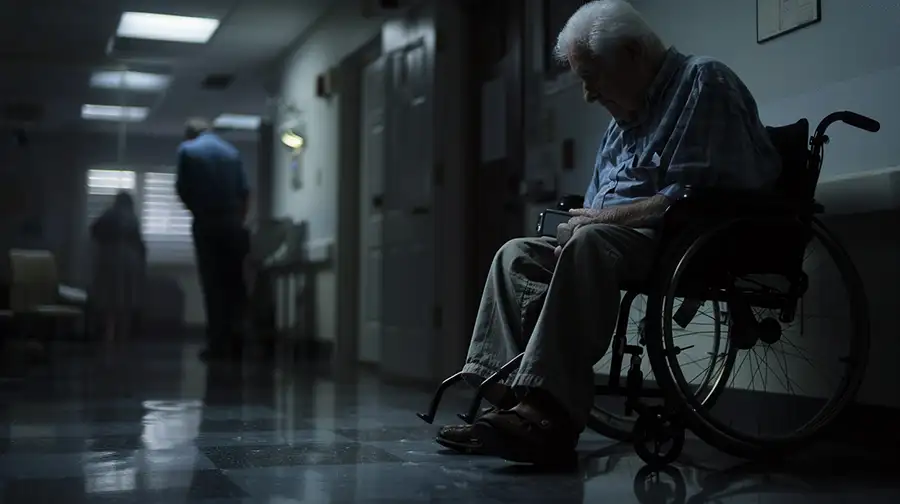
Recognizing these signs early allows families to step in before permanent damage occurs. The next section explores common indicators.
Signs of Psychological Abuse in Nursing Homes
Unlike broken bones or bedsores, psychological abuse signs may appear subtle. Families should pay attention to shifts in mood and behavior when visiting loved ones.
Common indicators include sudden withdrawal from social activities, unexplained fear around staff, or residents refusing to speak when caregivers are present. These patterns often signal emotional abuse in nursing homes.
Other signs can include disturbed sleep, excessive crying, or residents expressing hopelessness. Staff discouraging communication with family may also be a red flag.
Because abusers often manipulate victims into silence, family vigilance remains essential. Transitioning from signs, it’s important to consider how emotional harm affects long-term health.
Long-Term Effects of Psychological Harm on Seniors
The emotional scars left by psychological abuse can be as severe as physical injuries. Many residents suffer declining health, worsened dementia symptoms, or increased dependence on medication.
Research has linked psychological mistreatment to higher mortality rates. Residents subjected to repeated humiliation or threats often lose the will to eat, move, or engage in daily routines.
For Long Island families, recognizing these long-term risks reinforces the urgency of taking action. Delayed response can result in irreversible decline or premature death.
Beyond health deterioration, families must also prepare for the legal dimensions of abuse claims, which we cover next.
Legal Rights and Remedies Under New York Law
New York provides several avenues for families pursuing justice when emotional abuse occurs. Under Public Health Law § 2801-d, residents can sue nursing homes that deprive them of legally required care.
Families generally have three years to bring a lawsuit under CPLR § 214, though wrongful death claims carry a two-year limit. If a municipal nursing home is involved, a Notice of Claim must be filed within 90 days under General Municipal Law § 50-e.
Furthermore, General Municipal Law § 50-i sets strict one-year and 90-day deadlines to file suit against municipal entities. Missing these deadlines can bar recovery entirely.
The New York Attorney General and Department of Health actively investigate elder care facilities, underscoring the importance of pursuing claims both to compensate victims and to protect others from ongoing harm.
Financial Exploitation and Emotional Abuse Together
Emotional manipulation often goes hand-in-hand with financial exploitation in nursing homes. Residents may be pressured to sign documents, give away valuables, or allow staff access to bank accounts.
In Suffolk County and Nassau County, families have reported cases where psychological intimidation was used to silence victims of theft. This makes vigilance crucial when emotional and financial harm intersect.
Warning signs include sudden unexplained withdrawals, missing personal items, or changes in wills or financial accounts. Linking these with behavioral changes helps identify abuse early.
Families confronting such exploitation may benefit from consulting financial exploitation attorneys to recover stolen assets and hold facilities accountable.
Steps Families Can Take to Protect Loved Ones
Families play the most important role in uncovering emotional and psychological abuse. Frequent visits, direct communication, and independent observation can make a difference.
Practical steps include speaking privately with residents, monitoring staff interactions, and requesting detailed medical and incident reports. Families should also ask about staffing levels, as chronic understaffing often enables abuse.
It’s wise to document suspicious behavior and escalate concerns to facility administrators. If no corrective action is taken, filing a complaint with the New York State Department of Health is the next step.
From here, families may decide whether to pursue legal remedies, which also serve as a deterrent against future abuse.
Prevention Strategies for Long Island Families
Preventing emotional abuse requires vigilance before and after choosing a nursing home. Families should thoroughly research facilities, review state inspection reports, and ask about staff training in elder care.
Visiting facilities at unexpected times can reveal how residents are treated outside of scheduled tours. Families in Long Island should also connect with resident rights resources to learn what protections apply.
Community advocacy and family involvement remain vital. When families build relationships with staff, abuse is less likely to occur unnoticed.
By focusing on prevention, families can reduce the risk of their loved ones experiencing silent harm.
Taking Action: Consultation and Legal Support
When emotional abuse is suspected, families often face uncertainty about the next steps. Speaking with experienced nursing home attorneys can provide clarity.
Legal guidance ensures compliance with strict filing deadlines and maximizes the chance of recovering damages. Midway through an investigation, families may also receive assistance navigating state oversight agencies.
At any stage, professional advice helps transform suspicion into evidence and gives families confidence that their loved one’s rights will be defended.
Ultimately, pursuing justice not only helps victims but also strengthens accountability across Long Island facilities.
Frequently Asked Questions About Emotional Abuse in Nursing Homes
What is considered emotional abuse in nursing homes?
Emotional abuse includes verbal threats, humiliation, intimidation, and isolation. It harms residents’ mental health and strips away dignity.
How can families recognize signs of psychological abuse?
Common signs include fear around staff, withdrawal, or sudden mood changes. Families should monitor behavior during visits for unusual patterns.
When do families need to file a lawsuit for abuse in New York?
Families generally have three years under CPLR § 214. Wrongful death claims must be filed within two years.
Who investigates nursing home abuse reports in New York?
The New York State Department of Health and Attorney General oversee elder care complaints. Families may also contact local ombudsman programs for support.
What compensation is available for victims of emotional abuse?
Victims may recover damages for pain, suffering, medical costs, and financial exploitation. These claims can also deter future abuse in facilities.
Can emotional abuse lead to financial exploitation?
Yes, intimidation often facilitates theft of money or property. Families should monitor both emotional health and financial accounts of residents.
How can families prevent abuse before choosing a facility?
Review inspection reports, ask about staff training, and make surprise visits. Preventive steps reduce risks of mistreatment and neglect.
What should families do if administrators ignore complaints?
File a formal complaint with the Department of Health immediately. Consulting abuse reporting lawyers may also be necessary.
Take Action and Protect Your Loved Ones
Emotional and psychological abuse in nursing homes often goes unseen but causes lasting damage. Families in Nassau and Suffolk counties must remain vigilant.
By recognizing signs, understanding rights, and pursuing remedies, families can protect loved ones and hold facilities accountable. Preventing abuse requires both awareness and decisive action.
If you suspect emotional abuse in a Long Island nursing home, do not wait. Contact the experienced attorneys at Alonso Krangle, LLP to explore your legal options and safeguard your family’s future. Call 800-403-6191 or submit the form on this page to schedule a call.
Speak with An Attorney
Submit This Form or Call 800-403-6191