

Emotional Abuse in Nursing Homes: Urgent Warning for Long Island Families
Emotional Abuse in Long Island Nursing Homes
When families trust a facility to care for their loved one, emotional abuse is the last thing they expect. Yet across Long Island, cases of humiliation, threats, and isolation in nursing homes continue to surface.
Emotional abuse in nursing homes often goes undetected because it leaves no visible scars. Instead, residents suffer in silence, showing signs of depression, withdrawal, or fear around caregivers. These changes can devastate both the resident and their family.
Families in Nassau and Suffolk Counties face the same painful reality: vulnerable seniors can be targeted when staff are untrained, overworked, or simply cruel. Recognizing these red flags is the first step to protecting your loved one.
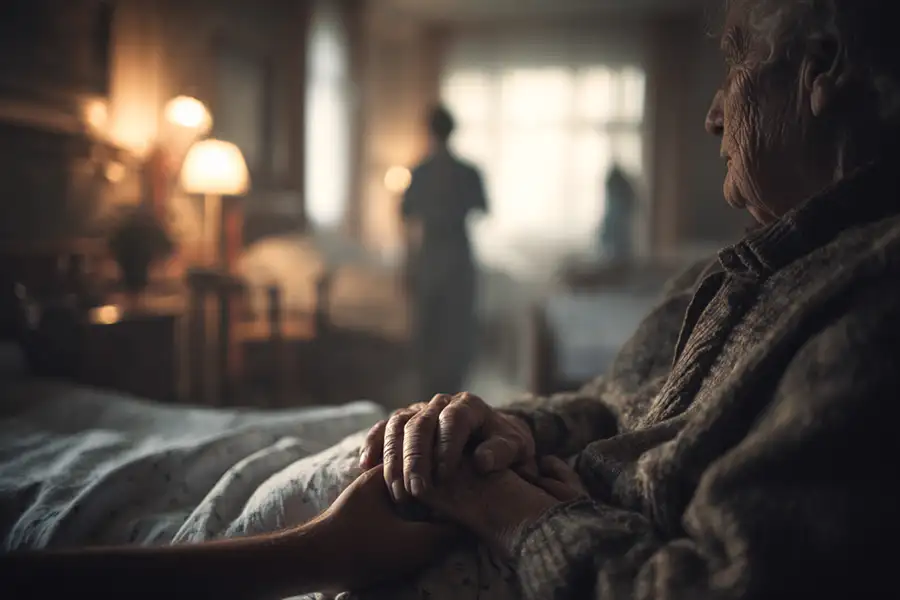
While physical injuries are obvious, the psychological wounds of emotional abuse can run deeper and last longer, making early detection critical.
Common Forms of Emotional Abuse in Nursing Homes
Emotional abuse takes many forms, from verbal attacks to calculated neglect. Understanding the methods abusers use helps families spot the danger.
Some of the most common examples include staff yelling at residents, mocking their disabilities, or ignoring their requests for help. Other times, residents may be deliberately isolated from activities or visits, leaving them anxious and alone.
Caregivers may also threaten residents with punishment or withhold food, medication, or basic comforts as a means of control. Such tactics create fear and dependency, stripping seniors of their dignity.
For more detail on specific abuse categories, see this guide on types of nursing home abuse.
Psychological Impact on Residents and Families
The damage caused by emotional abuse extends beyond the facility walls. Residents may develop severe anxiety, depression, or even post-traumatic stress from ongoing mistreatment.
The psychological impact also devastates families who feel powerless, guilty, and angry knowing their loved one suffers in silence. These effects can create long-lasting family trauma.
When seniors experience this type of abuse, they may refuse meals, lose interest in activities, or stop engaging with loved ones. These warning signs should never be ignored.
Families on Long Island must act quickly to stop abuse before the mental and emotional toll becomes permanent. At Alonso Krangle LLP, we help families take swift legal action-call us today at 800-403-6191 to discuss your options.
Warning Signs Families Should Not Overlook
Unlike bruises or broken bones, emotional abuse often leaves invisible scars. That’s why families must pay attention to subtle behavioral shifts.
Warning signs include sudden mood swings, withdrawal from family visits, unexplained fear of specific staff members, or frequent crying. Some residents may appear unusually passive or reluctant to speak when caregivers are present.
Changes in sleep patterns, loss of appetite, or expressions of hopelessness may also point to ongoing abuse. Families in Nassau County and Suffolk County should take these red flags seriously.
Learn more about identifying emotional abuse in nursing homes and how to respond.
Connection Between Emotional and Financial Exploitation
Emotional abuse often overlaps with other forms of mistreatment, including financial exploitation. Residents manipulated through threats or isolation are more vulnerable to theft and fraud.
Common schemes include coercing residents to sign checks, altering wills, or handing over personal belongings under duress. These tactics exploit both the resident’s emotional state and their trust in caregivers.
Families should carefully monitor bank accounts, missing possessions, or unexplained financial transactions. A sudden change in a resident’s financial habits can signal abuse.
For additional guidance, review this resource on financial exploitation in nursing homes.
Legal Protections for Emotional Abuse Victims in New York
New York law provides important protections for victims of emotional and psychological abuse in nursing homes. Families can pursue civil action to hold facilities accountable for this harm.
Under CPLR § 214, personal injury claims, including emotional abuse, must generally be filed within three years. Cases involving municipal-run facilities trigger the 90-day Notice of Claim requirement under GML § 50-e and the one-year-and-90-day deadline of GML § 50-i.
New York’s Public Health Law § 2801-d also allows residents and families to sue facilities that deprive them of legally required care and dignity. This statute is a powerful tool for emotional abuse claims.
The New York Attorney General has also filed lawsuits against facilities accused of neglect and fraud, underscoring the state’s commitment to protecting nursing home residents (NY Attorney General).
Steps Families in Long Island Should Take Immediately
When emotional abuse is suspected, immediate action is critical. Families cannot wait for abuse to escalate before stepping in.
Start by documenting everything: write down behavioral changes, save voicemails or notes, and record details of staff interactions. These records may be vital in any legal claim.
Report concerns to the New York State Department of Health, which oversees nursing home safety, and consider contacting local elder neglect lawyers. Families should also move their loved one to a safer environment if necessary.
See this practical guide on the legal process for reporting abuse to learn what comes next.
Preventing Emotional Abuse in Nursing Homes
Prevention requires vigilance, family involvement, and systemic change. Families play a critical role in protecting residents from ongoing harm.
Frequent visits and active engagement with staff reduce the likelihood of mistreatment. Residents with supportive, visible families are less likely to be targeted by abusers.
Nursing homes must also improve staff training, background checks, and monitoring systems to catch abuse early. Technologies such as elder safety devices can help track concerns and alert families.
Learn more about technology in elder care that helps prevent emotional abuse before it occurs.
FAQs About Emotional Abuse in Nursing Homes
What are the most common signs of emotional abuse in nursing homes?
The most common signs include withdrawal, depression, fear, and mood changes. Families should look for sudden silence around staff or refusal to participate in activities.
How can families in Nassau or Suffolk County confirm emotional abuse?
Families can confirm abuse by observing behavioral changes and documenting incidents. Reports to the Department of Health or legal consultation may also help verify claims.
When is the deadline to file an emotional abuse lawsuit in New York?
The deadline is generally three years under CPLR § 214. Cases involving municipal facilities require a Notice of Claim within 90 days under GML § 50-e.
Who can be held responsible for emotional abuse in a nursing home?
Liability may rest on individual staff, supervisors, or the nursing home itself. Families can pursue civil claims against facilities that fail to prevent abuse.
What compensation is available for emotional abuse claims?
Compensation may cover pain, suffering, therapy, and related losses. In some cases, punitive damages may apply if misconduct is extreme.
How can families prevent emotional abuse of their loved one?
Families can prevent abuse by visiting often, staying involved, and asking questions. Active family presence discourages abusers and protects residents.
What steps should be taken immediately after suspecting emotional abuse?
Document the abuse, report it to authorities, and seek legal help. Families can also find resources on resident rights.
Protect Your Loved One from Emotional Abuse Today
No family should face the trauma of emotional abuse in silence. Long Island families-whether in Nassau County or Suffolk County-must know they have legal options to fight back and protect their loved ones.
With strict deadlines and powerful laws on your side, taking action now can stop the abuse and hold negligent nursing homes accountable. Your family’s strength and quick response can make the difference.
If you believe your loved one has been emotionally abused in a Long Island nursing home, contact Alonso Krangle LLP today at 800-403-6191. Protecting them begins with your next step.
Speak with An Attorney
Submit This Form or Call 800-403-6191