

Common Causes of Boating Accidents in New York Waters
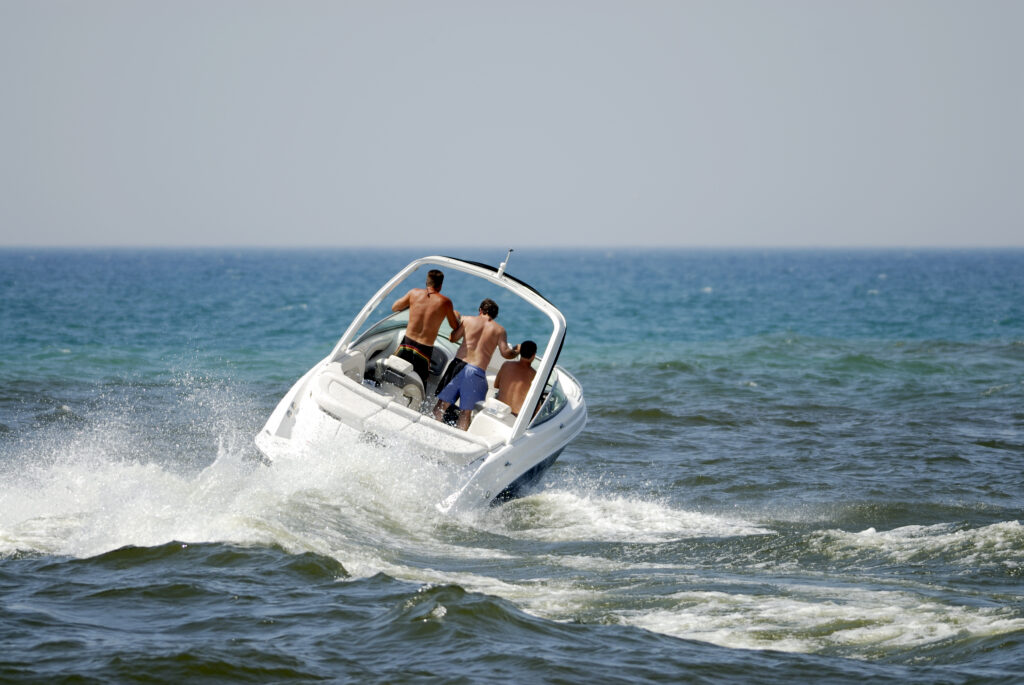
Boating is one of the most popular recreational activities in New York, especially throughout Long Island, Nassau County, Suffolk County, and the surrounding coastal communities. Whether spending the day on the Long Island Sound, cruising through the Great South Bay, or fishing along the Atlantic coast, thousands of residents and visitors take to the water each year to enjoy everything New York has to offer.
While boating can be both relaxing and enjoyable, it also comes with serious responsibilities. Just like operating a motor vehicle, safely operating a boat requires attention, sound judgment, and compliance with navigation rules. When those responsibilities are ignored, serious accidents can occur, leaving victims with significant injuries, expensive medical bills, and long recoveries. Understanding the most common causes of boating accidents can help boaters recognize potential risks and better understand when negligence may play a role in an injury claim.
Operator Inattention
One of the leading causes of boating accidents is operator inattention. Unlike driving on a roadway, boating often involves distractions that may seem harmless, such as talking with passengers, adjusting navigation equipment, fishing, or simply enjoying the scenery.
Even a brief lapse in attention can have serious consequences. Boats may approach one another quickly, swimmers may be difficult to see, and changing water conditions can create unexpected hazards. Remaining alert at all times is one of the most important responsibilities of every boat operator.
Excessive Speed
Operating a boat at an unsafe speed reduces the amount of time available to react to changing conditions. Waterways can become congested during weekends and summer holidays, increasing the likelihood of collisions.
Excessive speed can make it more difficult to:
- Avoid other boats
- Navigate around swimmers or floating debris
- Respond to changing weather conditions
- Maintain control in rough water
Even experienced boaters can lose control when traveling too fast for the surrounding conditions.
Alcohol and Drug Impairment
Operating a boat while impaired can be just as dangerous as driving a car under the influence. Alcohol and drugs affect judgment, reaction time, coordination, and decision-making—all of which are essential for safe boating. In addition to impairing the operator, fatigue, sun exposure, wind, and the constant motion of the water can amplify the effects of alcohol. These combined factors increase the likelihood of poor decisions and serious accidents.
Inexperienced or Improper Boat Operation
Boating requires knowledge of navigation rules, safe operating procedures, and how different watercraft respond in changing conditions. Operators with limited experience may struggle to react appropriately in emergencies or unfamiliar situations.
Examples of unsafe operation include:
- Making sharp or unpredictable turns
- Failing to maintain a proper lookout
- Ignoring navigation markers
- Following other vessels too closely
- Improperly docking or maneuvering in crowded marinas
Education and experience play an important role in reducing the risk of preventable boating accidents.
Hazardous Weather and Water Conditions
Weather on the water can change quickly. Calm conditions may give way to strong winds, heavy rain, or reduced visibility with little warning. Rough waves and changing tides can also make operating a boat more difficult. Responsible boaters should monitor weather forecasts before leaving shore and continue paying attention to changing conditions throughout their trip. Choosing to remain on the water despite dangerous weather may place passengers and others at unnecessary risk.
Equipment Failure and Poor Maintenance
Not every boating accident is caused by operator error. Mechanical problems or defective equipment can also contribute to serious incidents.
Examples include:
- Engine failure
- Steering malfunctions
- Electrical problems
- Faulty navigation lights
- Safety equipment that is missing or not functioning properly
Routine inspections and regular maintenance can help identify problems before they lead to an accident.
When Negligence Leads to a Boating Accident
Although some boating accidents are unavoidable, many occur because someone failed to operate or maintain a vessel responsibly. Depending on the circumstances, liability may extend beyond the boat operator to include the owner of the vessel, a rental company, a maintenance provider, or even the manufacturer of defective equipment.
Determining liability often requires a careful investigation that considers witness statements, accident reports, photographs, maintenance records, weather conditions, and other available evidence. Every accident is unique, and understanding what caused the collision is an important part of evaluating a potential personal injury claim.
Alonso Krangle Fight for Victims After a Boating Accident
A day on the water should not end with a preventable injury. When negligence contributes to a boating accident, victims may be left facing medical expenses, lost income, and a long road to recovery. Understanding your legal rights is an important first step toward moving forward. Alonso Krangle represents injured individuals throughout Long Island, Nassau County, Suffolk County, Queens, and New York in boating accident and other personal injury cases. The firm is committed to helping clients pursue accountability when careless or negligent conduct results in serious injuries. If you or a loved one has been injured in a boating accident, contact Alonso Krangle LLP for a free consultation and confidential case evaluation. Call us at 800-403-6191 or contact us online to learn more about your legal options.
Speak with An Attorney
Submit This Form or Call 800-403-6191