

Nitrous Oxide Abuse

Injured by Nitrous Oxide? You May Have Legal Options
Nitrous oxide is commonly known as "laughing gas," but products containing the gas are increasingly being used outside their intended purposes. Small nitrous oxide canisters, sometimes referred to as whippets, whip-its, or by various brand names, can be inhaled recreationally to produce a short-lived euphoric effect.
What may appear to be harmless or temporary can result in serious and potentially permanent injuries. Repeated or excessive exposure to nitrous oxide has been associated with neurological problems, nerve damage, oxygen deprivation, cardiovascular complications, addiction, and other serious health consequences.
If you or someone you love suffered an injury after using nitrous oxide products, Alonso Krangle LLP is investigating potential claims involving manufacturers, distributors, sellers, and other companies that may have contributed to the availability or misuse of these products.
Contact Alonso Krangle LLP today for a free, confidential case review.
What Is Nitrous Oxide?
Nitrous oxide, or N₂O, is a colorless gas with legitimate medical and commercial applications. It is commonly used by dentists as an anesthetic and is also used in the food industry, including in whipped cream dispensers.
Small pressurized cartridges containing nitrous oxide can be sold for legitimate purposes. However, some people inhale the gas recreationally for its brief intoxicating effects.
These products may be known by names including:
- Whippets or whip-its
- Nitrous oxide chargers
- Laughing gas
- Nitrous canisters
- Whipped cream chargers
- Galaxy Gas
- Other brand-specific names
The growing availability of these products has raised concerns about recreational misuse and the potential injuries that can result.
How Is Nitrous Oxide Inhaled?
Nitrous oxide can be packaged in small metal cartridges or larger canisters intended for legitimate commercial or culinary purposes. These products are sometimes referred to as nitrous oxide chargers, whipped cream chargers, whippets, or whip-its.
When misused recreationally, the gas may be transferred from a nitrous oxide cartridge or canister into a balloon. The individual then inhales the gas from the balloon. Nitrous oxide may also be inhaled directly from certain products or delivery devices.
Nitrous Oxide Canisters and Chargers
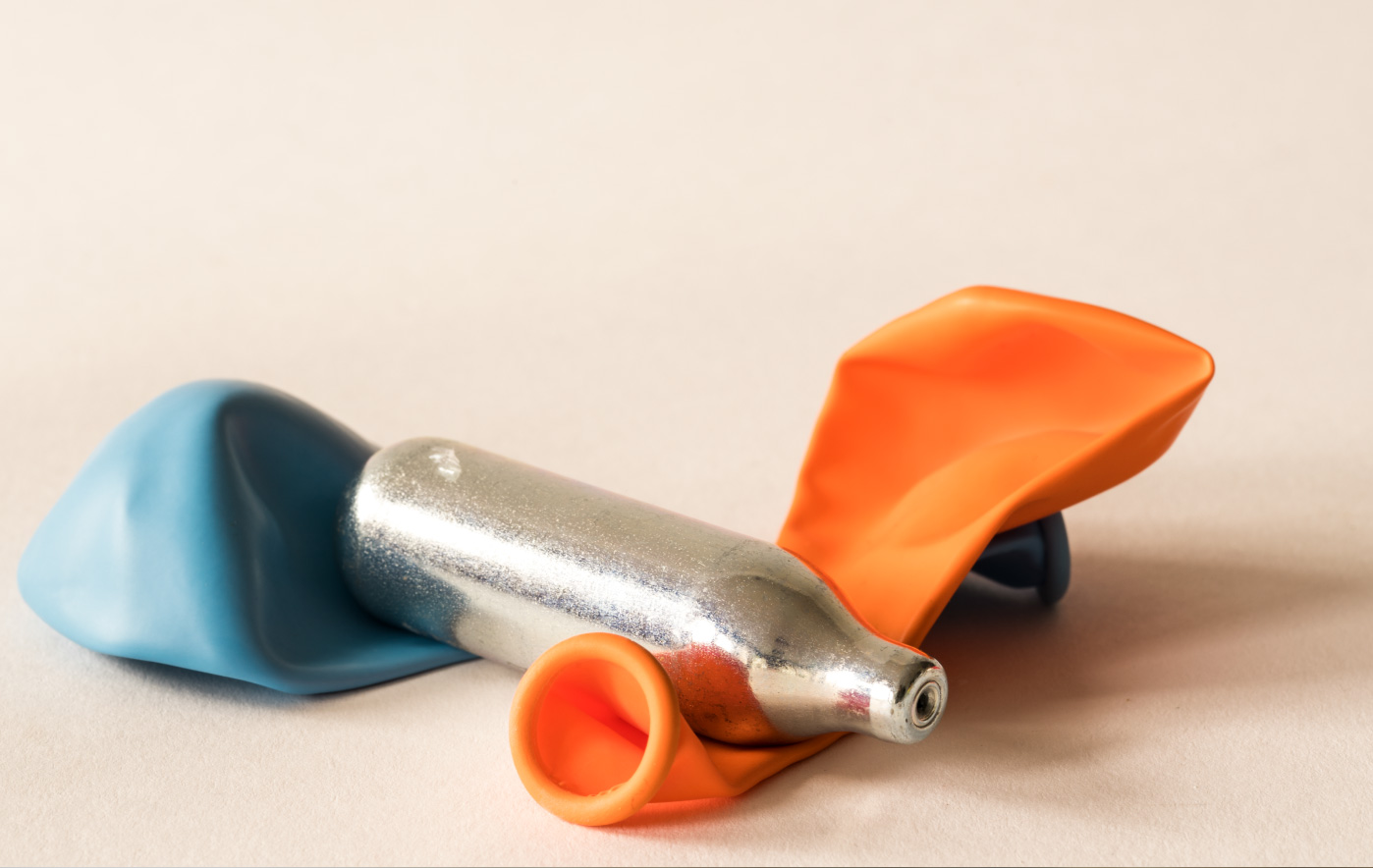
Small aluminum nitrous oxide cartridges have traditionally been used as a propellant for whipped cream and other culinary applications. Larger canisters containing nitrous oxide are also marketed for legitimate commercial purposes.
However, these products can be misused by individuals seeking the short-lived effects produced by inhaling nitrous oxide.
The U.S. Food and Drug Administration has warned consumers not to inhale nitrous oxide products from canisters, tanks, or chargers because intentional inhalation can result in serious adverse health effects, including neurological problems, oxygen deprivation, loss of consciousness, paralysis, and death.
Balloons and Nitrous Oxide
Balloons have also been used to facilitate recreational nitrous oxide inhalation. The gas may be released from a cartridge or canister into a balloon and subsequently inhaled.
The use of a balloon can make nitrous oxide appear less dangerous than it actually is. A balloon does not make the gas safe to inhale, and repeated exposure can result in serious medical complications.
Nitrous oxide misuse has been associated with vitamin B12 deficiency, numbness and weakness, difficulty walking, neurological damage, loss of consciousness, and other potentially severe injuries. In some cases, prolonged neurological effects may continue even after a person stops using nitrous oxide.
Why the Method of Use Matters
Understanding how nitrous oxide was packaged, obtained, and used can be important when investigating an injury claim.
Evidence may include:
- The specific nitrous oxide product involved
- The size and type of canister or charger
- Product packaging and labeling
- Advertisements and marketing materials
- Where the product was purchased
- Online purchase records
- Photographs of the product
- Warnings or instructions provided with the product
- Medical records documenting the resulting injuries
If you or someone you love suffered serious injuries after inhaling nitrous oxide, preserving the product, packaging, receipts, photographs, and other information may help an attorney investigate the circumstances surrounding the injury.
Alonso Krangle LLP is investigating potential claims involving injuries associated with the misuse and inhalation of nitrous oxide products. Contact the firm today for a free, confidential case evaluation.
What Happens When Nitrous Oxide Is Misused?
When inhaled recreationally, nitrous oxide can temporarily affect the central nervous system and produce feelings of euphoria, relaxation, dizziness, or altered perception.
Because the effects can wear off quickly, some users may repeatedly inhale the gas in an attempt to maintain the sensation. Repeated exposure can increase the risk of serious injury.
Nitrous oxide misuse may result in oxygen deprivation and can interfere with the body's ability to properly use vitamin B12. Prolonged or excessive exposure has been associated with neurological and other physical complications.
Potential Injuries Associated With Nitrous Oxide Abuse
The consequences of nitrous oxide misuse can range from short-term symptoms to severe, lasting injuries.
Potential complications may include:
Brain and Neurological Injuries
Nitrous oxide exposure can affect the nervous system. In serious cases, individuals may experience neurological impairment, cognitive difficulties, confusion, or other changes affecting normal brain function.
Nerve Damage and Neuropathy
Nitrous oxide misuse has been associated with damage to the peripheral nervous system. Symptoms can include:
- Numbness or tingling
- Weakness in the arms or legs
- Loss of sensation
- Difficulty maintaining balance
- Problems walking
- Muscle weakness
- Impaired coordination
In severe cases, neurological damage may be long-lasting or permanent.
Vitamin B12 Deficiency
Repeated exposure to nitrous oxide can interfere with vitamin B12 activity in the body. A resulting deficiency can contribute to neurological problems and other health complications.
Some individuals may develop symptoms that continue even after they stop using nitrous oxide and require medical treatment or rehabilitation.
Hypoxia and Oxygen Deprivation
Inhaling nitrous oxide can reduce the amount of oxygen available to the body. Significant oxygen deprivation can affect the brain and other organs and may result in loss of consciousness, permanent injury, or death.
Cardiovascular Complications
Nitrous oxide misuse may also place stress on the cardiovascular system. Depending on the circumstances, individuals may experience changes in heart rate, blood pressure abnormalities, or other potentially serious complications.
Burns and Cold Injuries
Nitrous oxide is stored under pressure. Direct exposure to the rapidly expanding gas can produce extremely cold temperatures, potentially causing frostbite or other injuries to the mouth, lips, throat, skin, or surrounding tissue.
Falls, Crashes, and Other Accidents
The dizziness, impaired coordination, altered perception, and reduced judgment associated with nitrous oxide misuse can increase the risk of accidents.
An individual may suffer injuries from a fall, motor vehicle collision, or another accident occurring while impaired.
Addiction and Dependency
Repeated recreational use can develop into a pattern of compulsive use. Some individuals may find themselves using nitrous oxide more frequently despite experiencing negative physical, emotional, financial, or social consequences.
Serious Injury or Death
In severe circumstances, nitrous oxide misuse may contribute to catastrophic injury or death, particularly when substantial oxygen deprivation, accidents, or other complications occur.
Who May Be Responsible for a Nitrous Oxide Injury?
A nitrous oxide injury case can involve complicated questions about who manufactured, distributed, marketed, or sold the product.
Depending on the circumstances, potential defendants may include:
- Product manufacturers
- Distributors
- Retailers
- Wholesalers
- Online sellers
- Companies involved in product marketing
- Other parties involved in the product's distribution or sale
A legal claim may depend on the specific facts surrounding the product, the manner in which it was marketed or sold, the warnings provided, and the nature of the resulting injury.
An investigation may also examine whether a company knew, or should have known, that its product was being routinely misused and whether adequate warnings or safeguards were provided.
Were Nitrous Oxide Products Marketed or Sold for Recreational Use?
One issue that may be important in litigation involving nitrous oxide products is how the products were marketed, distributed, and sold.
Products can have legitimate commercial uses while still presenting significant risks when companies know that consumers are using them in another manner.
Questions that may be relevant to a potential claim include:
- How was the product marketed?
- Where was the product sold?
- Were warnings provided?
- Were the risks of recreational inhalation adequately disclosed?
- Did the manufacturer or seller know the product was being inhaled recreationally?
- Were products sold through channels associated with recreational drug use?
- Did the company take reasonable steps to address foreseeable misuse?
- Were consumers adequately informed about potential neurological or other health risks?
These questions can require a detailed investigation of the product, marketing materials, sales practices, warnings, medical records, and other evidence.
What Damages Can a Nitrous Oxide Injury Claim Seek?
When a person suffers serious injuries, the consequences can extend far beyond the initial medical treatment.
Depending on the facts of the case and applicable law, a claim may seek compensation for damages such as:
- Medical expenses
- Future medical treatment
- Rehabilitation
- Lost wages
- Reduced earning capacity
- Physical pain and suffering
- Emotional distress
- Disability
- Loss of enjoyment of life
- Other damages allowed by law
If a nitrous oxide-related injury results in death, surviving family members may also have potential wrongful death claims depending on the circumstances and applicable state law.
Nitrous Oxide Wrongful Death Claims
Families can be devastated when a loved one dies following nitrous oxide misuse.
A wrongful death investigation may examine the circumstances surrounding the death, including the product involved, where it was purchased, how it was marketed, available warnings, and whether other parties may bear legal responsibility.
Potential damages in a wrongful death case can vary by jurisdiction and circumstances but may include certain financial losses, funeral and burial expenses, loss of financial support, and loss of companionship.
What Should I Do If I Was Injured by Nitrous Oxide?
If you believe you suffered an injury associated with nitrous oxide, preserving information about the product and your medical treatment may be important.
Consider keeping:
- The nitrous oxide canister or packaging, if available
- Photographs of the product
- Receipts or purchase records
- Online order confirmations
- Screenshots of advertisements or product listings
- Medical records
- Hospital and emergency room records
- Prescription information
- Rehabilitation records
- Documentation of missed work
- Information about where and when the product was purchased
Do not throw away the product or packaging if you still have it. It may contain information that could be relevant to an investigation.
Why Choose Alonso Krangle LLP?
Alonso Krangle LLP represents individuals and families dealing with serious injuries involving defective products, dangerous drugs, and other forms of personal injury.
The firm's approach is focused on investigating what happened, identifying potentially responsible parties, and pursuing the compensation available under the law.
Product liability cases can involve manufacturers, distributors, retailers, insurance companies, and other parties. These cases may also require extensive evidence concerning the product's design, warnings, marketing, distribution, and potential risks.
If you or a family member suffered serious injuries that you believe may be connected to nitrous oxide, speaking with an attorney can help you understand your potential legal options.
Contact Alonso Krangle LLP Today
If you or someone you love has suffered an injury after using nitrous oxide, whippets, whip-its, or another nitrous oxide product, you may have a potential legal claim.
Do not assume that nothing can be done.
Alonso Krangle LLP can review the circumstances of your case and determine whether there may be a basis for pursuing compensation.
Free, Confidential Case Review
Contact Alonso Krangle LLP today to discuss your potential nitrous oxide injury claim.
Call 1-800-403-6191 or complete our online case evaluation form.
"Whippets" or "whip-its" is a common term for small nitrous oxide cartridges. These cartridges are generally manufactured for legitimate purposes such as use with whipped cream dispensers, but some are misused by inhaling the gas for its intoxicating effects.
Contact Alonso Krangle LLP
If you or a loved one has suffered serious injuries that may be connected to nitrous oxide abuse, contact Alonso Krangle LLP for a free and confidential consultation.
Call 800-403-6191 today.
Speak with An Attorney
Submit This Form or Call 800-403-6191