

Common Injuries Caused by Nursing Home Abuse and Neglect
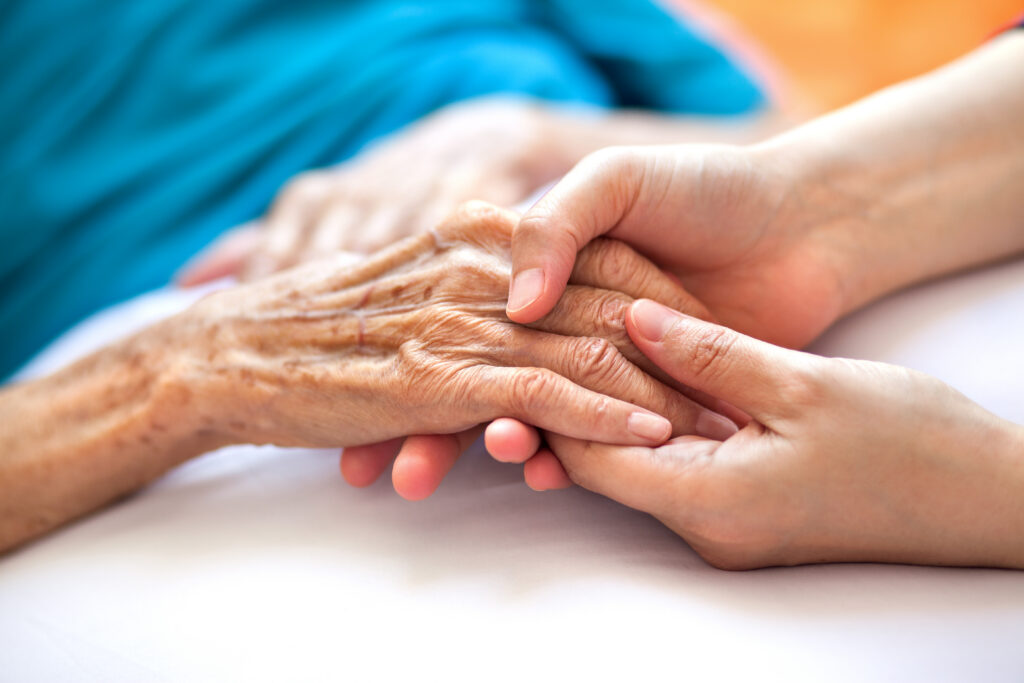
Families often place an older loved one in a nursing home because they need more care and support than they can safely receive at home. They expect staff members to provide appropriate medical care, assistance, food, medication, and supervision. Unfortunately, that care does not always meet the expected standard.
Nursing home abuse and neglect can cause serious injuries. Some injuries may happen suddenly, while others develop slowly after a resident’s needs go unaddressed. In some cases, the first sign that something is wrong may be an unexplained bruise, a sudden change in health, or a wound that does not seem to have an obvious cause. Recognizing common nursing home injuries can help families identify potential problems and take action when a loved one may not be receiving appropriate care.
What Is Nursing Home Abuse and Neglect?
Nursing home abuse involves intentional harm or mistreatment of a resident. It can be physical, emotional, sexual, or financial. Neglect is different. It may involve failing to provide the care a resident needs. This can include failing to provide adequate food and water, ignoring medical needs, failing to help with personal care, or not taking reasonable steps to prevent foreseeable injuries. Both abuse and neglect can have serious consequences. Residents who are elderly or have limited mobility may also be particularly vulnerable because they may depend on staff members for many basic activities throughout the day.
Falls and Fractures
Falls are among the most common causes of serious injuries among older adults. A nursing home resident may be especially vulnerable if they have difficulty walking, use a wheelchair, take medications that affect balance, or have other health conditions. A fall can result in a relatively minor injury, but it can also cause a broken hip, wrist fracture, spinal injury, or head trauma.
Not every fall means a nursing home was negligent. However, repeated falls may raise questions about whether the facility recognized the resident’s risk and took appropriate precautions. For example, a facility may need to provide appropriate assistance, mobility devices, supervision, or other safety measures based on a resident’s needs.
Bedsores and Pressure Injuries
Bedsores, also called pressure ulcers or pressure injuries, can develop when a person remains in the same position for an extended period. Residents with limited mobility may be particularly vulnerable. They may need assistance changing positions, moving in bed, or using specialized equipment.
Early pressure injuries can appear as areas of redness or discoloration. Without appropriate treatment, they can become open wounds and may lead to infection or damage to deeper tissue. A serious pressure injury can be painful and difficult to treat. In severe cases, it may require hospitalization, surgery, or long-term medical care.
When a resident develops a serious pressure injury, families may want to understand whether appropriate preventive measures and treatment were provided.
Malnutrition and Dehydration
Older adults may also suffer serious harm when they do not receive enough food or fluids. Some residents may need assistance eating or drinking. Others may have difficulty communicating that they are hungry or thirsty. Residents with certain medical conditions may also require specific diets or fluid restrictions. Failure to meet those needs can contribute to dehydration, weakness, confusion, infections, and other health problems. Severe malnutrition can also interfere with wound healing. This can make existing injuries, including pressure ulcers, even more difficult to treat.
Medication-Related Injuries
Many nursing home residents take multiple medications. Staff members may be responsible for administering those medications according to a doctor’s orders. Medication errors can have serious consequences. A resident may receive the wrong medication, the wrong dose, or a medication at the wrong time. A medication may also be missed entirely.
Depending on the drug involved, an error can cause dizziness, confusion, bleeding, dangerous changes in blood pressure, or other serious complications. Medication-related injuries may require emergency treatment or hospitalization. When a medication error occurs, medical records and medication administration records may help determine what happened.
Head and Brain Injuries
A head injury can occur after a fall, physical assault, or other accident. For an older adult, even a fall that initially appears minor can have serious consequences. A resident may suffer a concussion, traumatic brain injury, or internal bleeding. Warning signs can include confusion, unusual sleepiness, changes in behavior, headaches, vomiting, difficulty speaking, or loss of consciousness.
Families should seek immediate medical attention when they suspect that a loved one has suffered a serious head injury. If the injury occurred under circumstances that suggest inadequate supervision, unsafe conditions, or possible abuse, those circumstances may also need to be investigated.
Bruises, Cuts, and Other Unexplained Injuries
Unexplained injuries can be especially concerning when a resident cannot clearly explain how they happened. Bruises may occur for many reasons. Older adults can bruise more easily because of medications, fragile skin, or underlying health conditions.
However, repeated or unusual bruising, cuts, burns, or other injuries should not automatically be dismissed. Families may want to ask the facility when and how the injury occurred and whether it was documented. If the explanation does not make sense or injuries continue to appear, further investigation may be appropriate.
Infections and Untreated Medical Conditions
Neglect can sometimes cause harm that is less obvious than a broken bone or visible wound. A resident may develop an infection because an injury was not properly treated or because basic hygiene and medical needs were overlooked. Untreated infections can become serious, particularly in older adults.
A facility may also fail to recognize changes in a resident’s condition or delay contacting a doctor when medical attention is needed. When a health problem becomes significantly worse because appropriate care was not provided, families may have questions about whether the deterioration could have been prevented.
Injuries From Improper Transfers or Restraints
Some nursing home residents require assistance getting in and out of bed, moving to a wheelchair, or using the bathroom. Improper transfers can cause falls, fractures, strains, dislocations, and other injuries. In addition, improper use of restraints can result in physical and emotional harm. Restraints should not be used simply as a substitute for appropriate care or supervision.
When a resident suffers an injury during a transfer or while being restrained, it may be important to determine what happened and whether appropriate procedures were followed.
What Should Families Do If They Suspect Abuse or Neglect?
Families may notice changes before they know exactly what caused them. A loved one may suddenly have unexplained injuries, lose weight, become withdrawn, or develop health problems that seem inconsistent with the care they are supposed to receive. If you are concerned about a loved one’s condition, consider documenting what you observe.
Keep copies of medical records, photographs of visible injuries, notes about conversations with facility staff, and information about medical treatment. Write down dates and details while they are still fresh.
If your loved one is in immediate danger or needs urgent medical care, address those needs first. Families can also report suspected abuse or neglect to the appropriate authorities. The specific reporting process depends on the circumstances and location.
When Could Nursing Home Neglect Lead to a Legal Claim?
Not every injury suffered in a nursing home is the result of abuse or neglect. Residents can experience medical conditions, falls, and other injuries even when appropriate care is provided. A potential legal claim may depend on whether the facility or its employees failed to provide appropriate care and whether that failure caused or contributed to the resident’s injury.
Medical records, facility records, photographs, witness statements, and other documentation may help establish what happened. An attorney can review the circumstances and help a family understand whether there may be grounds for a personal injury or nursing home abuse claim.
Alonso Krangle Fight for Victims of Nursing Home Abuse
Discovering that a loved one may have suffered an injury because of nursing home abuse or neglect can be overwhelming. Families may have questions about what happened, who may be responsible, and what steps they can take to protect their loved one. Alonso Krangle represents injured individuals and their families throughout New York, including Long Island, Nassau County, Suffolk County, and Queens. The firm can review the circumstances surrounding a nursing home injury and explain what legal options may be available. If you believe a loved one has been harmed by nursing home abuse or neglect, contact Alonso Krangle for a free consultation and a confidential conversation about your rights. Call us at 800-403-6191 or contact us online.
Speak with An Attorney
Submit This Form or Call 800-403-6191