

Animal Bites and Attacks in New York: Who Can Be Held Responsible?
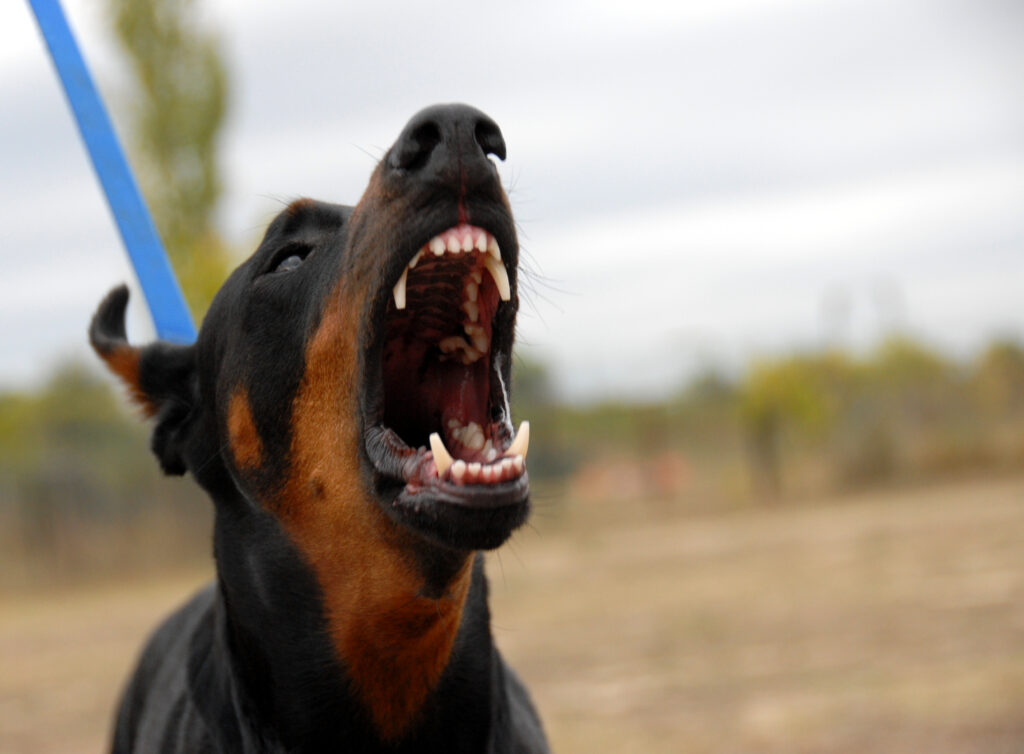
Animal attacks can happen in many different settings. A person may suffer injuries from a dog at a neighbor’s home, a cat while visiting someone’s property, a horse on a farm, or an exotic or wild animal kept by an individual or business. Even an animal that has never attacked anyone before can cause serious injuries when its owner or another responsible party fails to control or safely manage it.
For people injured in these situations, an important question often follows: Who can be held responsible for an animal bite or attack in New York?
The answer depends on the type of animal, what happened before the attack, who controlled the animal, and whether someone acted negligently. New York law now allows injured people to pursue certain animal-injury claims under both strict-liability and ordinary-negligence theories, making it important to examine the specific circumstances of each case.
When Can an Animal Owner Be Held Responsible?
New York law recognizes different ways an injured person may establish liability after an animal causes harm. In 2025, the New York Court of Appeals changed the state’s approach to domestic-animal injury cases in Flanders v. Goodfellow. The court held that an injured person may pursue a strict-liability claim, a negligence claim, or both.
A strict-liability claim generally focuses on whether the owner knew or should have known about the animal’s vicious propensities. Evidence of a previous attack or other aggressive behavior may help establish that knowledge.
A negligence claim looks at whether someone failed to use reasonable care. For example, an owner might act negligently by allowing an animal to roam freely, failing to properly restrain it, or ignoring circumstances that created a foreseeable risk of injury.
These theories can apply differently depending on the animal and the facts of the case, so an injured person should not assume that a claim is unavailable simply because the animal had never bitten anyone before.
Who May Be Responsible for an Animal Attack?
The animal’s owner is often the first person an injured victim considers, but the owner may not be the only potentially responsible party.
In some situations, another person had custody or control of the animal when the attack occurred. A landlord may also face liability when a tenant’s animal injures someone, although specific requirements apply to landlord claims. New York courts have recognized that an injured person may pursue claims against a landlord in appropriate circumstances, including situations involving the landlord’s knowledge of an animal on the property and the landlord’s ability to control the premises.
Businesses and other organizations can also become part of an injury claim when they keep, control, or are responsible for an animal that causes harm. The facts surrounding the animal, the property, and the person’s relationship to the animal all matter when determining who may have legal responsibility.
What Types of Animals Can Cause Serious Injuries?
Dogs account for many animal-bite cases, but they are not the only animals that can injure people. Cats, horses, livestock, and exotic or wild animals can also cause significant physical harm.
New York has specific laws addressing dangerous dogs. For example, state law establishes procedures for reporting attacks or threatened attacks and allows courts to impose restrictions when a dog meets the statutory definition of a dangerous dog.
The law also specifically addresses wild animals and reptiles. New York Agriculture and Markets Law § 370 makes it an offense for someone who owns, possesses, or harbors a wild animal or reptile capable of causing bodily harm to fail to exercise due care in protecting the public from an attack.
Because different laws may apply to different animals, identifying the type of animal and the circumstances surrounding the attack can play an important role in evaluating a potential claim.
What Injuries Can an Animal Attack Cause?
Animal attacks can cause much more than minor cuts or puncture wounds. Depending on the circumstances, victims may suffer:
- Deep puncture wounds and lacerations
- Nerve or tendon damage
- Broken bones
- Infections
- Facial injuries and permanent scarring
- Loss of function or mobility
- Psychological trauma
- Serious or potentially life-threatening injuries
Some animal exposures also create concerns about rabies. The New York State Department of Health advises people to report animal bites to their county health department, even when the injury appears minor. The department can help determine whether the animal should be observed or tested and whether the injured person needs rabies treatment.
What Should You Do After an Animal Attack?
Seek medical attention as soon as possible after an animal bite or attack, particularly if the wound is deep, bleeding heavily, or showing signs of infection. Follow your healthcare provider’s instructions and keep records of your treatment.
You should also report the incident to the appropriate local authorities or health department when required. If you can do so safely, document the location where the attack occurred, the animal involved, and the circumstances that led to the incident. Photographs of your injuries and the surrounding area may also help preserve evidence.
If someone witnessed the attack, obtain their contact information if possible. Keep copies of medical records, bills, prescriptions, and other documentation related to the injury.
Most importantly, do not assume that an animal attack is simply an unfortunate accident. The circumstances may support a personal injury claim against the person or entity responsible for the animal.
Can You Recover Compensation After an Animal Attack?
A successful animal-injury claim may allow a victim to seek compensation for losses caused by the attack. Depending on the circumstances, those losses can include medical expenses, lost income, pain and suffering, scarring, disability, and other damages.
New York’s current law gives injured people more than one potential path to establish liability in domestic-animal cases. That makes a careful review of the facts especially important when an owner, property owner, or another party disputes responsibility.
Alonso Krangle Fight for Victims After an Animal Bite
An animal bite or attack can leave you dealing with painful injuries, medical bills, lost income, and lasting physical or emotional effects. If someone else’s animal injured you in New York, an attorney can review what happened, identify potentially responsible parties, and explain your legal options. Alonso Krangle represents injured people throughout New York, including Long Island, Nassau County, Suffolk County, and Queens. Contact the firm for a free consultation and confidential case evaluation by calling 800-403-6191 or contact us online.
Speak with An Attorney
Submit This Form or Call 800-403-6191